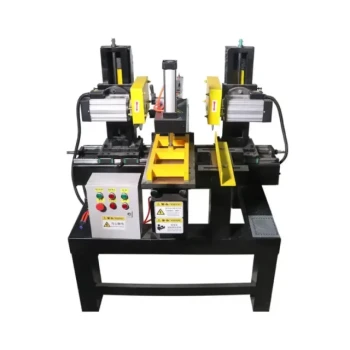
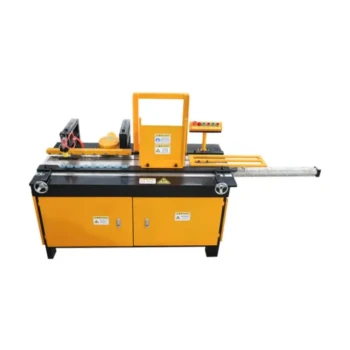
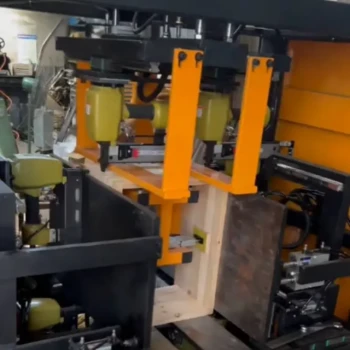
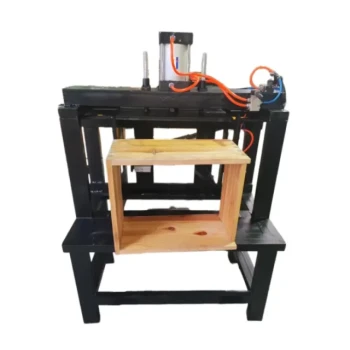
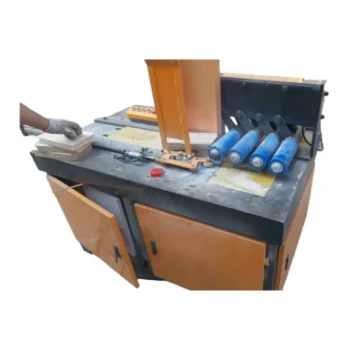
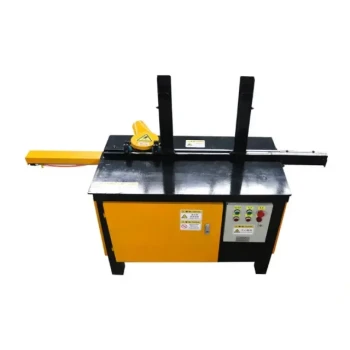
Precision woodworking machinery is the critical enabler of modern standard beekeeping because it ensures every hive component is manufactured to strict dimensional tolerances derived from the "bee space" principle. By guaranteeing these exact measurements, the machinery prevents bees from rejecting the hive structure—avoiding the creation of burr comb or excessive propolis—and ensures that parts like frames, bodies, and covers are fully interchangeable.
The Core Insight The value of precision machinery lies in its ability to reconcile industrial efficiency with biological reality. It translates the natural "bee space" requirement (typically 6mm–9mm) into a reproducible mechanical standard, creating a uniform hardware ecosystem that supports rapid assembly, disease control, and commercial scalability.
The Biological Necessity: Respecting "Bee Space"
The primary function of precision machinery is not just cutting wood, but strictly adhering to the biological requirements of the honeybee.
Enforcing the Bee Space Principle
Bees are instinctual architects. If a gap in the hive is too large, they build burr comb; if it is too small, they seal it with propolis.
Precision machinery ensures that the internal dimensions between frames and hive walls fall exactly within the "bee space." This keeps the hive manageable and prevents the colony from gluing components together, which would make inspections nearly impossible.
Optimizing Colony Health and Energy
Standardized structures produced by high-precision equipment offer superior sealing, insulation, and ventilation compared to rough-hewn or natural cavities.
By reducing drafts and thermal inconsistencies, the colony expends less energy regulating nest temperature. This allows bees to redirect their energy toward collecting pollen and nectar, ultimately boosting hive productivity.
Reducing Disease Transmission
Precision manufacturing creates smooth, uniform surfaces that are easier to clean and inspect.
Because components are standardized, frames can be easily swapped or replaced for quarantine purposes. This interchangeability improves the efficiency of disease monitoring and reduces the risk of transmission between colonies.
Operational Efficiency and Scalability
Beyond biology, precision machinery is the prerequisite for scaling beekeeping from a hobby to an industrial operation.
Total Interchangeability of Parts
In a large apiary, a beekeeper must be able to take a frame from Hive A and place it into Hive B without friction.
Industrial woodworking machinery ensures that bottom boards, hive bodies, frames, and covers are physically consistent. This simplifies management tasks such as colony splitting, merging, and replacing damaged hardware without custom fitting.
Enabling Automation and Modernization
Modern intensive management relies on equipment that interacts seamlessly with other machines.
The high physical consistency of hive bodies and frames allows for the use of automated honey-harvesting equipment. Without the tight tolerances provided by CNC milling and standardized molds, automation would jam or damage the combs.
Streamlining Migratory Logistics
For commercial pollination services, hives must be transported across regions.
Uniform dimensions ensure compatibility for stacking and palletizing, stabilizing loads during transport. This reduces mechanical loss of colonies during migration and overwintering, protecting the beekeeper's livestock assets.
Understanding the Trade-offs
While precision machinery is essential for standardization, it introduces specific dependencies that operators must recognize.
The Rigidity of Standardization
High-precision manufacturing locks beekeepers into specific standards (such as Langstroth dimensions). While this ensures compatibility, it limits the flexibility to adapt equipment to unique local micro-climates or experimental management styles without investing in custom tooling.
The Maintenance of Precision
The output is only as good as the machine's calibration. If industrial machinery drifts even slightly out of tolerance, thousands of components may be produced that violate the bee space. This results in "standardized" equipment that fails biologically, leading to massive operational headaches across an apiary.
Making the Right Choice for Your Goal
Precision machinery has transformed beekeeping from a craft into an industry. Your approach to this equipment should depend on your operational scale.
- If your primary focus is Commercial Scalability: Prioritize machinery or suppliers that guarantee strict adherence to the bee space to ensure compatibility with automated harvesting lines and migratory transport.
- If your primary focus is Colony Health: Ensure your equipment manufacturing process creates tight seals and proper ventilation to minimize the energy stress on your bees during overwintering.
- If your primary focus is Operational Efficiency: Rely on precision-cut components to eliminate the time wasted scraping burr comb and propolis during routine inspections.
Ultimately, precision woodworking machinery does not just build boxes; it creates a predictable, biologically optimized infrastructure that allows beekeepers to manage thousands of colonies as efficiently as a single hive.
Summary Table:
| Feature | Precision Machinery Impact | Biological & Operational Benefit |
|---|---|---|
| Bee Space Accuracy | Maintains 6mm–9mm tolerances | Prevents burr comb and propolis buildup |
| Interchangeability | Identical component dimensions | Enables rapid colony splitting and part replacement |
| Surface Finish | Smooth, uniform milling | Easier disease monitoring and hive sanitation |
| Structural Seal | Tight-fitting joints | Improved insulation and energy efficiency for bees |
| Logistics Ready | Consistent external sizing | Optimized for palletizing and migratory transport |
Elevate Your Apiary with Industrial-Grade Precision
At HONESTBEE, we understand that in commercial beekeeping, a millimeter can be the difference between a productive colony and an operational nightmare. We specialize in empowering commercial apiaries and distributors with the high-performance tools and machinery needed to achieve true standardization.
Our comprehensive wholesale portfolio includes:
- Advanced Machinery: Precision hive-making and automated honey-filling machines.
- Professional Hardware: Standardized beekeeping tools and durable equipment built for scale.
- Essential Consumables: A wide array of industry-standard supplies to keep your operations running.
Whether you are scaling your honey production or supplying the next generation of beekeepers, HONESTBEE provides the technical edge you need. Contact us today to explore our wholesale solutions and see how our expertise in precision equipment can optimize your productivity.
References
- Jesús Froylán Martínez-Puc, Basu Saikat-Kumar. Caracterización de la actividad apícola en los principales municipios productores de miel en Campeche, México. DOI: 10.36610/j.jsaas.2018.050100044
This article is also based on technical information from HonestBee Knowledge Base .
Related Products
- Beehive Machine Double End Saw for Precision Hive Component Manufacturing
- Beehive Handle and Frame Rest Cutting Machine: Your Specialized Hive Machine
- HONESTBEE Top Bar & Bottom Bar Forming Machine | Bee Frame Machine
- HONESTBEE Professional Long Handled Hive Tool with Precision Cutting Blade
- Beeswax Machine Press Embosser Wax Foundation Mold Printer Bee Hive Equipment Making Sheet
People Also Ask
- How does beehive manufacturing machinery benefit large-scale commercial beekeeping? Scale Your Apiary Efficiency
- Why is professional beehive manufacturing machinery essential for raw honey quality? Precision for Commercial Success.
- What are the operational advantages of specialized beehive manufacturing machinery for expanding commercial apiaries?
- What is the significance of specialized beehive manufacturing machinery? Drive Scalability for Commercial Apiaries
- What is the significance of professional beehive manufacturing machinery? Boost Competitiveness in Commercial Beekeeping