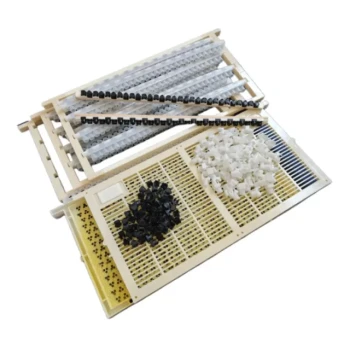
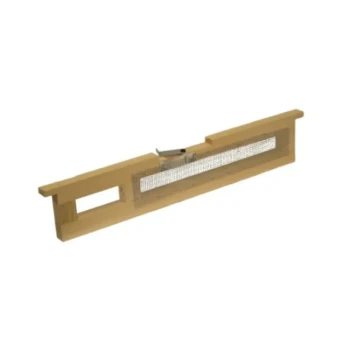
The queen bee functions as the central production unit of the colony, directly dictating egg-laying rates and overall hive control. Professional artificial queen rearing is necessary in modern commercial beekeeping because it replaces biological uncertainty with predictable performance, using precise environmental controls and parental selection to ensure high honey yields and prevent colony collapse.
By shifting from natural replacement to controlled rearing, beekeepers transform the biological risk of an aging queen into a managed, scheduled process that guarantees genetic superiority and operational continuity.
The Direct Link Between Genetics and Yield
The Engine of the Colony
The queen is the single point of failure for a hive. Her performance as the central production unit determines the population size of the worker bees.
Without a strong population, a colony cannot effectively forage or produce honey. Therefore, the queen's biological vigor is the primary driver of commercial output.
Optimizing Egg-Laying Rates
Natural queens vary wildly in their reproductive capacity. Professional rearing ensures that every new queen has high egg-laying rates.
This consistency allows the colony to scale up its population rapidly to meet the demands of honey flow seasons.
Superior Genetic Traits
Artificial rearing utilizes parental selection to isolate specific, desirable characteristics.
Instead of leaving genetics to chance, breeders select for traits such as disease resistance, calmness, or maximum honey production. This results in stock that is genetically superior to what occurs in a wild mating scenario.
Operational Stability in Commercial Apiaries
Precise Environmental Control
Rearing high-quality queens requires an optimized environment during development. Professional processes use precise environmental controls to nurture queen cells.
This ensures that the developing queens are not stressed by temperature fluctuations or nutritional deficits, resulting in physically stronger adults.
Timely Replacement Strategy
In a commercial setting, waiting for a queen to fail naturally is too costly. Aging or weak queens lead to rapid colony decline.
Artificial rearing provides a consistent supply of stock, allowing beekeepers to proactively replace queens before their performance drops. This maintains a flat, high baseline of production across the entire apiary.
Compatibility with Modern Standardization
Modern beekeeping relies on standardization, much like the industrial machinery used to mass-produce durable hive components.
Just as standardized frames and automated harvesting equipment improve logistics, "standardized" high-quality queens ensure that the biological side of the operation keeps pace with the mechanical side. A stable biological environment is required to maximize the efficiency of migratory beekeeping and pollination services.
Understanding the Trade-offs
Technical Complexity
Artificial rearing is not a passive activity; it requires a high level of technical skill and strict adherence to schedules. Errors in environmental control can lead to batch failures or inferior queens.
Genetic Diversity Risks
While selecting for specific traits improves yield, aggressive parental selection can narrow the gene pool.
Over-reliance on a few genetic lines may reduce the apiary's long-term resilience to new pests or environmental changes if diversity is not actively managed.
Making the Right Choice for Your Operation
To maintain a profitable commercial apiary, you must align your queen management strategy with your production goals.
- If your primary focus is Maximum Honey Yield: Prioritize queens selected specifically for high egg-laying rates to ensure maximum foraging workforce during peak flows.
- If your primary focus is Operational Stability: Implement a strict schedule for timely replacement to prevent the productivity dips associated with aging queens.
Treating queen rearing as a precise technical process is the only way to ensure the consistent, high-volume results required by the modern industry.
Summary Table:
| Key Feature | Natural Replacement | Professional Artificial Rearing |
|---|---|---|
| Genetic Selection | Random / Biological Chance | Targeted Parental Selection (Yield/Disease Resistance) |
| Production Timing | Unpredictable (Queen Failure) | Scheduled and Proactive Replacement |
| Population Control | Variable Egg-Laying Rates | Consistent, High Egg-Laying Rates |
| Environmental Risk | High (Weather/Nutrition Stress) | Low (Precise Environmental Control) |
| Yield Potential | Fluctuating and Uncertain | Maximized and Standardized |
Scale Your Apiary Operations with HONESTBEE Precision
Maintaining a high-performance apiary requires more than just biological expertise; it requires the right infrastructure. HONESTBEE empowers commercial apiaries and distributors with a comprehensive range of professional beekeeping tools and machinery.
From specialized hive-making and honey-filling machines to essential industry consumables and honey-themed cultural merchandise, we provide the hardware necessary to support a standardized, high-yield operation. Whether you are looking to optimize your production line or supply the best equipment to the market, our wholesale offerings are designed to meet your specific needs.
Ready to elevate your honey production and operational efficiency? Contact us today to explore our full equipment catalog!
References
- Ersin Karakaya, Osman TOPLUK. Determination of the Factors Affecting the Honey Production Per Coloney in Bingöl Beekeeping Enterprises. DOI: 10.29133/yyutbd.1272465
This article is also based on technical information from HonestBee Knowledge Base .
Related Products
- Professional Multi-Functional Queen Bee Cage
- Queen Bee Artificial Insemination Instrument Equipment for Instrumental Insemination
- Professional Queen Bee Introduction and Transport Cage
- No Grafting Queen Rearing Kit: System for Royal Jelly Production and Queen Rearing
- Professional Wooden Requeening Frame for Beekeeping
People Also Ask
- Why are specialized queen bee cages used for the banking of mated queen bees? Maximize Commercial Apiary Storage Efficiency
- What is the mechanism of action for using temporary queen bee cages? Master Successful Queen Introduction
- What technical precaution must be taken regarding the mesh or grill side of a queen bee cage? Ensure Queen Survival
- What is the step-by-step process for installing a queen bee's cage onto a frame? Ensure Hive Acceptance Safely
- How is a queen bee released from a queen cage? Ensure Safe Colony Integration & Hive Success