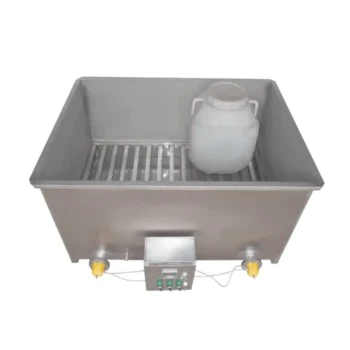
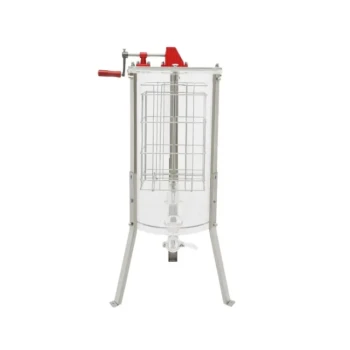
Professional Honey Processing Equipment is the bridge between raw harvest and a viable commercial commodity. It is necessary because it standardizes the product through controlled filtration and dehydration. This machinery removes physical impurities and regulates moisture levels while preserving the active enzymes and nutrients required to maintain market value.
By stabilizing moisture content and ensuring physical purity, professional equipment allows producers to meet international food safety regulations. It transforms variable raw honey into a consistent, shelf-stable product suitable for high-end retail and export markets.
Transforming Raw Material into Market Value
To commercialize honey effectively, you must move beyond simple extraction. Professional equipment is the only reliable way to enhance the product's value while ensuring it survives the supply chain.
Precision Moisture Control
Raw honey often contains varying moisture levels depending on the harvest conditions. Professional dehydration equipment regulates this specifically to prevent fermentation and spoilage.
By stabilizing the moisture content, the equipment ensures the honey remains chemically stable. This prevents quality stratification and creates the consistency required for long-term storage and distribution.
Enhancing Purity and Aesthetics
Market value is heavily influenced by visual clarity. Filtration systems, such as centrifuges and precision filters, remove wax, larvae, and pollen clusters.
This process improves the honey's transparency and color, meeting strict commercial grading standards. Furthermore, removing micro-impurities helps delay crystallization, a critical factor for maintaining shelf appeal in retail environments.
Preservation of Bioactive Components
Crucially, professional equipment is designed to balance purification with preservation. Unlike crude heating methods, modern machinery uses controlled processing to retain active enzymes and nutritional content.
This allows the final product to be marketed as a premium health food rather than just a sweetener. Preserving these biochemical properties is often a requirement for entering high-value international markets.
Ensuring Safety and Standardization
Commercialization requires adherence to strict hygiene and safety protocols. Professional equipment replaces manual variability with industrial certainty.
Eliminating Contamination Risks
Manual handling and traditional squeezing methods introduce significant hygiene risks. Industrial-grade machinery creates a closed loop, significantly reducing the chance of secondary contamination.
From filtration to filling, the process limits human contact with the product. This creates a sanitary environment essential for meeting food safety certifications.
High-Precision Filling and Packaging
The commercialization process ends with packaging. High-efficiency filling machinery manages the unique viscosity of honey to ensure precise quantitative measurement.
These machines provide airtight sealing, which prevents moisture absorption during transport. This step is vital for protecting the product's integrity and extending its shelf life significantly compared to manual packaging.
Common Pitfalls to Avoid
While equipment is necessary, how it is utilized defines the quality of the end product.
The Risk of Over-Processing
The goal of professional processing is "controlled" filtration, not sterilization. Aggressive filtration can strip honey of its unique flavor profiles and botanical markers.
Balancing Heat and Enzymes
Dehydration requires heat, but excessive temperature destroys the very enzymes you are trying to sell. Professional equipment must be calibrated to remove moisture without spiking HMF (Hydroxymethylfurfural) levels, which indicates heat damage and lowers quality.
Making the Right Choice for Your Goal
The type of equipment you prioritize should depend on your specific commercial objectives.
- If your primary focus is Export and Premium Markets: Prioritize equipment with advanced temperature controls and precision filtration to ensure enzyme preservation and strict moisture compliance.
- If your primary focus is Mass Retail Distribution: Focus on high-efficiency filling machinery and stabilization technology to maximize throughput, shelf life, and visual consistency.
- If your primary focus is Branding and Shelf Appeal: Invest in filtration systems that enhance clarity and delay crystallization to ensure the product looks pristine in glass packaging.
Professional processing equipment does not just clean honey; it stabilizes it, securing the consistency required to build a trusted brand.
Summary Table:
| Feature | Commercial Benefit | Impact on Honey Quality |
|---|---|---|
| Precision Dehydration | Prevents fermentation & spoilage | Stabilizes moisture levels |
| Advanced Filtration | Enhances clarity & visual appeal | Removes wax, pollen, and impurities |
| Controlled Heating | Preserves bioactive enzymes | Maintains nutritional value and HMF levels |
| Automated Filling | Precise measurement & airtight sealing | Extends shelf life and reduces waste |
| Closed-Loop Systems | Meets food safety certifications | Eliminates secondary contamination risks |
Elevate Your Honey Production with HONESTBEE
At HONESTBEE, we specialize in empowering commercial apiaries and distributors with the professional tools needed to dominate the global market. Whether you require high-precision honey-filling machines, advanced dehydration units, or complete hive-making hardware, our comprehensive wholesale portfolio is designed to ensure your product meets the highest standards of safety and consistency.
Ready to scale your operations? Contact us today to discover how our expert beekeeping machinery and industry consumables can enhance your brand's market value and operational efficiency.
References
- K. Beula, A Anandhy. Beekeeping for Women Empowerment in India: An Overview. DOI: 10.5281/zenodo.3549312
This article is also based on technical information from HonestBee Knowledge Base .
Related Products
- Electric Double Wall Honey Filtering Machine Purifier Equipment for Honey Processing Plant
- 0.5T Capacity Honey Dehumidifier Dryer with Vacuum Heating and Thickening Filtering Machine
- Heavy Duty Stainless Steel Honey Processing Machine Decrystallizing Tank
- Double Wall Honey Heating Stirring Homogenizer Mixing Machine with Various Capacity
- Economy Honey Homogenizer Mixer and Melting Machine for Beekeeping
People Also Ask
- What is the process of filtering honey? A Guide to Clean, Pure, and Market-Ready Honey
- What types of equipment are used in honey filtering? Build an Efficient System for Pure, Marketable Honey
- What is the overall importance of using the right equipment in honey filtering? Boost Quality & Marketability
- What are the benefits of drying honey filtering equipment after use? Protect Your Honey Quality & Equipment Investment
- What role do professional honey harvesting and filtering equipment play in meeting honey market quality standards? Boost ROI