Propolis is both a hive-defense material and a valuable commercial product. Bees use this resinous substance to seal cracks, reduce unwanted airflow, and help limit microbial contamination inside the colony. For commercial apiaries, dedicated propolis screens or collection grids provide a cleaner, more efficient harvest than relying only on manual scraping.
Propolis production benefits hive health because it supports colony hygiene, structural sealing, and microclimate control. The most efficient commercial approach is to install removable propolis traps or grids, then chill and flex them to release clean propolis with minimal disturbance.
Why Propolis Supports Hive Health
It strengthens the colony’s biological defenses
Propolis contains naturally antimicrobial compounds that help bees maintain a more hygienic hive environment. Bees use it to reduce microbial growth around internal surfaces and potential contamination points.
This does not replace sound disease-management practices, but it is an important part of the colony’s natural defense system.
It seals cracks and unwanted openings
Bees apply propolis to gaps in hive walls, frame joints, and other small openings. This creates a resinous seal that helps protect the colony from drafts, moisture movement, and unwanted entry points.
The sealing function also helps maintain a more stable internal hive environment.
It supports microclimate control
By filling unnecessary spaces, propolis helps bees regulate conditions within the hive. A more controlled internal environment supports colony stability, particularly when temperature and humidity fluctuate outside the hive.
Commercial harvesting should therefore collect surplus propolis without removing essential sealing material from critical hive areas.
It contributes to colony hygiene
Bees use propolis as part of their broader sanitation behavior. Its resinous and antimicrobial characteristics help make hive surfaces less favorable to some microorganisms.
The practical objective is selective harvesting: collect propolis from dedicated surfaces while allowing bees to retain the material they need for hive maintenance.
Equipment Used for Efficient Commercial Harvesting
Propolis screens and collection grids
The primary commercial tool is a propolis screen, also called a propolis trap or collection grid. It is typically positioned beneath the hive cover or along suitable internal hive surfaces.
The screen contains narrow openings that bees instinctively fill with propolis. This guides production onto a removable collector instead of allowing the material to become widely bonded to hive components.
Flexible plastic propolis traps
Flexible plastic screens are particularly useful because they allow filled propolis to be removed in bulk. Once the screen is chilled, the propolis hardens and can be flexed or separated from the grid more easily.
This method reduces scraping time and helps produce a cleaner raw material with fewer wood fragments, bee remains, and other hive debris.
Hive tools and specialized scrapers
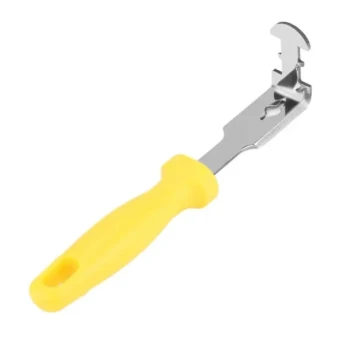
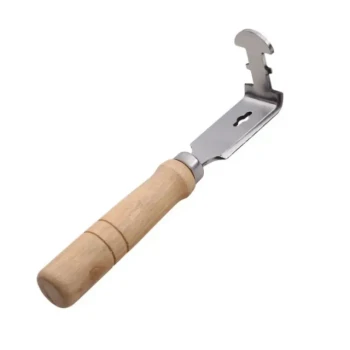
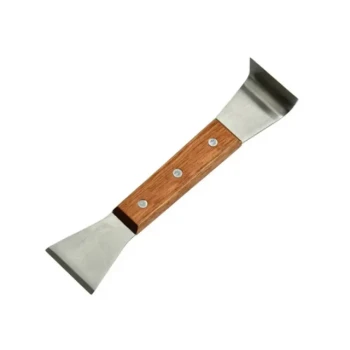
Manual scraping remains useful during routine inspections and for collecting deposits from frame edges, hive bodies, top bars, and queen excluders. Standard hive tools or purpose-designed scrapers are used to remove hard, adhesive deposits.
These tools should be durable and shaped for controlled scraping so operators can collect usable material without damaging frames, boxes, or other hive structures.
Chilling and handling equipment
Commercial operations commonly use cold storage or chilling equipment to harden propolis before removal from collection screens. This improves separation efficiency and makes collection less labor-intensive.
Clean containers, food-appropriate liners, and protected storage areas are also important for reducing contamination after harvest.
Collection and processing accessories
After separation, propolis should be transferred into clean, labeled containers for sorting and downstream processing. Commercial workflows may include screening out visible debris before the material is sent for use in tinctures, ointments, cosmetics, oral-care products, or supplements.
Equipment selection should support both high recovery and preservation of the raw material’s quality.
How Commercial Collection Works
Install the collector without compromising hive function
Screens are placed where bees naturally encounter small openings, commonly beneath the hive cover or near the upper portions of the hive. The installation should not obstruct ventilation, colony movement, or routine inspection access.
The collector should complement normal hive management rather than replace it.
Allow bees to fill the grid
Bees gradually seal the screen openings with propolis. The filled collector is then removed according to the apiary’s inspection and harvest schedule.
Commercial operators may use multiple screens so one can be installed while another is being processed, supporting continuous workflow.
Chill, flex, and separate the propolis
Cooling makes the resin harder and more brittle. The screen can then be flexed to release the propolis in larger pieces, usually with less contamination than material scraped directly from wood surfaces.
This is one of the main efficiency advantages of dedicated collection grids.
Inspect and store the harvested material
The collected propolis should be inspected for visible impurities and stored in clean, protected containers. Heat, excessive exposure, and poor handling can reduce raw-material quality, so the post-harvest process should be controlled.
For distributors and commercial buyers, consistent screen design, material quality, packaging, and fulfillment reliability are as important as the collector’s nominal capacity.
Understanding the Trade-offs
Dedicated traps improve purity but require planning
Screens generally produce cleaner propolis and reduce labor compared with scraping hive surfaces. However, they require additional equipment, correct placement, inventory management, and scheduled removal.
The best return comes from using collectors as part of a repeatable apiary workflow.
Manual scraping is flexible but more labor-intensive
Scraping requires little specialized equipment and can collect deposits already present during inspections. Its disadvantages are greater labor demand, more variable purity, and a higher risk of collecting wood particles or other hive debris.
It is most useful as a supplementary method rather than the sole commercial collection strategy.
Harvesting must not weaken hive defense
Removing every accessible deposit is counterproductive. Bees need propolis for sealing and sanitation, so collection should focus on material deposited on traps and surplus areas.
Overaggressive scraping can damage hive components and remove material that contributes to colony protection.
Equipment quality affects raw-material consistency
Poorly designed grids may be difficult to remove, unsuitable for repeated use, or prone to retaining residues. Collectors should be evaluated for flexibility, durability, cleanability, fit, and compatibility with the apiary’s hive system.
For B2B procurement, dependable supply, responsive technical support, and efficient order fulfillment help maintain consistent harvesting across multiple sites.
Making the Right Choice for Your Goal
Choose the harvesting setup according to the balance you need between labor, purity, colony protection, and operational scale.
- If your primary focus is maximum collection efficiency: Use removable propolis screens or grids, supported by chilling and flex-release handling.
- If your primary focus is the cleanest commercial raw material: Prioritize dedicated plastic collectors, controlled handling, and protected post-harvest storage.
- If your primary focus is low initial investment: Use durable hive tools and scrapers during routine inspections, while accepting higher labor and impurity levels.
- If your primary focus is colony health: Harvest from dedicated traps and surplus deposits while leaving essential sealing propolis undisturbed.
- If your primary focus is multi-apiary procurement: Select suppliers offering compatible equipment, reliable stock, rapid response, and consistent delivery across the full product range.
A well-designed propolis collection system turns a natural hive-defense behavior into an efficient, quality-controlled commercial resource without compromising colony health.
Summary Table:
| Harvesting Method | Equipment | Efficiency | Purity | Labor | Best For |
|---|---|---|---|---|---|
| Propolis screens/traps | Screens, traps | High | High | Low | Commercial, high-volume |
| Manual scraping | Hive tools, scrapers | Low | Moderate | High | Supplementary, small scale |
| Flexible plastic traps | Plastic screens | High | High | Low | Clean, large-scale |
| Chilling and flex-release | Cold storage, flexing tools | High | High | Medium | Bulk processing |
Ready to upgrade your propolis harvesting? HONESTBEE offers durable propolis screens, traps, and hive tools designed for commercial apiaries and distributors. Our one-stop sourcing, rapid delivery, and expert support ensure you get top-quality equipment with minimal hassle. Contact us today to streamline your operation and boost your harvest efficiency! Get in touch now.
Related Products
- 8 Frame and 10 Frame Propolis Trap Collector Screen for Propolis Collection
- Heavy Duty Stainless Steel Frame Cleaner with Plastic Handle
- Professional Stainless Steel Frame Cleaner with Ergonomic Wood Handle
- Professional Honey Uncapping Roller for Efficient Harvesting
- Stainless Steel Pivoting Honey Uncapping Fork with Plastic Handle
People Also Ask
- Why is a specific wooden frame required when installing a propolis screen? Optimize Your Propolis Harvest Efficiency
- What are the advantages of using propolis collector screens? Elevate Your Harvest to Pharmaceutical Purity
- How do propolis collection screens work? Discover material specs for commercial harvesting equipment
- How does the mesh size of a propolis collection screen influence the efficiency of propolis harvesting? Optimize Yields!
- How do commercial-grade plastic screens compare to custom fine-mesh screens? Maximize Your Propolis Yield & ROI