Precision is the prerequisite for scale. Specialized beehive-making machinery produces hives with exact physical specifications, creating the standardized environment necessary for consistent colony growth. This modernization provides the reliable infrastructure required to drastically ramp up production capacity while ensuring the raw honey produced meets the rigorous standards for specialized industry certifications.
By transforming hive construction from a variable craft into a precision industrial process, specialized machinery ensures the interchangeability and structural integrity required for mass management. This hardware is the difference between a large hobbyist operation and a scalable, commercial enterprise capable of competing in international markets.
The Foundation of Standardization
Achieving Component Interchangeability
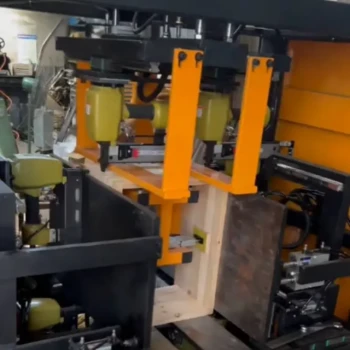
For large-scale operations managing hundreds or thousands of colonies, custom-fitting components is impossible. Specialized Hive-making Machines utilize automated processes to ensure every box, frame, and bottom board has precise, uniform dimensions.
This standardization guarantees that equipment is fully interchangeable across different production sites. It allows apiary managers to replace parts instantly without modification, a critical factor in maintaining operational momentum during peak seasons.
Enhancing Durability and Precision
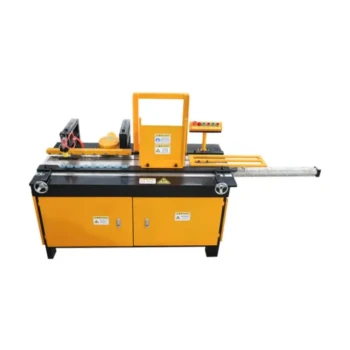
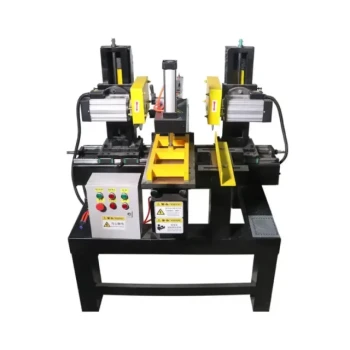
Industrial-grade machinery, such as automated tenoning machines and multi-head drills, delivers high-precision processing of wood components. This results in tight wood joints and highly repeatable structures that manual assembly cannot match.
Superior construction improves the durability of the hive, extending the lifespan of the equipment. It also increases assembly efficiency, allowing teams to deploy new infrastructure rapidly to support colony expansion.
Operational Efficiency and Scalability
Facilitating Mechanized Management
A specialized beehive system serves as the physical platform for professional management. Standardized structures are essential for the use of automated beekeeping machinery, such as honey-filling lines and handling equipment.
Furthermore, uniform hive dimensions facilitate migratory beekeeping. Commercial operations must often transport hives over long distances to follow seasonal blooms; standardized, robust hives stack securely and withstand the physical stress of transport better than inconsistent hand-built boxes.
Reducing Labor and Maintenance Costs
Standardized components significantly simplify routine maintenance processes. Beekeepers spend less time adjusting ill-fitting frames or repairing structural defects, reducing the labor time required per unit.
By lowering the maintenance burden, apiaries can allocate human resources to high-value tasks, such as colony health monitoring and harvest management, rather than equipment repair.
Biological Benefits and Value Enhancement
Optimizing Disease Control
High-quality hive construction is a frontline defense in pest management. Industrial-grade machinery ensures structural precision that eliminates gaps, providing a stable physical barrier against robbing bees and parasites.
Tight joints are particularly important for the execution of Varroa mite control protocols. A well-sealed, precisely built hive allows for better hygiene management and risk mitigation, directly reducing colony loss rates.
Increasing Honey Yields
The physical structure of the hive dictates the colony's environment. Specialized beehive systems provide a stable microclimate regarding temperature and humidity.
When the internal environment is consistent, bees expend less energy regulating hive temperature and more energy foraging. This efficiency significantly increases the honey yield per hive, directly impacting the commercial viability of the operation.
Understanding the Trade-offs
While the benefits are clear, adopting specialized machinery involves strategic considerations.
Initial Capital vs. Long-Term Gain
Implementing industrial-grade manufacturing hardware requires a significant upfront capital investment compared to purchasing finished manual hives or using basic tools. The return on investment relies on the volume of production; this solution is specifically engineered for operations aiming for scale, not small local producers.
Operational Complexity
Transitioning to automated production introduces a need for technical maintenance of the machinery itself. An apiary must ensure it has the technical capability to operate and maintain high-precision wood processing equipment to prevent production bottlenecks.
Making the Right Choice for Your Goal
To maximize the value of your apiary, align your equipment strategy with your specific business objectives:
- If your primary focus is Rapid Expansion: Prioritize machinery that guarantees component interchangeability to streamline the deployment of thousands of new colonies across multiple sites.
- If your primary focus is Premium Certification: Focus on precision machinery that ensures structural hygiene and microclimate stability to support the production of high-quality, export-grade honey.
Ultimately, specialized beehive machinery is not just about woodworking; it is about establishing the reliable, standardized infrastructure that allows a biological system to function as a predictable, profitable industry.
Summary Table:
| Key Benefit | Impact on Commercial Apiaries | Value Enhancement |
|---|---|---|
| Interchangeability | Standardized boxes & frames across all sites | Rapid deployment & easy part replacement |
| Structural Precision | Industrial-grade joints & tight seals | Better pest control & hive microclimate |
| Mechanization | Uniform dimensions for transport & handling | Enables migratory beekeeping & automated filling |
| Yield Optimization | Reduced colony energy expenditure | Higher honey production per hive unit |
| Labor Efficiency | Simplified maintenance & assembly | Redirects human resources to colony health |
Revolutionize Your Commercial Beekeeping Infrastructure with HONESTBEE
Transitioning from a hobbyist operation to a global competitor requires industrial-grade precision. HONESTBEE empowers commercial apiaries and distributors with the specialized hardware needed to achieve true scale. From automated beehive-making machines that guarantee component interchangeability to honey-filling lines and specialized beekeeping tools, we provide the full spectrum of equipment and consumables your business needs to thrive.
Ready to enhance your production capacity and honey quality? Contact HONESTBEE Today to Discuss Your Wholesale Needs
References
- Mario Lukinović, Milojević Ivan M.. Geographical indications as a means of valorization of economic business: A chance for rural recovery. DOI: 10.5937/socpreg55-32937
This article is also based on technical information from HonestBee Knowledge Base .
Related Products
- High-Efficiency Pneumatic Bee Hive Making Machine for Rapid Box Assembly
- Mini Desktop Bee Hive Frame Forming Making Machine
- HONESTBEE Top Bar & Bottom Bar Forming Machine | Bee Frame Machine
- Automatic High-Speed Bee Hive Box Stapling Machine
- Beehive Handle and Frame Rest Cutting Machine: Your Specialized Hive Machine
People Also Ask
- How does the introduction of professional beehive-making machinery benefit sustainable beekeeping? Scale Your Apiary
- Why is specialized beehive-making machinery critical for low-defense breeding? Enhance Selection with Precision Tools
- How does the introduction of specialized beehive making machinery contribute to increasing the scale of regional beekeeping industries?
- What is the importance of specialized beehive making machinery in a circular bio-economy? Build Local Sustainability
- Why are industrial-grade beehive making machines important? Scale Your Commercial Beekeeping with Precision & Efficiency