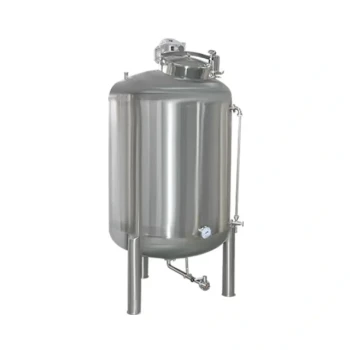
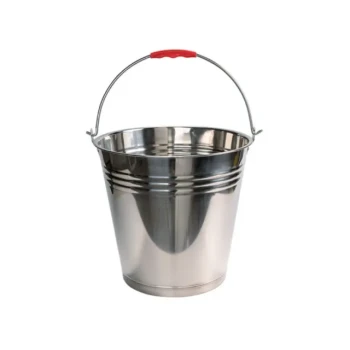
Specialized equipment is the critical barrier that separates high-value export commodities from rejected agricultural raw materials. It is essential because it preserves the honey's delicate sensory characteristics—color, texture, and flavor—while ensuring the physicochemical stability required to meet strict international standards, particularly for the European market.
By maintaining a controlled environment that ensures hygiene and stability, specialized infrastructure directly influences the market grading and final pricing of your product. Without it, honey is vulnerable to environmental degradation that can disqualify it from high-value export channels.
Preserving Chemical and Sensory Integrity
Stabilizing Physicochemical Properties
Honey is a chemically complex substance that is highly sensitive to its environment. Specialized storage systems are designed to maintain physicochemical stability throughout the processing phase. This stability is the baseline requirement for passing the rigorous laboratory tests demanded by international importers.
Protecting Sensory Characteristics
The value of honey is often determined by its specific sensory profile, including color, texture, and flavor. Professional storage equipment mitigates the risks of oxidation or contamination that can alter these traits. Preserving the natural state of the honey ensures it retains the unique qualities that command premium prices in niche markets.
Preventing Chemical Reactions
Honey is naturally acidic. Specialized vessels are constructed from chemically inert, food-grade materials that do not react with the honey's acidic components. This prevents the leaching of metallic tastes or chemical contaminants into the product, preserving its medicinal value and purity.
Mitigating Environmental Risks
Controlling Moisture and Fermentation
Honey is hygroscopic, meaning it naturally absorbs moisture from the air. Specialized storage vessels provide a superior sealed environment that acts as a barrier against ambient humidity. If honey absorbs too much moisture, it will ferment and spoil; professional sealing prevents this, securing the product's longevity.
Eliminating Contamination
Standardized packaging containers utilize food-grade materials to prevent chemical migration. Unlike generic plastic or metal containers, these specialized units ensure that no external substances compromise the honey's composition. This adherence to hygiene prevents spoilage and ensures the product remains safe for human consumption.
Logistics and Market positioning
Ensuring Traceability and Standardization
For export markets, traceability is non-negotiable. Standardized packaging and storage systems provide the hardware necessary for precise product identification and tracking. This allows producers to meet the documentation requirements of high-end retail markets and commercial distributors.
Enhancing Logistical Efficiency
Specialized packaging is not just about containment; it is about structural integrity. These containers are designed for integration with stacking equipment, which significantly improves logistical efficiency. They reduce breakage rates during long-distance transportation, ensuring the product arrives in the same condition it left the facility.
Establishing Brand Value
Packaging serves as a carrier for brand image. Specialized designs transform honey from a primary agricultural product into a recognizable commercial commodity. By communicating quality standards through a distinct visual system, producers can establish market recognition and justify higher price points.
Understanding the Trade-offs
Capital Investment vs. Market Access
Implementing specialized storage and packaging systems requires significant upfront capital. For local, short-term sales, this level of infrastructure may be over-engineered. However, for export markets, the cost of the equipment is generally lower than the financial loss associated with a single rejected shipment due to fermentation or contamination.
Maintenance Complexity
High-precision equipment requires strict cleaning and maintenance protocols to remain effective. If the hygiene of the equipment itself is not maintained, the benefits of the specialized materials are nullified. Operators must commit to ongoing maintenance to ensure the "controlled environment" remains compromised.
Making the Right Choice for Your Goal
- If your primary focus is entering European markets: Prioritize equipment that guarantees physicochemical stability and hygiene to meet stringent regulatory standards.
- If your primary focus is long-distance logistics: Invest in standardized, stackable packaging with superior sealing properties to minimize breakage and moisture absorption.
- If your primary focus is brand differentiation: Focus on specialized packaging materials that offer unique structural designs and high-quality visual identification.
The right storage and packaging infrastructure is not merely a container; it is an active investment in the longevity, safety, and marketability of your final product.
Summary Table:
| Feature | Specialized Equipment Benefit | Impact on Export Success |
|---|---|---|
| Material Quality | Food-grade, chemically inert materials | Prevents metallic leaching & chemical migration |
| Sealing System | Airtight, moisture-proof barriers | Prevents fermentation & maintains shelf-life |
| Temperature Control | Stabilized physicochemical properties | Protects color, flavor, and HMF levels |
| Structural Design | Stackable & durable packaging | Reduces transport breakage & improves logistics |
| Traceability | Standardized identification systems | Meets EU/international regulatory requirements |
Elevate Your Apiary for the Global Market
Don't let subpar equipment be the reason your honey is rejected at the border. HONESTBEE specializes in empowering commercial apiaries and distributors with the professional-grade tools needed to command premium prices. From specialized honey-filling machines to durable hive-making hardware and high-standard consumables, we provide the complete infrastructure for success.
Ready to scale your export operations?
Contact HONESTBEE today for a wholesale consultation and ensure your honey meets every international standard.
References
- Ever Sánchez Osorio, María de Lourdes Flores-López. Conflictos ambientales en la producción apícola: resistencia maya ante la agricultura corporativa en la península de Yucatán. DOI: 10.53331/teq.v1i3.5419
This article is also based on technical information from HonestBee Knowledge Base .
Related Products
- Double Nozzle Small Honey Filling Machine Honey Sachet Packing Packaging Equipment
- Small Honey Filling Machine Sachet Packing Equipment Single Nozzle
- Stainless Steel Honey Storage and Settling Tank with Double Strainer
- Stainless Steel Honey Storage Tank with Lid for Honey
- Professional Honey Storage Tank with Agitation System
People Also Ask
- How does industrial honey-filling machinery support Robinia pseudoacacia stands? Maximize Your Acacia Honey Yield
- What value do retail packaging equipment and filling technologies provide in the honey distribution process? Maximize ROI
- How does high-precision honey filling equipment protect honey's biological activity? Safeguard Purity & Premium Value
- Why is precision temperature control necessary for red honey filling? Preserve Amorpha fruticosa Color and Aroma
- What is honey filling equipment used for? Optimize Your Bottling with Precision Automation