Precision in manual inoculation is the difference between successful research and failed experiments. The combination of high-precision sharp tweezers and fine brushes is critical because it facilitates a micro-invasive procedure that preserves the biological integrity of both the honeybee larvae and the Varroa mite. Tweezers are used to create minute, non-destructive openings in the wax cell caps, while fine brushes allow for the gentle, stress-free transfer of the fragile mites into the cell.
Core Takeaway: To ensure high mite survival rates and maintain a natural biological environment, technicians must use specialized tools that minimize mechanical damage. This pairing allows for delicate manipulation that prevents trauma to the mite’s exoskeleton and the honeybee host.
The Role of Precision in Micro-Invasive Procedures
Tweezers as the Structural Entry Tool
High-precision tweezers, often referred to as watchmaker tweezers, are essential for creating controlled access to the capped brood cell. They allow technicians to peel back or pierce the wax cap at the extreme edge, ensuring the physical structure of the cell remains intact.
By using sharp, fine-tipped tweezers, the operator avoids crushing the wax or disturbing the honeybee larvae developing inside. This precision is vital for maintaining the internal environment of the cell, which must remain stable for the mite to begin its reproductive cycle.
Brushes as the Biological Transfer Mechanism
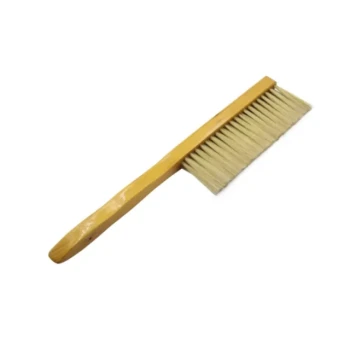
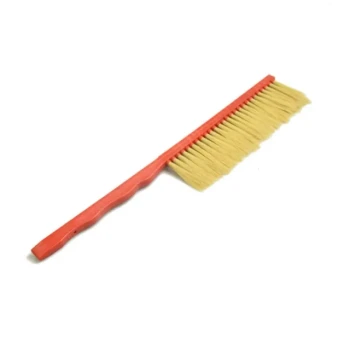
Fine brushes, particularly those with natural bristles, serve as the primary tool for handling the mites themselves. Because Varroa mites are physically fragile, the soft, flexible bristles provide a non-invasive way to pick up and move individual parasites without causing physical trauma.
The use of a brush prevents damage to the mite’s mouthparts and limbs, which are easily injured by harder tools. A moistened brush further enhances the ability to "grab" the mite safely, ensuring it remains in a healthy state for subsequent efficacy testing or reproductive studies.
Ensuring Data Integrity and Host Viability
Protecting the Host Larvae
The success of manual inoculation depends on the honeybee pupa surviving the procedure without infection or injury. Sharp tweezers allow for such minute incisions that the honeybee's natural development is not hindered by the intervention.
If the host is damaged during the uncapping process, the resulting data on mite behavior or mortality will be skewed. High-precision tools ensure that the brood chamber health is maintained, providing a clean baseline for scientific observation.
Preserving Mite Reproductive Capacity
Manual inoculation is often used to study resistance and reproduction; therefore, the mite must enter the cell in peak physical condition. Fine brushes ensure that the mite’s exoskeleton is not compromised, which could otherwise lead to premature death or reduced fertility.
This gentle handling is the core requirement for simulating a natural parasitic process. By reducing mechanical stress during the transfer, researchers can achieve the high mite survival rates necessary for reliable, repeatable experimental data.
Understanding the Trade-offs and Pitfalls
The Risk of Tool Degradation
Low-quality tweezers or brushes can lead to high experimental error and wasted labor hours. If tweezers lose their alignment or brush bristles become stiff, the risk of "mechanical trauma" to the specimens increases exponentially.
Skill Dependency and Time Intensity
Manual inoculation is a highly specialized task that requires significant technician time even with the best tools. While these tools provide the necessary precision, they do not eliminate the need for expert handling to avoid contamination or accidental larvae death.
Making the Right Choice for Your Sourcing Goals
How to Apply This to Your Inventory Strategy
As a distributor or wholesaler, understanding the technical necessity of these tools allows you to better serve the specialized needs of apiculture researchers and breeding programs.
- If your primary focus is Comprehensive Sourcing: Ensure your portfolio includes both high-precision watchmaker tweezers and natural-bristle fine brushes as a "bundled" solution for lab-grade inoculation kits.
- If your primary focus is Professional Expertise: Highlight the technical role these tools play in minimizing mechanical stress and maximizing mite survival to build trust with B2B research clients.
- If your primary focus is Operational Efficiency: Partner with suppliers who offer rapid response and ultra-fast delivery for these core consumables, as research timelines often depend on the immediate availability of precision instruments.
By providing the exact precision tools required for delicate biological work, you empower your clients to achieve consistent, reliable results in honeybee health research.
Summary Table:
| Tool Type | Primary Function | Key Benefit to Research |
|---|---|---|
| High-Precision Tweezers | Controlled uncapping of wax cells | Minimizes host larvae trauma & maintains cell structure |
| Fine Natural Brushes | Gentle mite pickup and transfer | Prevents exoskeleton damage & preserves reproductive health |
| Combined Kit | Micro-invasive cell entry | Ensures high mite survival rates & reliable experimental data |
Partner with HONESTBEE for Professional Beekeeping Solutions
Maximize your market edge with HONESTBEE, your premier one-stop partner for professional beekeeping equipment. We cater specifically to distributors, wholesalers, and B2B resellers, providing a comprehensive full-spectrum product portfolio—from high-precision laboratory tools like inoculation kits to industrial honey-filling machines and commercial-grade hives.
Why Choose HONESTBEE?
- One-Stop Sourcing: Access everything from specialized hardware to essential consumables in one place.
- Reliable Supply Chain: Benefit from ultra-fast delivery and efficient order fulfillment to keep your inventory moving.
- Industry Expertise: Our deep professional knowledge ensures you receive products that meet the highest technical standards.
- Dedicated Service: Enjoy rapid response times and premium trading services designed to support your growth.
Ready to enhance your product range and boost your profit margins? Contact us today to explore our wholesale offerings!
References
- Abdullah Ibrahim, Marla Spivak. The relationship between hygienic behavior and suppression of mite reproduction as honey bee (<i>Apis mellifera</i>) mechanisms of resistance to<i>Varroa destructor</i>. DOI: 10.1051/apido:2005052
This article is also based on technical information from HonestBee Knowledge Base .
Related Products
- Durable 12V Oxalic Acid Vaporizer for Varroa Mite Treatment Beehive Beekeeping Tool
- Oxalic Acid Vaporizer 12V for Bee Varroa Mite Treatment
- Compact Circular Bee Mite Treatment Dispenser
- Varroa Easy Check Mite Tester Kit Counter Alcohol Wash Jar
- Wooden Bee Brush with Double-Row Horsehair Bristles
People Also Ask
- What are the technical advantages of using professional Sublimators? Maximize Mite Control with Precision Vaporizers
- What is the minimum temperature for oxalic acid vaporization? Optimize Winter Mite Control at 37°F
- What is the recommended procedure for inserting and activating a vaporizer in a beehive? Master Hive Treatment Success
- What factors determine how often to treat for varroa mites with oxalic acid? Time Your Treatment for Maximum Efficacy
- What is the overall goal of using oxalic acid in late fall for beekeepers? Maximize Winter Survival with a Broodless Treatment