Harvesting honey during the flowering season is the definitive standard for ensuring a premium product. This timeframe coincides with peak biological activity in plants, specifically maximum nectar secretion and enzyme production. The result is a honey with superior nutritional density, lower moisture content, and a distinct, pure flavor profile that off-season harvests cannot match.
The Core Insight Product quality is inextricably linked to botanical cycles. By harvesting when nectar flow and plant enzymes are at their peak, you naturally achieve a "mature" honey with low moisture content, directly securing a higher commercial grade and market value.
The Biological Basis of Quality
Peak Nectar and Enzyme Activity
The primary driver of quality during this season is the biological state of the flora. Plants are in a phase of peak nectar secretion.
Simultaneously, enzyme activity within the plants is at its highest levels. This combination creates a chemically rich base for the honey, infusing it with a robust nutritional profile that is absent during dormant periods.
Achieving Low Moisture Content
Moisture control is the critical technical metric for honey stability and quality. Honey harvested during the flowering season naturally features a lower moisture content.
This characteristic is the primary indicator of "maturity." Low moisture prevents fermentation and ensures a dense, high-quality texture that is highly sought after in the marketplace.
Clarity and Flavor Purity
The sensory attributes of the product are significantly enhanced during this window. Honey produced from the flowering season exhibits a pure, unadulterated flavor.
Visually, this honey demonstrates superior clarity. These aesthetic and sensory qualities are essential for differentiating a premium product from a standard commodity.
Understanding the Trade-offs
The Risk of Off-Season Harvesting
The reference point for quality is often the contrast with winter-harvested honey. Missing the flowering window forces a harvest during periods of lower botanical activity.
Honey harvested in winter typically suffers from lower maturity levels. It often lacks the clarity of flowering-season honey, appearing cloudier or less consistent.
Commercial Implications
These physical differences directly impact the bottom line. The "maturity" and clarity achieved during the flowering season determine the product's commercial grade.
Consequently, reliance on off-season or winter harvests will result in a lower market value. The trade-off for missing the flowering window is a tangible reduction in product profitability.
Making the Right Choice for Your Goal
To maximize the potential of your apiary, align your harvest schedule strictly with local botanical cycles.
- If your primary focus is Market Value: Prioritize the flowering window to ensure the high maturity and low moisture required for top commercial grades.
- If your primary focus is Product Integrity: Harvest during peak bloom to capture maximum enzyme activity and the purest flavor profile.
Timing your harvest to the flowering season is not just a preference; it is the fundamental requirement for producing commercial-grade honey.
Summary Table:
| Quality Metric | Flowering Season Harvest | Off-Season/Winter Harvest |
|---|---|---|
| Moisture Content | Low (Naturally Mature) | High (Prone to Fermentation) |
| Enzyme Activity | Peak Levels | Low/Dormant |
| Flavor Profile | Pure & Distinct | Weak or Inconsistent |
| Visual Clarity | Superior & Clear | Cloudy/Less Consistent |
| Market Value | Premium Grade | Standard/Lower Grade |
Elevate Your Apiary Operations with HONESTBEE
At HONESTBEE, we understand that timing is only half the battle—having the right equipment is what secures your harvest's value. We specialize in supporting commercial apiaries and distributors with a comprehensive suite of professional beekeeping solutions.
Whether you need precision honey-filling machines to maintain product integrity, industrial-grade hive-making machinery, or essential industry consumables, our wholesale offerings are designed to scale your business. From specialized hardware to honey-themed cultural merchandise, we provide the tools you need to capitalize on the flowering season.
Ready to upgrade your production? Contact us today to explore our wholesale equipment catalog!
References
- Pit Bahadur Nepali, Hira Bahadur Rana. Study on Management Practice and Challenges on Beekeeping in Bagnaskali, Palpa, Nepal. DOI: 10.3126/pp.v11i1.55512
This article is also based on technical information from HonestBee Knowledge Base .
Related Products
- High Quality Honey Dehumidifier Dryer Thickening Machine for Beekeeping
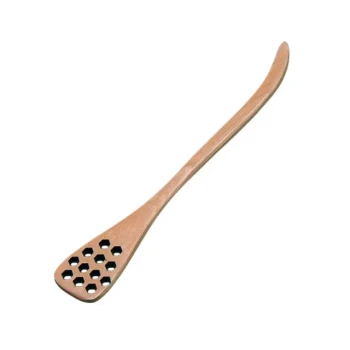
- Modern Honeycomb Pattern Wooden Honey Dipper for Stirring and Drizzling
- Economy Small Scale Honey Dryer Dehumidifier Thickening Machine
- Classic Honey Bear Jars with Flip Top Dispensing Cap for Liquid Sweeteners
- Inverted Squeezable Honey Jar with No Drip Flip Top Cap for Easy Pouring
People Also Ask
- Can you dehumidify honey? A Beekeeper's Guide to Preventing Fermentation
- How to dry up honey? The Safe Guide to Stabilizing Honey and Preventing Fermentation
- How can the moisture content of honey be reduced? A Guide to Safe, Effective Drying Methods
- How to remove humidity from honey? Protect Your Harvest from Fermentation
- What is the process for using a dehumidifier to lower honey's moisture content? Expert Drying Techniques