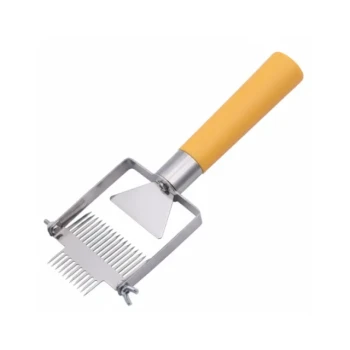
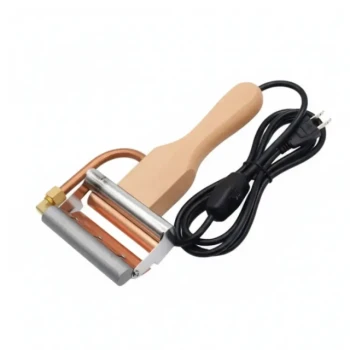
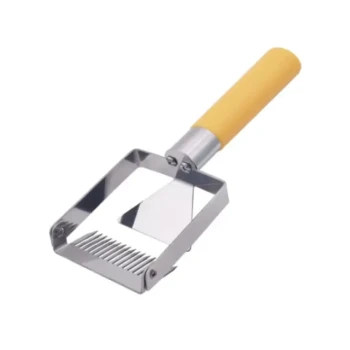
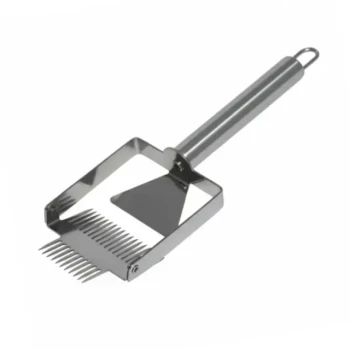
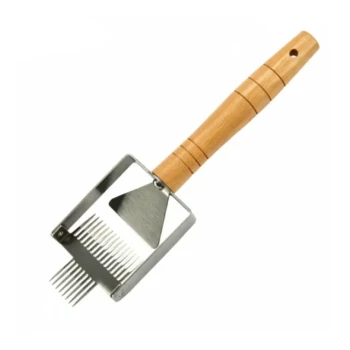
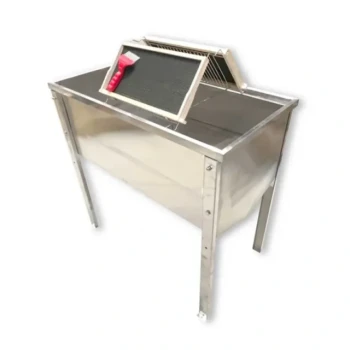
The process of uncapping (Desoperculado) is the defining mechanical prerequisite for honey extraction. It requires the physical removal of the beeswax "cappings" that bees use to seal mature honey within the comb, ensuring the liquid is accessible for processing.
Core Insight: Honeybees hermetically seal mature honey to preserve it. Uncapping breaks this physical barrier, allowing centrifugal extractors to pull the honey out of the cells without destroying the structural integrity of the wax frames.
The Mechanics of Extraction
Removing the Physical Barrier
Honeybees secrete a layer of beeswax to cap cells once the honey inside has reached the appropriate moisture content. This cap effectively "locks" the honey inside the comb.
Uncapping is necessary because these wax seals are airtight and water-tight. Without removing them, the honey remains trapped in the cell regardless of the force applied later in the process.
Enabling Centrifugal Flow
Modern honey harvesting relies heavily on the honey centrifuge (extractor). This machine spins frames to pull honey out via centrifugal force.
If the cappings remain intact, the physics of the centrifuge cannot work. The unsealed surface area provided by uncapping ensures that the honey flows freely out of the cells and onto the extractor walls.
The Role of Precision Tools
Efficiency Through Heat and Mechanics
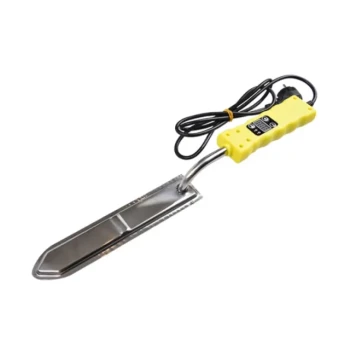
While manual tools exist, electric uncapping knives are frequently used to streamline this stage. These tools are heated to slice smoothly through the wax, significantly reducing the physical effort required compared to cold knives.
Preserving the Frame Structure
The goal of uncapping is not just to open the cell, but to do so with minimal damage. By carefully shaving off only the cap, the underlying cell structure remains intact.
This allows the empty frames to be returned to the apiary. Because the bees do not have to rebuild the entire comb, they can focus immediately on refilling the cells, maximizing future collection efficiency.
Common Pitfalls to Avoid
While uncapping is essential, the technique used determines the success of the harvest.
The Risk of Deep Cuts
Cutting too deeply into the comb removes more than just the cap; it reduces the depth of the cell walls. This forces bees to expend extra energy rebuilding the comb structure rather than producing honey.
Incomplete Uncapping
If patches of cells are missed during the uncapping process, that honey acts as dead weight in the centrifuge. This causes the frame to spin unevenly, which can physically break the wax foundation or damage the extractor itself.
Optimizing Your Harvest Workflow
To ensure a successful extraction, tailor your approach based on your operational scale and goals.
- If your primary focus is Speed: Utilize an electrically heated uncapping knife to swiftly process frames and minimize manual fatigue.
- If your primary focus is Frame Longevity: Focus on a shallow cut that removes only the wax seal, preserving the maximum amount of comb for the bees to reuse.
- If your primary focus is Equipment Safety: Double-check every frame for missed caps to ensure the centrifuge remains balanced during high-speed spinning.
The uncapping stage is the bridge between a sealed hive and a flowing harvest; precision here dictates the efficiency of everything that follows.
Summary Table:
| Factor | Role in Uncapping | Impact on Harvest |
|---|---|---|
| Physical Barrier | Removes airtight wax seals | Allows honey to exit the cells |
| Centrifugal Force | Opens cell surface area | Enables extractors to pull liquid out |
| Frame Integrity | Preserves cell structure | Allows bees to reuse combs immediately |
| Tool Precision | Uses heat (Electric Knives) | Increases speed and reduces physical labor |
| Balance | Ensures complete removal | Prevents extractor damage from uneven weight |
Maximize Your Honey Yield with HONESTBEE
Transitioning from hive to jar requires precision and the right industrial tools. HONESTBEE empowers commercial apiaries and distributors worldwide with a comprehensive range of professional beekeeping machinery and consumables. From high-efficiency electric uncapping knives and honey-filling machines to advanced hive-making hardware, we provide the equipment you need to scale your operations.
Ready to optimize your harvest workflow and protect your frame longevity? Contact us today to discover our wholesale solutions and see how our expertise can drive your business success.
References
- Juan Lerdón, Eduardo Macario Moctezuma Navarro. Análisis económico de una unidad productiva de miel, localizada en el sector Antilhue. DOI: 10.4206/agrosur.2017.v45n2-01
This article is also based on technical information from HonestBee Knowledge Base .
Related Products
- Professional Honey Uncapping Roller for Efficient Harvesting
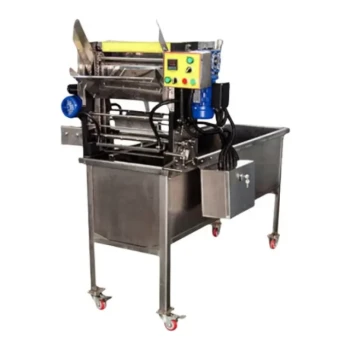
- Automatic Honey Frame Uncapper Machine for Beekeeping
- Professional Electric Honey Uncapping Knife with Heated Digital Temperature Control for Beekeeping
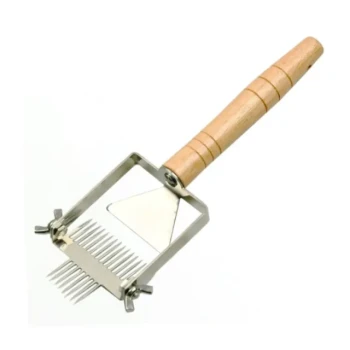
- Adjustable Stainless Steel Honey Uncapping Fork with Scraper Beekeeping Tool
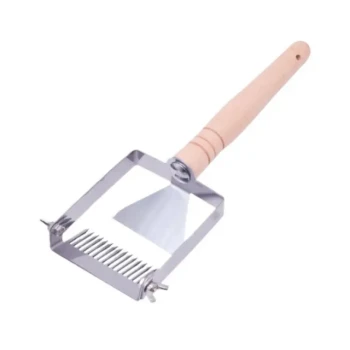
- Wide Adjustable Stainless Steel Honey Uncapping Fork with Scraper
People Also Ask
- What other tools are available for honey uncapping besides knives? Find the Right Tool for Your Apiary's Scale
- What are the methods of uncapping honey? A Guide to Tools for Efficient Harvests
- What tools are available for uncapping honey? A Guide to Choosing the Right Tool for Your Operation
- What tools can be used to uncap honey cells? Expert Guide to Efficient Honey Extraction Equipment
- What are the essential tools for uncapping honey frames? Choose the Right Tool for Your Apiary