The use of dark glass in propolis extraction is primarily a preservation strategy designed to shield sensitive chemical compounds from light degradation. Specifically, dark glass filters out ultraviolet (UV) rays and intense visible light, which prevents the photochemical breakdown and oxidative deterioration of the extract's highly concentrated phenolic compounds and antioxidants.
Propolis extracts are chemically volatile when exposed to light. Dark glass serves as a critical environmental control that arrests oxidation, ensuring the final product retains the antimicrobial efficacy required for therapeutic use.
The Science of Photochemical Protection
Shielding Sensitive Phenolic Compounds
Propolis ethanol extracts are densely packed with phenolic compounds and antioxidants. These are the bioactive "engines" responsible for the substance's health benefits. However, these specific molecules are inherently unstable when exposed to radiation from light sources.
Preventing Oxidative Deterioration
When intense light or UV rays penetrate a container, they trigger photochemical reactions. This energy accelerates oxidation, effectively degrading the chemical structure of the active ingredients. Dark glass acts as a filter, blocking these harmful rays before they can initiate this breakdown.
Maintaining Antimicrobial Efficacy
The primary reason for extracting propolis is often its medicinal value. If the active components degrade due to light exposure, the antimicrobial potency of the extract diminishes. Using dark containers is a direct method of quality assurance to preserve biological activity.
The Role of Process Standardization
Managing Geographical Variability
While glass protects the finished extract, the extraction process itself faces challenges due to raw material variability. The chemical composition of raw propolis changes significantly depending on its geographical origin. Standardized industrial equipment is necessary to normalize these natural fluctuations.
Controlling Key Variables
To ensure a high-quality product, producers must control more than just light exposure. Standardized equipment allows for the precise regulation of solvent ratios, temperature, and extraction time. This precision results in a consistent yield of critical metabolites, such as caffeic acid phenethyl ester (CAPE).
Common Pitfalls to Avoid
Risks of Non-Standardized Methods
Failing to use standardized extraction equipment can lead to dangerous inconsistencies. The most critical risk is a drastic fluctuation in toxicity levels (LD50 values). Without strict process controls, the safety profile of the final extract becomes unpredictable.
Inconsistency in Biological Activity
Protection from light is useless if the extraction method itself is flawed. Non-standardized processes often result in extracts with unpredictable biological activity. This means one batch might be therapeutically effective, while the next is chemically inert.
Making the Right Choice for Your Goal
To produce or select a high-quality propolis extract, you must balance physical protection with process control.
- If your primary focus is potency preservation: Prioritize storage and processing in dark glass to prevent the photochemical degradation of antioxidants.
- If your primary focus is safety and consistency: Ensure the use of standardized industrial equipment to normalize toxicity levels and guarantee a stable yield of active ingredients like CAPE.
True quality control requires protecting the chemistry from light while rigorously standardizing the mechanical process of extraction.
Summary Table:
| Feature | Protection Mechanism | Benefit to Propolis Extract |
|---|---|---|
| UV Filtration | Blocks high-energy radiation | Prevents photochemical breakdown of phenolic compounds |
| Oxidation Control | Minimizes light-induced energy | Maintains antioxidant levels and chemical stability |
| Quality Assurance | Environmental shielding | Ensures consistent antimicrobial and therapeutic efficacy |
| Standardization | Controlled processing | Normalizes geographical variability and toxicity levels |
Elevate Your Propolis Production with HONESTBEE
To achieve pharmaceutical-grade propolis extracts, protecting your product from light is only the first step. At HONESTBEE, we empower commercial apiaries and distributors with high-performance beekeeping machinery and standardized extraction equipment designed to ensure consistency, safety, and high yields of active metabolites like CAPE.
From advanced honey-processing hardware to essential industry consumables, our comprehensive wholesale solutions cater to every stage of your business growth. Contact us today to discover how our specialized beekeeping tools can optimize your production and deliver superior value to your customers.
References
- Sibel Soycan Önenç, Aslı Turan Uçman. Effects of Adding Ethanol Extract of Propolis on the Fermentation Quality, Aerobic Stability, Fatty Acid Profile, and In Vitro Digestibility of Alfalfa Silages. DOI: 10.3390/fermentation8080412
This article is also based on technical information from HonestBee Knowledge Base .
Related Products
- 8 Frame and 10 Frame Propolis Trap Collector Screen for Propolis Collection
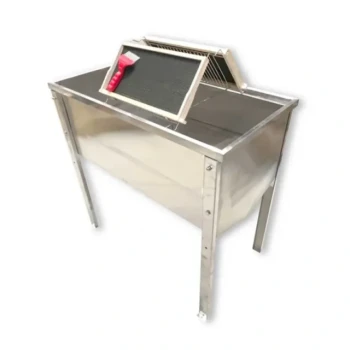
- Stainless Steel Uncapping Tank with Stand and Strainer
- Stainless Steel Honey Press Wax Press with Tank
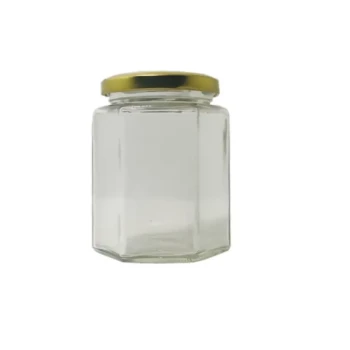
- Hexagonal Glass Honey Jars with Metal Lug Caps Elegant Versatile Packaging
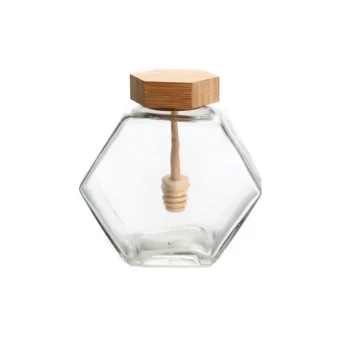
- Hexagonal Glass Honey Jar with Wooden Lid Integrated Dipper Elegant Functional Storage
People Also Ask
- Why is a specific wooden frame required when installing a propolis screen? Optimize Your Propolis Harvest Efficiency
- What are the advantages of using propolis collector screens? Elevate Your Harvest to Pharmaceutical Purity
- How do propolis collection screens work? Discover material specs for commercial harvesting equipment
- How does the mesh size of a propolis collection screen influence the efficiency of propolis harvesting? Optimize Yields!
- How do commercial-grade plastic screens compare to custom fine-mesh screens? Maximize Your Propolis Yield & ROI