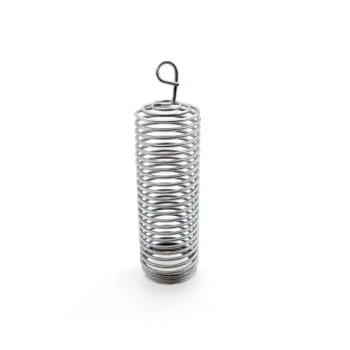
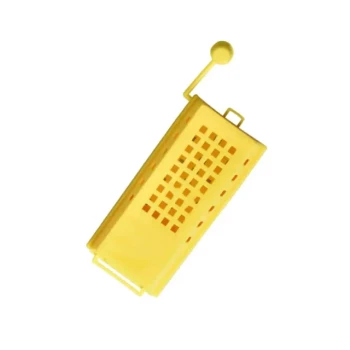
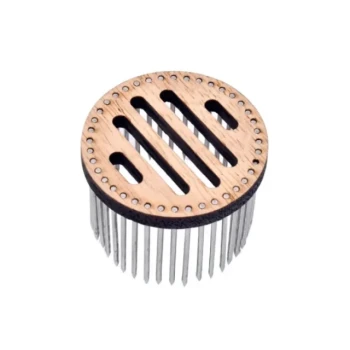
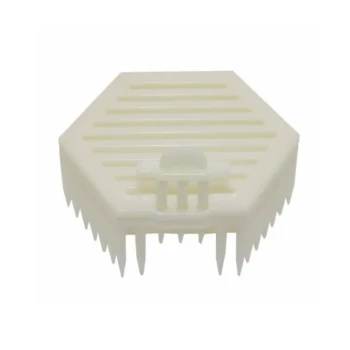
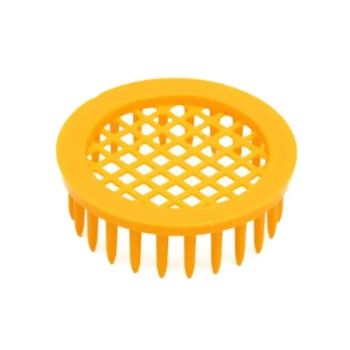
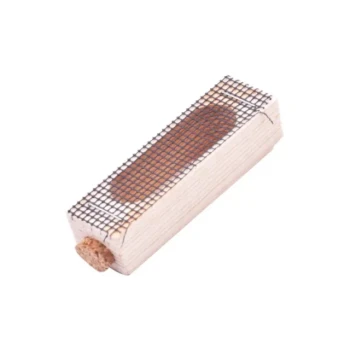
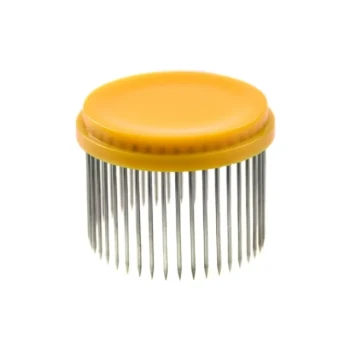
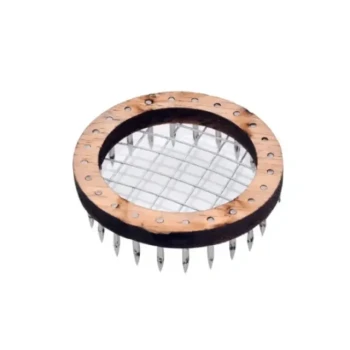
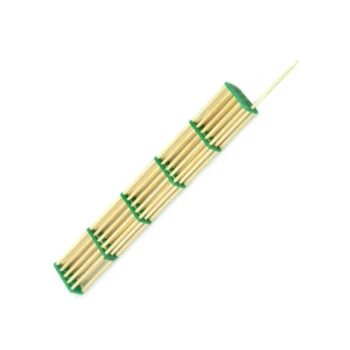
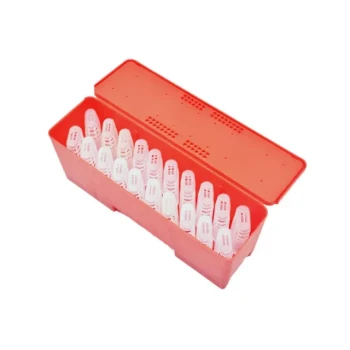
The regular use of queen mailing or introduction cages is the essential logistical enabler for annual queen replacement strategies. Without these tools, breeders cannot systematically introduce the young, vigorous queens necessary to drive high egg-laying capacities and maintain the specific workforce structure required for intensive propolis production.
Core Insight: The cage itself is merely the vehicle; the goal is annual queen replacement. A young queen’s superior endogenous control prevents the colony from swarming and optimizes the workforce, directly resulting in higher propolis yields compared to colonies with aging queens.
The Biological Engine of Propolis Production
The correlation between the use of introduction cages and propolis yield is rooted in the biological impact of the queen shepherded inside. The cage allows you to bypass natural limitations and impose a high-performance cycle on the hive.
Maximizing Egg-Laying Capacity
To collect propolis intensively, a colony requires a massive, robust workforce. Young breeding queens introduced via these cages possess significantly higher egg-laying capacities than their older counterparts.
This constant influx of new brood ensures the colony population remains high. A shrinking workforce cannot spare enough bees for the difficult task of resin collection; a growing workforce can.
Optimizing Workforce Structure
It is not enough to simply have more bees; you need the right behavior. Young queens exert stronger endogenous control over the colony through potent pheromones.
This control optimizes the division of labor. It directs the workforce toward high-intensity tasks, specifically enhancing the propolis collection intensity required for commercial production.
Preventing Resource Drain
Old queens inevitably lead to natural swarming. When a colony swarms, a significant portion of the workforce—and the genetic material—leaves the hive.
By utilizing introduction cages to preemptively replace queens annually, you drastically reduce the loss of genetic material caused by natural swarming. This keeps the biomass inside the hive where it can contribute to production.
Understanding the Risks of Neglect
While the introduction cage is a simple tool, failing to use it for regular rotation creates significant operational risks.
The Swarming Trade-off
If you rely on natural queen replacement rather than intervention via cages, you surrender control of the colony's lifecycle. As the queen ages, her control weakens, making swarming highly probable.
A swarmed colony is a non-productive colony. The time the hive spends raising a new natural queen is time lost in brood rearing, which eventually creates a gap in the workforce and causes propolis collection to plummet.
Making the Right Choice for Your Goal
To maximize your breeding program, you must view the introduction cage as a tool for consistency, not just transport.
- If your primary focus is Maximum Yield: Prioritize annual replacement to ensure every colony is led by a young queen with peak egg-laying capacity.
- If your primary focus is Stability: Use introduction cages to maintain strong endogenous control, minimizing the unpredictability and biomass loss associated with natural swarming.
Systematic queen replacement is the single most effective way to guarantee the colony vigor required for industrial-grade propolis production.
Summary Table:
| Factor | Annual Queen Replacement (Using Cages) | Natural Queen Cycle (No Intervention) |
|---|---|---|
| Egg-Laying Capacity | Consistently High (Peak performance) | Declines as queen ages |
| Workforce Size | Massive & Robust (Intensive labor) | Fluctuating & Unstable |
| Swarming Risk | Minimal (Strong pheromone control) | High (Weak endogenous control) |
| Propolis Yield | Optimized for Industrial Output | Inconsistent & Low |
| Genetic Stability | Retained through systematic breeding | Lost during natural swarming |
Maximize Your Apiary's Efficiency with HONESTBEE
To achieve industrial-grade propolis production, you need more than just healthy bees—you need precision tools that streamline your logistics. At HONESTBEE, we specialize in supporting commercial apiaries and distributors with high-performance beekeeping machinery and essential supplies.
Our comprehensive wholesale range includes everything from durable queen mailing cages and hive-making equipment to advanced honey-filling machines. Whether you are looking to optimize your workforce with young, vigorous queens or seeking premium honey-themed cultural merchandise for your brand, we provide the hardware and consumables necessary for your growth.
Ready to scale your production? Contact us today to explore our wholesale solutions and discover how HONESTBEE can enhance your apiary’s value and output.
References
- Omar Arvey Martinez, Ademilson Espencer Egea Soares. Melhoramento genético na apicultura comercial para produção da própolis. DOI: 10.1590/s1519-99402012000400006
This article is also based on technical information from HonestBee Knowledge Base .
Related Products
- Durable Galvanized Steel Spring Queen Bee Cage
- Professional Queen Cage with Sliding Gate and Feeder Plug
- Professional Queen Bee Introduction and Transport Cage
- Professional Multi-Functional Queen Bee Cage
- Premium Wood and Steel Push In Queen Cage
People Also Ask
- Why are specialized queen bee cages used for the banking of mated queen bees? Maximize Commercial Apiary Storage Efficiency
- What is the mechanism of action for using temporary queen bee cages? Master Successful Queen Introduction
- What is the step-by-step process for installing a queen bee's cage onto a frame? Ensure Hive Acceptance Safely
- What is the optimal placement for a queen bee cage? Essential Strategies for Successful Re-queening
- What are the advantages and disadvantages of introducing a queen bee by embedding the cage? Boost Your Queen Acceptance