Rigorous sterilization is essential because AFB spores can survive for years and hitchhike between colonies on ordinary beekeeping equipment. Hive tools, gloves, bee suits, frames, hive bodies, and transport equipment can all become mechanical carriers of Paenibacillus larvae, the bacterium responsible for American Foulbrood. Without strict sanitation, one infected colony can contaminate an entire apiary—or spread to neighboring operations through shared equipment and personnel.
AFB biosecurity depends on breaking the equipment-based transmission chain. Cleanable tools, controlled disinfection procedures, appropriate protective wear, and the regulated destruction or replacement of contaminated materials are essential because routine wiping is not enough to eliminate resilient spores.
Why AFB Contamination Is So Difficult to Control
Spores are exceptionally persistent
Paenibacillus larvae produces durable spores that can remain viable on hive components, tools, clothing, and equipment for long periods. They may be hidden in cracks, seams, wood grain, frame joints, and other areas that are difficult to clean.
This persistence means that equipment appearing visually clean can still pose a disease risk. A tool used in an infected colony may transfer spores directly into a healthy colony during the next inspection.
Equipment creates mechanical transmission
AFB does not need to move through direct bee contact alone. Contaminated hive tools, gloves, bee suits, boxes, covers, frames, and vehicles can transport spores between colonies and apiary sites.
The risk is particularly high in commercial operations where crews inspect many colonies in succession or where equipment is shared across locations.
Ordinary cleaning is not sterilization
Removing visible honey, wax, propolis, and debris is necessary, but it does not reliably destroy AFB spores. Effective control requires a validated physical or chemical treatment appropriate for the material being processed.
Procedures must also reach concealed surfaces. A disinfectant applied only to exposed areas may leave viable spores in crevices or porous wood.
How Rigorous Sanitation Breaks the Transmission Chain
Hive tools require treatment between infected and healthy colonies
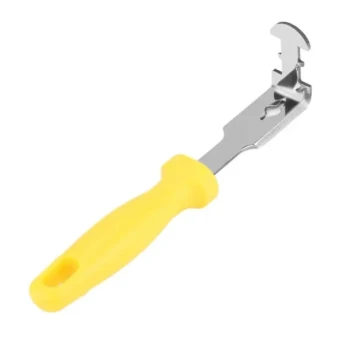
Metal hive tools should be cleaned and sterilized after handling an infected colony and before they are used elsewhere. The method must be compatible with the tool and practical for the operating environment, such as heat treatment or an approved chemical process.
Stainless steel tools are valuable because they are durable, nonporous, and easier to clean thoroughly than damaged, porous, or heavily corroded tools.
Gloves and bee suits must be managed deliberately
Protective gloves can carry contaminated material from one hive to another. Disposable gloves should be discarded after use in an infected colony, while reusable gloves require a documented cleaning and disinfection process.
Bee suits, veils, and other protective garments should be washed and disinfected according to their construction and manufacturer instructions. Separate clean and contaminated clothing workflows help prevent spores from being carried into vehicles, storage areas, or other apiaries.
Hive components need material-specific treatment
Scraped hive components may be soaked in an appropriate sodium hypochlorite solution for the required contact time—often specified as at least 20 minutes in operational guidance—but concentration, preparation, and local regulations must be confirmed before use.
Wooden hive bodies may require thorough scorching with a suitable torch, replacement, or another officially approved treatment. Porous or heavily contaminated parts, including infected brood comb and frames, commonly require destruction rather than attempted recovery.
Centralized disinfection improves consistency
For commercial apiaries, a dedicated disinfection area or room can provide a controlled process for cleaning supers, bottom boards, hive bodies, and other equipment. Centralization reduces improvised field treatments and makes it easier to separate dirty, processing, and disinfected equipment.
A documented workflow should include collection, scraping, washing, disinfection, drying, inspection, and clean storage. This is especially important for distributors and large operators managing high equipment volumes.
The Role of Equipment Selection in Biosecurity
Choose equipment that can be cleaned repeatedly
Smooth, corrosion-resistant stainless steel hive tools are generally easier to sanitize than tools with porous handles, deep scratches, or damaged surfaces. Durable construction also reduces replacement frequency and helps maintain consistent hygiene standards.
Protective wear should be selected for washability, chemical compatibility, seam quality, and availability in replacement sizes. Equipment that cannot tolerate the required cleaning process can become a recurring biosecurity weakness.
Maintain a rapid replacement inventory
AFB response may require the destruction or isolation of contaminated frames, covers, and other hive components. Delays can encourage unsafe reuse or force teams to share equipment between affected and unaffected colonies.
Maintaining reliable stocks of replacement hive boxes, frames, covers, foundation, gloves, and cleaning supplies allows operators to isolate outbreaks quickly. For wholesalers and resellers, dependable availability and fast fulfillment are therefore part of practical disease-control support—not merely a purchasing convenience.
Separate equipment by risk status
Clean, used, contaminated, and disinfected equipment should be physically separated and clearly labeled. Transport containers and vehicles also need attention because they can carry spores after contact with infected materials.
Color coding, dedicated tool sets, sealed waste containers, and written handling procedures reduce reliance on memory during fast-moving inspections.
What to Do When AFB Is Suspected
Stop movement before starting cleanup
Suspect colonies should not be moved, shaken, or routinely worked as though they were healthy. Equipment from the colony should be isolated, and tools and protective clothing should be treated as contaminated until properly processed.
AFB management is subject to local veterinary and beekeeping regulations in many jurisdictions. Operators should notify the appropriate authority and follow official requirements for confirmation, quarantine, destruction, salvage, and movement restrictions.
Destroy or replace materials that cannot be reliably sanitized
Infected brood comb and frames are difficult to decontaminate reliably because spores penetrate wax and porous materials. Regulated destruction—often by incineration—is commonly required.
Hive bodies may sometimes be salvaged after approved scorching or other treatment, but replacement is the safer option when surfaces are badly damaged, porous, or impossible to inspect thoroughly.
Protect unaffected colonies
Healthy colonies should be managed with separate or fully sanitized equipment. If bees are salvaged under an approved management plan, transferring them into clean equipment with new foundation can help remove contaminated comb from the transmission pathway.
The precise response must follow local disease-control rules. Attempting to “treat around” contaminated equipment without controlling the source can spread AFB further.
Understanding the Trade-offs
Chemical disinfection has operating limitations
Chemical treatments require the correct concentration, contact time, surface coverage, and rinsing or disposal procedure. Organic debris can reduce effectiveness, and some chemicals may damage metals, fabrics, wood, or plastics.
Never combine disinfectants, and always follow the product label, safety data sheet, and local waste-handling requirements.
Heat treatment can damage equipment
Scorching can reduce spore contamination on suitable wooden surfaces, but excessive heat may weaken or ignite hive components. It is not a substitute for destroying materials such as contaminated comb when official guidance requires destruction.
Heat-based processes also require trained operators, appropriate fire controls, and a controlled work area.
Intensive sanitation adds cost and labor
Disinfection requires water, chemicals, energy, protective equipment, labor, storage space, and process control. However, these costs are normally far lower than the operational and commercial consequences of an apiary-wide outbreak.
The most economical system is usually the one that prevents contamination from spreading in the first place through dedicated equipment, rapid response, and repeatable procedures.
How to Apply This to Your Apiary or Supply Program
Sanitation works best when it is designed as a complete operating system rather than treated as an occasional cleaning task.
- If your primary focus is outbreak containment: Isolate suspect colonies immediately, stop equipment movement, notify the relevant authority, and destroy or treat contaminated materials according to approved requirements.
- If your primary focus is routine biosecurity: Use dedicated or sanitized tools between colonies, wash protective clothing, replace contaminated disposable gloves, and maintain separate clean and dirty equipment areas.
- If your primary focus is commercial apiary efficiency: Establish a centralized disinfection workflow with documented contact times, material-specific procedures, inspection records, and trained personnel.
- If your primary focus is equipment sourcing: Prioritize durable stainless steel tools, washable protective wear, replacement hive components, approved disinfectants, and dependable replenishment from a supplier able to support rapid fulfillment.
- If your primary focus is distribution or resale: Build a full-spectrum product range around sanitation, replacement equipment, protective wear, and outbreak-response supplies so customers can obtain compatible items through one reliable channel.
Effective AFB control comes from making every tool, garment, and hive component part of a disciplined biosecurity system that stops spores before they reach the next colony.
Summary Table:
| Equipment Type | Why Sterilization is Critical | Recommended Practices |
|---|---|---|
| Hive Tools | Transfer spores between colonies via cracks and surfaces | Clean and disinfect between colonies; use stainless steel tools |
| Gloves | Carry contaminated material; disposable gloves should be discarded | Use disposable gloves for infected colonies; disinfect reusable gloves |
| Bee Suits | Spores can be carried on fabric | Wash and disinfect according to manufacturer instructions; separate clean/dirty workflows |
| Hive Bodies | Porous wood can harbor spores in grain and joints | Scorch with torch or destroy if heavily contaminated; use approved chemical treatments |
| Frames and Comb | Spores penetrate wax and porous materials | Destroy infected comb and frames; replace with new foundation |
Protect your apiary from AFB with durable, cleanable equipment from HONESTBEE. We supply commercial apiaries and distributors with stainless steel hive tools, washable suits, and hive components designed for rigorous biosecurity. With rapid response, fast delivery, and OEM/ODM support, we help you maintain supply reliability and safeguard your colonies. Contact us today to discuss your needs.
Related Products
- Economy Small Scale Honey Dryer Dehumidifier Thickening Machine
- Heavy-Duty Ergonomic Grip Galvanized Pollen Shovel
- Precision Stainless Steel Frame Cleaner for Hive Grooves and Corners
- HONESTBEE 15-in-1 Beekeeper Multi-Tool with Hammer and Pliers for Beekeeping
- Miniature Stainless Steel Bee Smoker for Beekeeping
People Also Ask
- What are the benefits of using a honey dryer for honey production? Boost Yield & Quality
- What are the features of the honey dryer? Achieve Premium Quality & Maximize Your Harvest
- What are the key features of the honey dryer? Essential Guide to Advanced Moisture Reduction Technology
- What is the primary construction material of the honey dryer? Durable AISI 304 Stainless Steel for Beekeepers
- How does the design of some honey dryers achieve high drying efficiency without a vacuum system? Boost Your Productivity