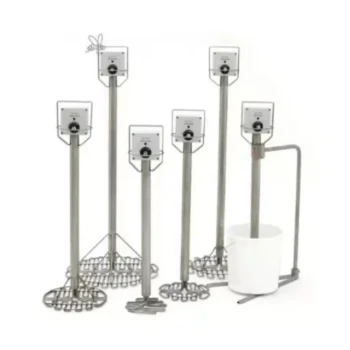
The primary construction material of the honey dryer is AISI 304 stainless steel. This food-grade metal is used for the main tank where the honey is processed, as well as the separate vessel dedicated to collecting extracted moisture.
The core components of a professional honey dryer utilize AISI 304 stainless steel to ensure strict food safety compliance and resistance to corrosion during the moisture removal process.
The Anatomy of the Honey Dryer
The Main Tank
The central component of the dryer is a working vessel manufactured from high-quality AISI 304 stainless steel.
This specific grade of steel is the industry standard for food processing. It prevents contamination and withstands the acidity naturally found in honey.
Moisture Collection System
Beyond the main tank, the device includes a dedicated stainless steel vessel for collecting water.
This vessel captures the condensation removed from the honey, ensuring the byproduct is handled with the same hygienic standards as the product itself.
Structural Design and Mobility
The machine features a double-wall construction to improve thermal efficiency and structural integrity.
Because stainless steel construction can be heavy, the unit is typically equipped with wheels to ensure mobility within the processing facility.
Understanding the Trade-offs
Weight and Portability
While AISI 304 stainless steel offers superior durability, it significantly increases the weight of the equipment.
Unlike hobbyist equipment (such as manual presses) which may utilize wood or plastic, a stainless steel dryer requires a stable, level floor capable of supporting the heavy apparatus.
Cost vs. Longevity
Construction using high-grade stainless steel represents a higher initial financial investment.
However, this cost is offset by the material's resistance to rust and physical damage, eliminating the frequent replacement costs associated with cheaper materials like food-grade plastics.
Making the Right Choice for Your Goal
When evaluating honey drying equipment, the material build dictates both the machine's lifespan and the quality of your final product.
- If your primary focus is food safety and compliance: Ensure the specification sheet explicitly lists AISI 304 stainless steel for all contact parts to meet hygiene regulations.
- If your primary focus is facility workflow: Verify that the heavy stainless steel unit includes integrated wheels, as moving the device without them will be difficult.
Investing in stainless steel construction ensures your equipment remains a permanent, reliable asset rather than a temporary tool.
Summary Table:
| Feature | Specification/Material |
|---|---|
| Primary Material | Food-grade AISI 304 Stainless Steel |
| Main Tank Type | Double-wall construction for thermal efficiency |
| Moisture Collection | Dedicated stainless steel condensation vessel |
| Mobility | Heavy-duty integrated wheels |
| Key Benefits | Corrosion resistance, food safety compliance, and longevity |
Elevate Your Honey Processing with HONESTBEE
Maximize your honey quality and facility efficiency with professional-grade equipment. As a leading supplier for commercial apiaries and distributors, HONESTBEE provides high-performance honey dryers and a complete range of beekeeping machinery—from hive-making to honey-filling systems.
Whether you need robust stainless steel hardware or essential industry consumables, our wholesale offerings are designed to scale your operations. Contact our expert team today to discuss how our durable equipment can enhance your productivity and product value.
Related Products
- 0.5T Capacity Honey Dehumidifier Dryer with Vacuum Heating and Thickening Filtering Machine
- Economy Small Scale Honey Dryer Dehumidifier Thickening Machine
- High Quality Honey Dehumidifier Dryer Thickening Machine for Beekeeping
- Stainless Steel Pail Perch Bucket Bench
- Professional Plastic Honey Dipper for Easy Honey Drizzling
People Also Ask
- What is the primary function of professional dehumidification equipment in honey processing? Stability & Quality
- How to dry up honey? The Safe Guide to Stabilizing Honey and Preventing Fermentation
- What is the process for using a dehumidifier to lower honey's moisture content? Expert Drying Techniques
- How to decrease moisture in honey? Prevent Fermentation and Ensure Long-Term Quality
- How to remove humidity from honey? Protect Your Harvest from Fermentation