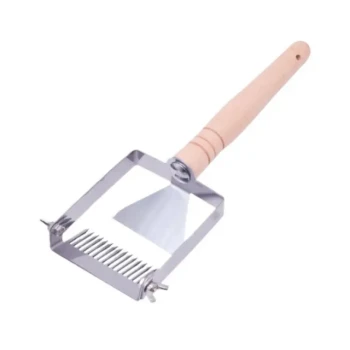
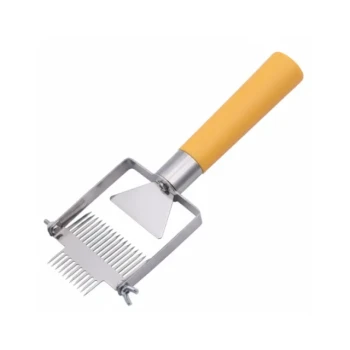
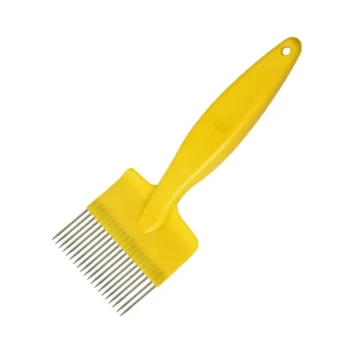
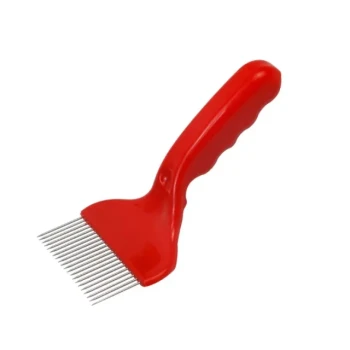
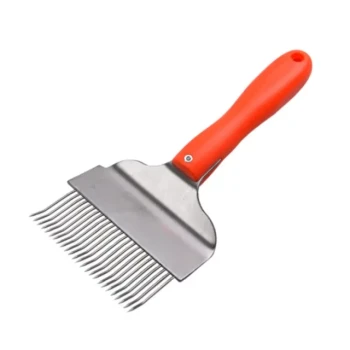
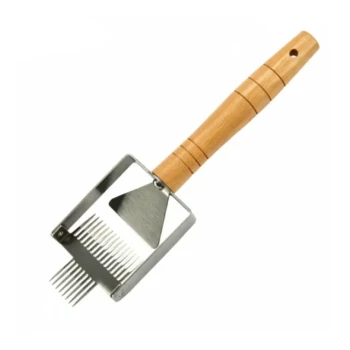
Systematic inspection of capped brood cells is necessary because it provides the only direct method to quantify the reproductive phase of the Varroa mite life cycle. By using uncapping tools to manually expose at least 250 larvae and pupae, technicians can calculate the exact percentage of brood infestation, a critical data point that adult bee sampling alone cannot provide.
Core Takeaway Reliable Varroa management requires looking beyond the mites found on adult bees (phoretic mites) to those breeding under the wax cappings. Systematic brood inspection reveals the colony's true "reproductive pressure," enabling precise evaluation of treatment efficacy and the development of targeted control strategies.
Uncovering the Hidden Infestation
To fully understand a colony's parasite load, you must assess the population hidden inside sealed cells.
Accessing the Reproductive Stage
Standard monitoring methods, such as alcohol washes, only count mites attached to adult bees.
However, a significant portion of the mite population exists inside capped brood cells, actively reproducing on developing bees.
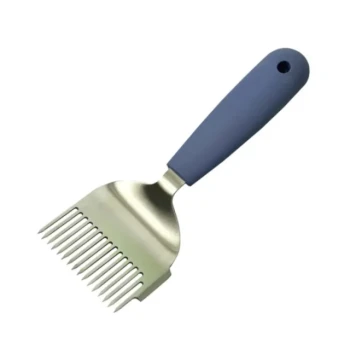
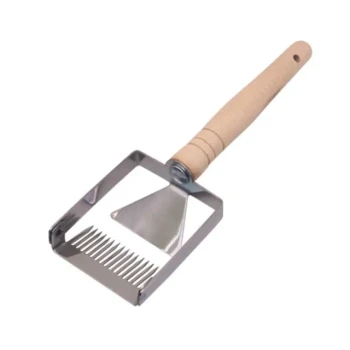
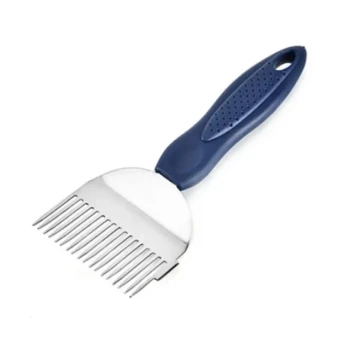
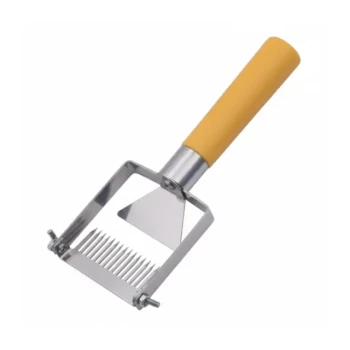
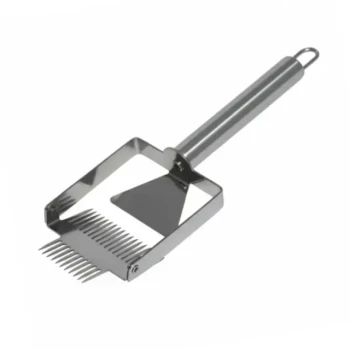
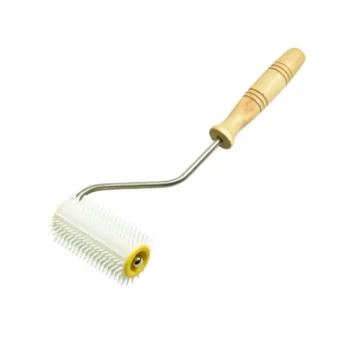
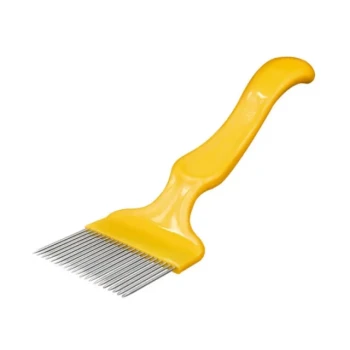
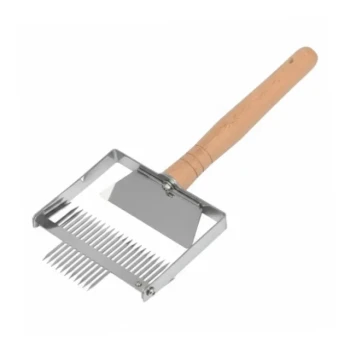
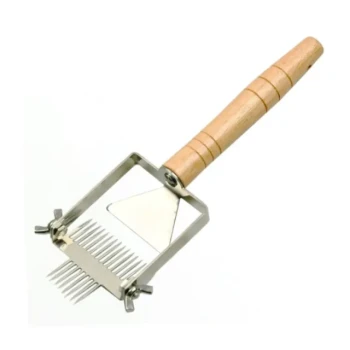
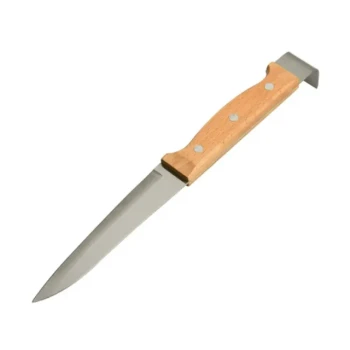
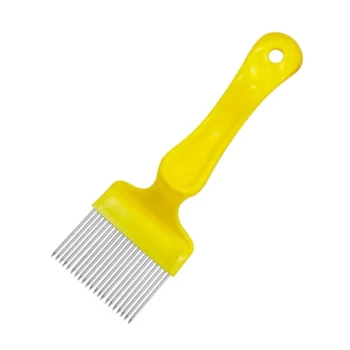
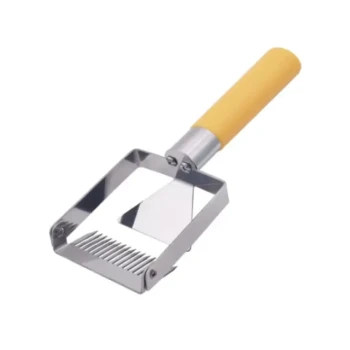
Systematic inspection uses uncapping tools—such as needles or tweezers—to breach this barrier and expose the immature and adult mites hiding within.
Calculating Exact Infestation Rates
Estimations based solely on adult bee samples can be misleading regarding the total colony threat.
By physically observing the brood, you generate primary data that allows for the calculation of an exact infestation percentage.
This metric offers a definitive snapshot of the current severity of the infestation, rather than a projection based on proxy data.
The Methodology of Inspection
Reliable data depends on a rigorous, systematic technical approach.
The Standard for Sample Size
To ensure statistical reliability, the primary protocol requires the inspection of at least 250 capped brood cells.
Checking fewer cells increases the margin of error and may fail to detect low-level, yet growing, infestations.
Random Selection
Technicians must select these cells randomly rather than focusing on a specific cluster.
Random selection prevents bias, ensuring the calculated rate represents the condition of the entire brood nest.
Strategic Value of the Data
The data gathered from uncapping is not just for counting; it is for decision-making.
Evaluating Reproductive Pressure
This method measures "reproductive pressure"—the intensity with which mites are breeding.
High reproductive pressure signals an exponential growth phase for the mite population, necessitating immediate and potent intervention.
assessing Treatment Efficacy
This technique is uniquely suited for determining how well a treatment works across different developmental stages.
If a treatment claims to penetrate cappings but live mites are found during inspection, the strategy can be immediately identified as failing.
Understanding the Trade-offs
While accurate, this method carries distinct disadvantages that must be weighed against the need for data.
Destructive Sampling
This process is invasive and destructive.
Every cell inspected results in the death of the developing pupa or larva. You are sacrificing a small fraction of the colony's future workforce to gain intelligence on its health.
Labor Intensity
Compared to an ether roll or sugar shake, brood inspection is labor-intensive.
It requires fine motor skills, specific tools, and significantly more time to uncap and inspect 250 individual cells carefully.
Making the Right Choice for Your Goal
Deciding when to employ this rigorous inspection method depends on the specific data fidelity you require.
- If your primary focus is Comprehensive Assessment: Perform brood inspection to capture the total parasite load, including both phoretic (traveling) and reproductive populations.
- If your primary focus is Treatment Validation: Use this method to verify if control measures have successfully penetrated the brood cap or if the reproductive cycle remains unbroken.
True control over Varroa infestation is impossible without measuring the reproductive pressure hidden beneath the cappings.
Summary Table:
| Metric | Adult Bee Sampling (Phoretic) | Capped Brood Inspection (Reproductive) |
|---|---|---|
| Mite Phase Targeted | Mites traveling on adult bees | Mites breeding on larvae/pupae |
| Data Accuracy | Indirect estimation/proxy data | Direct calculation of exact % |
| Required Sample | ~300 adult bees | Minimum 250 brood cells |
| Method Impact | Non-destructive (e.g., sugar shake) | Destructive (loss of sampled brood) |
| Primary Insight | Current visible mite load | Future population growth pressure |
Maximize Your Apiary Health with HONESTBEE
Precise Varroa monitoring is the foundation of a successful commercial beekeeping operation. At HONESTBEE, we empower commercial apiaries and distributors with the professional-grade tools and machinery needed to maintain peak colony health and productivity.
From precision uncapping tools and hive-making machinery to advanced honey-filling solutions and essential consumables, our comprehensive wholesale portfolio is designed to scale your business. Partner with us to access industry-leading equipment and honey-themed cultural merchandise tailored for the global market.
Ready to upgrade your beekeeping operations? Contact us today to explore our wholesale solutions!
References
- Noureddine Adjlane, Vincent Dietemann. Atypical viral and parasitic pattern in Algerian honey bee subspecies Apis mellifera intermissa and A. m. sahariensis. DOI: 10.1007/s13592-015-0410-x
This article is also based on technical information from HonestBee Knowledge Base .
Related Products
- Professional Multi-Function Uncapping Fork with Ergonomic Rubber Grip
- Professional Stainless Steel Uncapping Fork with Wooden Handle
- Professional Multi-Function Uncapping Fork with Integrated Blade for Beekeeping
- Adjustable Stainless Steel Honey Uncapping Fork with Plastic Handle for Beekeeping
- All Stainless Steel Double Sided Pivoting Honey Uncapping Fork
People Also Ask
- What is the primary use of an uncapping fork in beekeeping? A Guide to Precision Honey Harvesting
- What is the use of an uncapping fork? A Precision Tool for Hive Management and Honey Harvesting
- What is the original purpose of an uncapping fork? Mastering Precision Honey Extraction and Comb Preservation
- How is an uncapping fork used to uncap honey frames? Precision Techniques for Perfect Honey Extraction
- What is an uncapping fork? A Precision Tool for Efficient Honey Harvesting