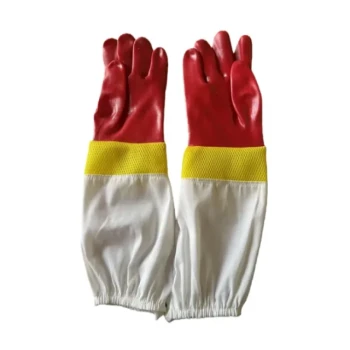
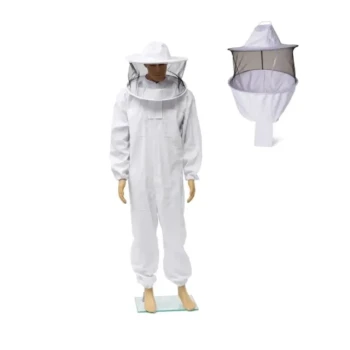
The use of professional protective clothing, rubber boots, and respiratory masks is a critical safety requirement for apiary disinfection, not merely a precaution. This equipment serves as the only effective physical barrier between the operator and the highly volatile, corrosive chemicals required to sterilize beekeeping tools. Without this specific gear, the operator faces immediate risks of severe injury to the skin, respiratory tract, and mucous membranes.
Core Insight: Effective apiary disinfection relies on aggressive chemicals like formaldehyde and acetic acid; professional protective gear is the only mechanism that allows beekeepers to utilize these agents safely while simultaneously preventing the mechanical spread of pathogens between hives.
The Immediate Physical Dangers
Protection Against Corrosive Agents
Apiary disinfection often involves strong acids and alkalis necessary to destroy persistent pathogens.
Chemical-resistant suits and rubber gloves provide an impermeable shield against these substances. Without this barrier, contact with these agents can cause immediate chemical burns and long-term dermatological damage.
Shielding the Respiratory System
Many effective disinfectants, such as formaldehyde and acetic acid, are highly volatile.
They release harmful vapors that can severely damage the respiratory tract and mucous membranes upon inhalation. Multi-functional respiratory masks are essential to filter these toxic fumes before they enter the operator's lungs.
Preventing Ocular Injury
The eyes are particularly vulnerable to chemical splashes and concentrated vapors.
Safety goggles create a necessary seal around the eyes. This prevents irreversible damage from accidental splashes or exposure to corrosive gases released during the cleaning process.
Biosecurity and Operational Efficiency
Halting Mechanical Transmission
Beyond personal safety, this equipment acts as a biosecurity firewall.
Pathogens like American Foulbrood (AFB) spores can adhere to everyday clothing and footwear. Dedicated rubber boots and protective suits prevent the mechanical transmission of these spores from a sick apiary to a healthy one.
Enhancing Operator Confidence
Handling hazardous chemicals can induce stress and panic, leading to mistakes.
When operators are confident in their full-body physical protection, they remain composed. This composure allows for thorough, systematic cleaning, ensuring the disinfection process is actually effective.
Common Pitfalls: Standard vs. Chemical Gear
The "Breathability" Trap
Standard beekeeping suits are designed for breathability and sting prevention, often using mesh or cotton.
Do not use standard bee suits for chemical disinfection. Porous materials that protect against stings will soak up liquid chemicals, holding them against your skin and worsening burns.
The Dedicated Gear Rule
A common error is using the same boots for general inspection and chemical cleaning without sanitizing them in between.
If protective gear is not treated as a biosecurity barrier, it becomes a vector for disease. Gear used for disinfection should be easily washable (like rubber) and distinct from gear used for general hive maintenance.
Making the Right Choice for Your Goal
To ensure both operator safety and colony health, select your equipment based on the specific hazard you are addressing:
- If your primary focus is Personal Safety: Prioritize chemical-resistant materials and respiratory filtration to block corrosive acids and volatile vapors like formaldehyde.
- If your primary focus is Biosecurity: Ensure your outer gear, especially boots, is non-porous and easily sanitized to prevent carrying AFB spores between sites.
True safety in the apiary requires recognizing that the gear protecting you from a sting is not the same gear that protects you from a chemical burn.
Summary Table:
| Equipment Piece | Primary Hazard Protected Against | Core Functional Benefit |
|---|---|---|
| Chemical Suit | Corrosive Acids & Alkalis | Impermeable barrier against chemical burns |
| Respiratory Mask | Volatile Vapors (Formaldehyde/Acetic Acid) | Filters toxic fumes to protect lungs and mucosa |
| Rubber Boots | Pathogen Transmission (AFB Spores) | Non-porous material, easy to sanitize between sites |
| Safety Goggles | Chemical Splashes & Corrosive Gases | Prevents ocular injury and irreversible eye damage |
| Chemical Gloves | Direct Liquid Contact | Shields skin from aggressive dermatological damage |
Secure Your Apiary with Professional Grade Protection
Safeguarding your operation requires more than just a bee suit; it demands industrial-strength reliability. HONESTBEE specializes in supporting commercial apiaries and distributors with a comprehensive wholesale selection of beekeeping tools, machinery, and essential consumables.
Whether you need hive-making machinery, honey-filling equipment, or specialized protective gear to handle aggressive disinfection protocols, we provide the hardware and supplies necessary to scale your business safely and efficiently.
Ready to upgrade your commercial beekeeping infrastructure? Contact HONESTBEE Today to discuss our wholesale offerings and how we can support your growth.
References
- İradə Quliyeva. BAL ARILARININ NOZEMATOZ XƏSTƏLİYİNƏ QARŞI MÜBARİZƏ TƏDBİRLƏRİ. DOI: 10.36719/2789-6919/25/18-20
This article is also based on technical information from HonestBee Knowledge Base .
Related Products
- Premium Cowboy Beekeeper Hat with Visibility Veil Outdoor Professional Beekeeping Protective Gear
- Premium Cotton Beekeeper Suit with Reinforced Fencing Veil
- White Cotton Beekeeping Jacket and Veil for Bee Keepers
- Economy Polyester Beekeeping Jacket with Veil and Hat
- Beekeeping Jacket with Hood and Veil for Beekeepers
People Also Ask
- What design features contribute to the stability and fit of the beekeeper hat? Key Features for Maximum Hive Safety
- How is the beekeeper hat designed for comfort and practicality? Explore Key Features for Enhanced Apiary Safety
- What is the general protective gear recommendation for new beekeepers? Your Essential Beginner's Safety Guide
- How does beekeeping protective gear facilitate the queen bee selection process? Enhancing Precision in Queen Breeding
- What should beekeepers consider when choosing protective gear? A Guide for Maximum Safety & Comfort