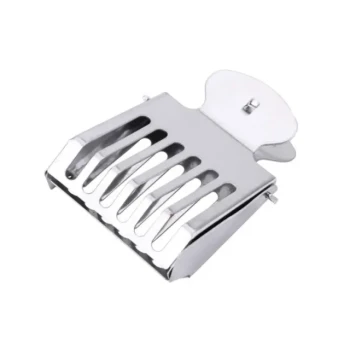
The controversy surrounding queen excluders stems from a fundamental clash between operational efficiency and natural hive behavior. While proponents rely on them to guarantee brood-free honey and save time during inspections, opponents argue they act as unnatural barriers that can damage bees, trigger swarming, and significantly reduce honey production.
The core debate centers on a trade-off: using an excluder guarantees a cleaner, faster harvest but risks creating a "honey excluder" effect where bees refuse to cross the barrier, potentially lowering overall yield.
The Case for Efficiency and Control
For many beekeepers, particularly those managing large numbers of hives, the queen excluder is an essential management tool. It imposes order on the hive's internal structure.
Guaranteeing Brood-Free Harvests
The primary function of an excluder is to confine the queen to the lower brood boxes. This prevents her from laying eggs in the honey supers above.
For the beekeeper, this ensures that when it is time to harvest, there is no brood to contend with during extraction. It simplifies the process and keeps the honey pure.
Improving Wax Quality
Using an excluder can result in higher-quality wax production in the supers.
Because the queen is excluded, the wax comb in the honey supers remains lighter in color. This cleaner, lighter wax often fetches a higher market price than dark, brood-stained comb.
Streamlining Hive Management
Excluders save significant time, a critical factor for commercial apiaries. By confining the queen to a specific area, she becomes significantly easier to find.
Beekeepers can even use excluders strategically to locate a queen by separating hive bodies for a few days to see where new eggs appear. This eliminates the need to hunt through every box in a large stack.
The Argument for Natural Bee Behavior
Opponents of the device often label it a "Honey Excluder." They argue that the device forces the colony to work against its natural instincts, leading to stagnation and stress.
The "Honey Excluder" Effect
Many beekeepers observe that worker bees are reluctant to squeeze through the excluder's narrow gaps.
This creates a bottleneck, impeding workers from moving into the supers to store nectar. The result can be a lower overall honey yield because the bees store honey in the brood nest instead of the designated supers.
Physical and Physiological Strain
Critics point out that excluders can be physically harmful to the colony members.
There is potential for harm to worker bees as they force themselves through the grid. Furthermore, the device creates an impassable barrier for drones, which are larger than workers, potentially trapping them or disrupting the hive's natural demographic flow.
Increased Swarming Risks
The use of excluders has been linked to an increased risk of swarming.
If workers fill the brood nest with honey because they are reluctant to cross the excluder, the queen runs out of space to lay eggs. This congestion is a primary trigger for the colony to initiate a swarm and leave the hive.
Understanding the Trade-offs
The decision to use an excluder is rarely black and white; it depends heavily on your specific goals and the temperament of your specific bees.
Balancing Organization vs. Flow
You must choose between the convenience of a segregated hive and the maximum potential flow of a natural hive.
Commercial operations often accept the "tax" on honey flow for the sake of speed and organized harvesting. Hobbyists, who have more time to inspect frames, may prefer to let the bees move freely.
The Unnatural Barrier
It is important to acknowledge that a metal or plastic grid is not a natural component of a bee colony.
While some hives adapt quickly, others may stubbornly refuse to pass through it. Beekeepers must observe their own hives to determine if the excluder is acting as a helpful tool or a prohibitive wall.
Making the Right Choice for Your Goal
The "right" answer depends entirely on what you are trying to optimize in your apiary.
- If your primary focus is Commercial Efficiency: Use an excluder to ensure rapid, brood-free harvesting and to reduce the time spent locating queens.
- If your primary focus is Maximum Honey Yield: Consider avoiding the excluder to remove movement barriers and prevent the "honey excluder" effect.
- If your primary focus is Wax Production: Use an excluder to ensure the comb in your supers remains light-colored and free of brood cocoons.
Experimentation is the only definitive test; try using an excluder on one hive while leaving another natural to observe the difference in your specific apiary.
Summary Table:
| Feature | Pros (Efficiency) | Cons (Natural Behavior) |
|---|---|---|
| Harvest Quality | Guaranteed brood-free honey | Risk of dark comb if used without |
| Wax Quality | Lighter, high-market-value wax | Potential for brood-stained comb |
| Hive Management | Faster queen locating & inspections | Physical strain on worker bees & drones |
| Honey Yield | Organized storage sections | Potential "Honey Excluder" effect |
| Swarm Risk | Controlled brood nest | Higher risk due to nest congestion |
Elevate Your Apiary's Performance with HONESTBEE
Whether you prioritize commercial efficiency or natural hive flow, HONESTBEE provides the professional-grade tools you need to succeed. As a leading supplier for commercial apiaries and distributors, we offer a comprehensive wholesale range—from precision-engineered queen excluders and hive-making machinery to honey-filling equipment and essential consumables.
Our value to you:
- Expert Equipment: Durable hardware designed for the rigors of commercial beekeeping.
- Wholesale Solutions: Scalable supply chains for beekeeping tools and honey-themed merchandise.
- Industry Expertise: Tools tailored to maximize both your honey yield and operational speed.
Ready to optimize your production and scale your business? Contact HONESTBEE today to explore our full spectrum of beekeeping machinery and wholesale offerings!
Related Products
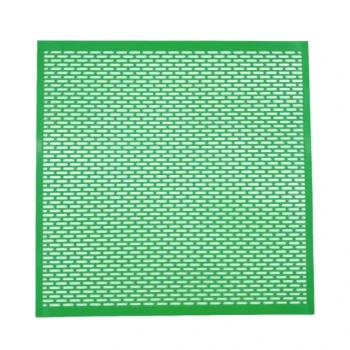
- High Performance Plastic Queen Excluder for Beekeeping and Apiary Management
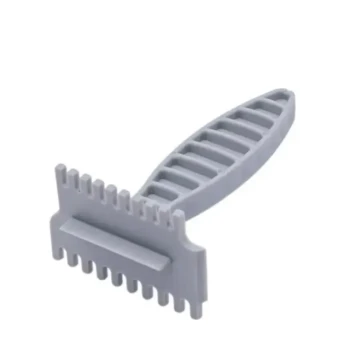
- Lightweight Durable Plastic Queen Excluder Scraper for Beekeeping
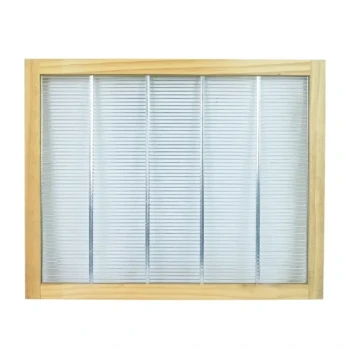
- Premium Wood Framed Metal Wire Queen Bee Excluder
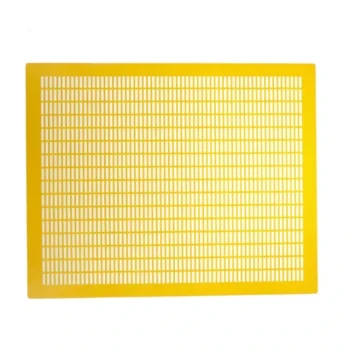
- Professional Plastic Queen Excluder for Modern Beekeeping
- Metal Queen Bee Excluder for Beekeeping
People Also Ask
- What are the characteristics of a plastic queen excluder? Key Benefits for Cost-Effective Beekeeping
- What are the operational and cost advantages of using plastic queen excluders over metal or wire excluders in commercial hive management? Discover how they reduce labor, prevent wing damage, and lower total costs.
- What types of queen excluders are available for beekeepers? Choose the Right Tool for Your Hive
- Why are standardized hive frames and queen excluders essential for maintaining honey purity and quality? Scale Your Purity
- Do plastic queen excluders work? A Cost-Effective Solution for Modern Apiaries