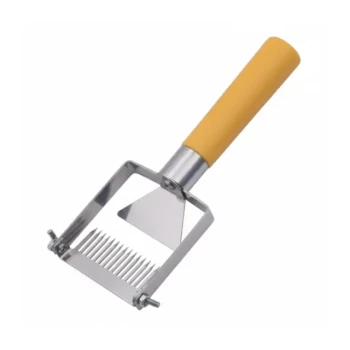
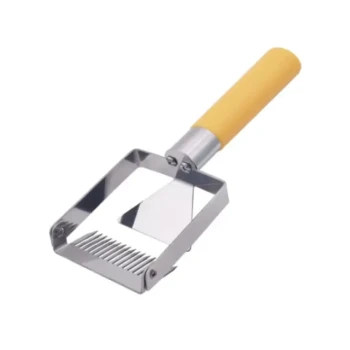
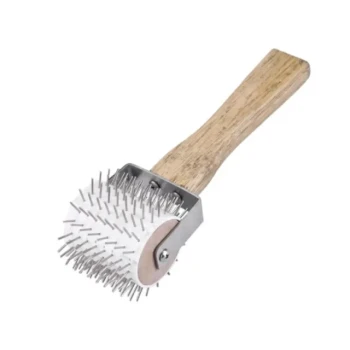
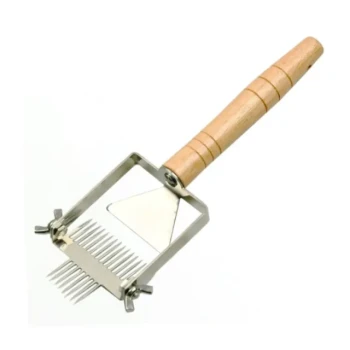
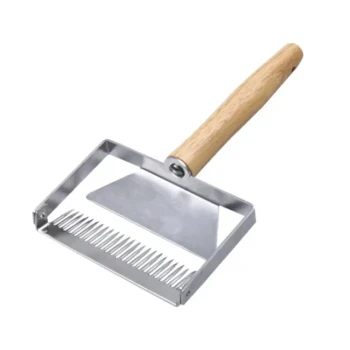
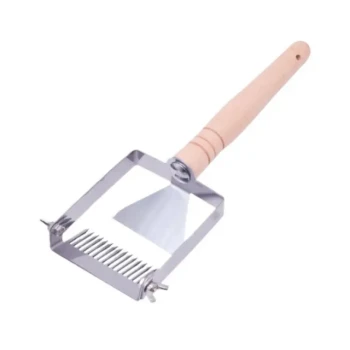
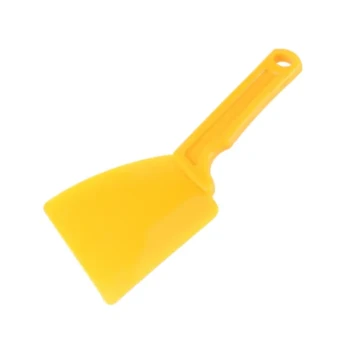
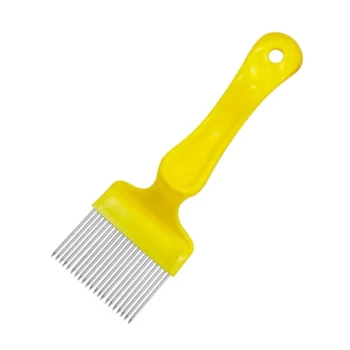
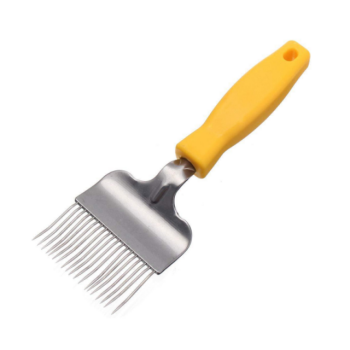
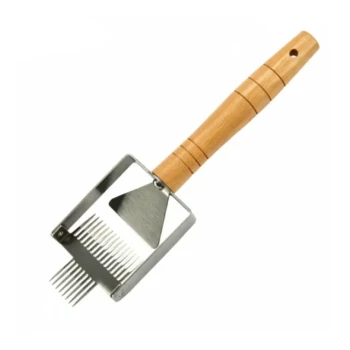
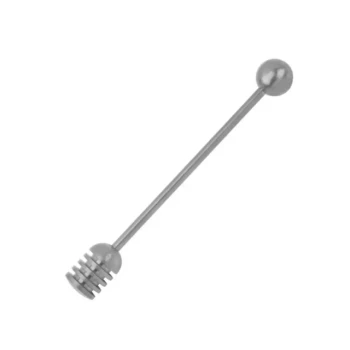
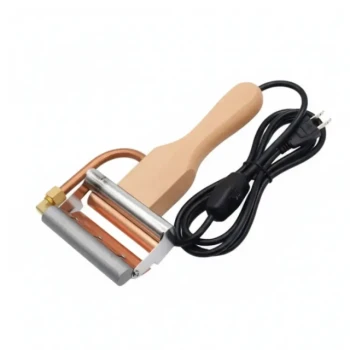
The use of specialized professional harvesting tools is emphasized because they enable surgical precision, allowing harvesters to remove only the honey-storage section of the comb while leaving the brood section containing eggs and larvae intact. This capability is the single most important factor in transforming honey collection from a destructive event into a sustainable, regenerative practice.
By using sharp, professional instruments to strictly preserve the colony's brood, harvesters allow the comb to regenerate within two weeks, enabling multiple harvest cycles per season without destroying the bee population.
The Mechanics of Sustainable Harvesting
Precision Separation of Honey and Brood
The primary objective of sustainable harvesting is to differentiate between the honey stores and the future generation of bees.
Specialized, sharp tools are required to perform a clean cut that removes the honey-containing portion of the comb without damaging the adjacent section housing eggs and larvae.
Rapid Colony Regeneration
When the brood section is preserved through this precise operation, the colony’s recovery time is drastically reduced.
Because the core population is not lost, the bees can rebuild the removed honeycomb and produce a new batch of honey within just two weeks.
Shifting from Raiding to Management
Standardized tools replace primitive "nest-raiding" techniques that typically result in the destruction of the hive structure.
This shift allows for efficient extraction while protecting the genetic resources of the giant honeybee, ensuring the long-term health of the local ecosystem.
Operational Control and Safety
Reducing Colony Stress
Professional-grade tools include equipment like bee smokers, which produce cool smoke to calm the colony.
This significantly reduces the bees' defensive behavior, minimizing stress on the insects and protecting the operator during the delicate cutting process.
Preserving Structural Integrity
High-strength hive tools are designed to pry and manipulate the hive components without causing structural collapse.
This ensures that after the honey is harvested, the physical foundation of the hive remains stable, allowing the bees to immediately begin the regeneration process.
Understanding the Trade-offs
The Cost of Inadequate Equipment
Using non-specialized or blunt tools often leads to the accidental destruction of the brood comb.
This prevents the two-week regeneration cycle, resulting in the total loss of the colony and forcing the harvester to find a new hive for the next collection.
Skill and Maintenance
Professional harvesting is not solely about possessing the tool; it requires the skill to identify the exact cutting line between honey and brood.
Furthermore, tools must be kept sharp and sterile; dull tools crush the comb rather than cutting it, which can damage the hive structure and agitate the colony.
Making the Right Choice for Your Goal
To maximize the benefits of giant honeybee harvesting, align your tool selection with your operational objectives:
- If your primary focus is Economic Yield: Invest in sharp cutting tools to enable the two-week regeneration cycle, allowing for multiple harvests from a single colony in one season.
- If your primary focus is Environmental Conservation: Prioritize the use of smokers and precision blades to minimize colony stress and ensure zero damage to the egg and larval stages.
True sustainability is achieved when the tool allows the harvester to take the product without taking the future of the hive.
Summary Table:
| Feature | Impact on Sustainability | Benefit to Harvesters |
|---|---|---|
| Precision Cutting Tools | Protects brood section (eggs/larvae) | Enables 2-week regeneration cycle |
| Professional Smokers | Reduces bee stress and defensive behavior | Increases operator safety and efficiency |
| High-Strength Hive Tools | Maintains hive structural integrity | Prevents hive collapse after harvest |
| Surgical Separation | Transforms raiding into management | Allows multiple harvest cycles per season |
Elevate Your Beekeeping Operation with HONESTBEE
At HONESTBEE, we specialize in empowering commercial apiaries and distributors with the professional tools required for sustainable, high-yield honey production. From precision blades that protect the future of the hive to industrial-grade honey-filling and hive-making machinery, our comprehensive wholesale portfolio is designed for those who value both efficiency and environmental stewardship.
Ready to upgrade your equipment and maximize your seasonal yield? Contact us today to explore our full spectrum of beekeeping hardware and consumables. Partner with HONESTBEE and take the product without taking the future of the hive.
References
- Denise Margaret Matias, Henrik von Wehrden. Ecological changes and local knowledge in a giant honey bee (Apis dorsata F.) hunting community in Palawan, Philippines. DOI: 10.1007/s13280-018-1038-7
This article is also based on technical information from HonestBee Knowledge Base .
Related Products
- Adjustable Stainless Steel Honey Uncapping Fork with Plastic Handle for Beekeeping
- All-Stainless Steel Pivoting Honey Uncapping Fork for Beekeeping
- Stainless Steel Pivoting Honey Uncapping Fork with Plastic Handle
- Professional Honey Uncapping Roller for Efficient Harvesting
- Professional Stainless Steel Pry-Bar Hive Tool
People Also Ask
- What is the design purpose of honey uncapping forks and honey uncapping tanks? Maximize Your Harvest Efficiency
- How does a honey uncapping fork supplement the use of an uncapping knife? Boost Your Honey Yield and Extraction Efficiency
- What are the essential tools for uncapping honey frames? Choose the Right Tool for Your Apiary
- What other tools are available for honey uncapping besides knives? Find the Right Tool for Your Apiary's Scale
- What tools are used for honey uncapping? Choose the Right Knife for Your Harvest