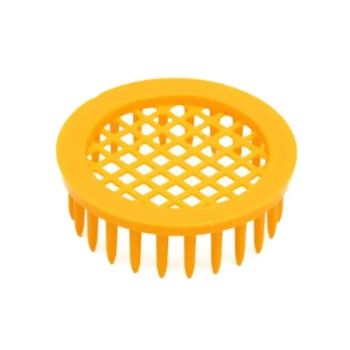
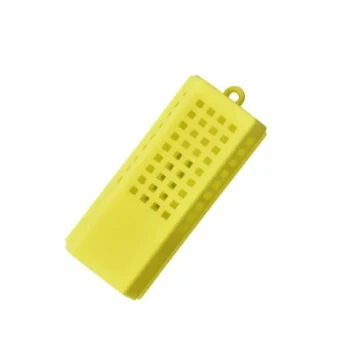
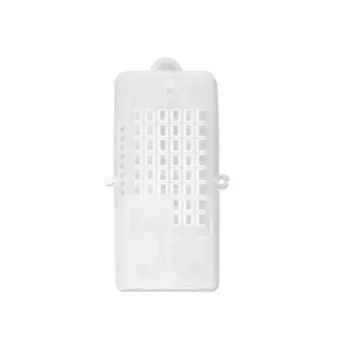
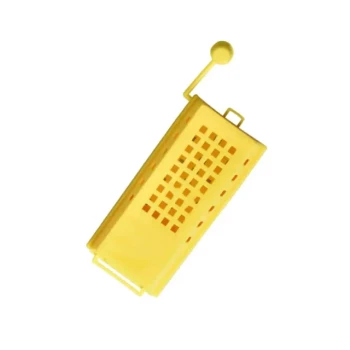
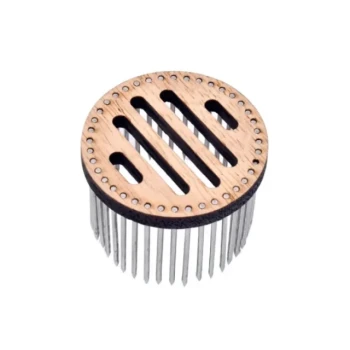
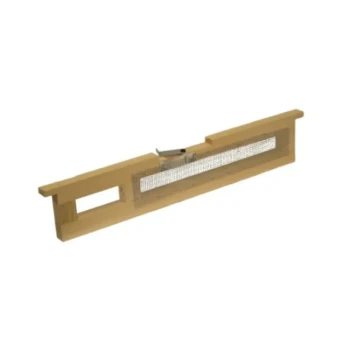
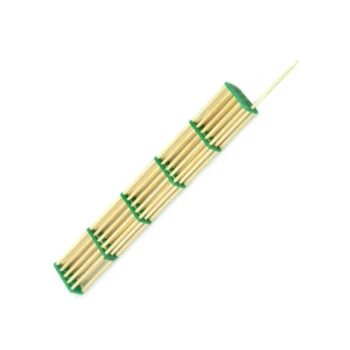
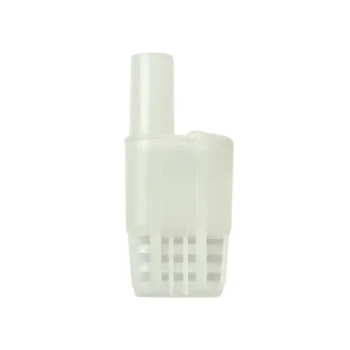
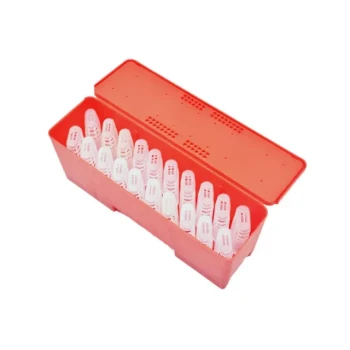
Wire mesh screening cages provide a non-negotiable layer of physical safety that prevents a colony from immediately killing a newly introduced virgin queen. Because a new queen carries a scent foreign to the hive, the existing worker bees will view her as an intruder and attack; the cage isolates her to ensure survival while allowing her pheromones to gradually overwrite the colony's defensive instincts.
The wire mesh cage acts as a biological "negotiation chamber," converting what would be an immediate rejection into a gradual social acceptance by safely regulating the spread of pheromones.
The Mechanics of Acceptance
The Problem of Olfactory Recognition
Honeybee colonies rely heavily on chemical signals to identify friend from foe. A virgin queen introduced from outside carries a unique scent profile that does not match the recipient colony.
Without a cage, worker bees will immediately detect this "foreign" odor. This triggers an aggressive defense response, often resulting in "balling," where workers cluster tightly around the new queen to overheat or suffocate her.
Facilitating Pheromone Integration
The mesh design of the cage is functional, not just structural. It acts as a permeable barrier that allows air and scent to pass through freely while blocking physical aggression.
This controlled environment allows the virgin queen’s specific pheromones to slowly disperse throughout the hive. Over a period of isolation, her scent integrates with the colony's odor, tricking the workers into accepting her as their own before physical contact occurs.
Enabling Safe Interaction
While the mesh stops attacks, it permits essential social behaviors. Through the screen, worker bees can investigate the queen and even feed her.
This establishes initial social recognition. It allows the colony to acclimate to her presence without the risk of lethal force, significantly increasing the success rate of the introduction.
The Process of Autonomous Release
Controlled Release Timing
The cage prevents the queen from running loose immediately, which is the primary cause of introduction failure. The primary reference suggests a specific technique for release: scoring (scratching) the wax comb under the cage the day after introduction.
Triggering Worker Instincts
By scoring the area under the cage, you disrupt the comb structure slightly. This distracts the worker bees and engages their instinct to repair the comb.
As they work to repair the scored wax, they chew through the barrier or the comb itself. This guides the workers to release the queen autonomously, ensuring that release happens only after they have spent time working near her, further cementing her acceptance.
Understanding the Trade-offs
The Risk of Residual Pheromones
If a colony was recently queenright, residual pheromones from the old queen may still linger. This chemical "ghost" can signal to workers that a queen is already present, causing them to reject the new virgin queen even with a cage.
The Necessity of Patience
A common pitfall is rushing the release. The cage imposes a mandatory buffer period. Releasing a virgin queen before the colony has fully habituated to her scent almost guarantees rejection. The cage forces the beekeeper to respect the biological clock of the hive rather than their own schedule.
Making the Right Choice for Your Goal
- If your primary focus is survival rate: Use a wire mesh cage to strictly prevent "balling" and physical attacks during the first 24-48 hours.
- If your primary focus is social integration: Ensure the mesh allows for antennal contact and feeding, which accelerates the colony's recognition of the new queen.
- If your primary focus is release mechanics: Utilize the "scoring" technique on the comb to encourage the workers to chew the queen out naturally, reducing the stress of manual release.
The wire mesh cage is not just a container; it is the essential bridge that allows a colony to transition its loyalty from one genetic line to another without violence.
Summary Table:
| Feature | Function in Queen Introduction | Key Benefit |
|---|---|---|
| Wire Mesh Barrier | Provides physical isolation from aggressive workers | Prevents "balling" and immediate lethal attacks |
| Permeable Design | Allows pheromones and scents to disperse freely | Facilitates gradual colony-wide olfactory acceptance |
| Screen Gaps | Permits antennal contact and feeding by workers | Establishes early social bonds and recognition |
| Scoring Technique | Encourages workers to chew through comb/wax | Enables safe, autonomous release by the colony |
Maximize Your Apiary's Success with HONESTBEE
Transitioning queen bees is a delicate process that requires the right tools for survival and productivity. HONESTBEE provides professional-grade beekeeping equipment designed for the rigors of commercial apiaries and distributors.
From high-quality wire mesh cages and specialized beekeeping hardware to advanced honey-filling machinery, we supply everything your business needs to thrive. Partner with us for comprehensive wholesale solutions and industry-leading expertise.
Contact HONESTBEE Today to Secure Your Wholesale Supplies
References
- Gomaa Abolaban. Effect of Two Hive Height Levels on some Honeybee Activities and Hornet Attacking under Nasr City, Conditions, Cairo, Egypt.. DOI: 10.21608/jppp.2018.41672
This article is also based on technical information from HonestBee Knowledge Base .
Related Products
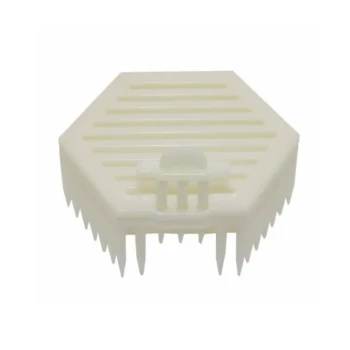
- Hexagonal Direct Comb Introduction Queen Bee Cage
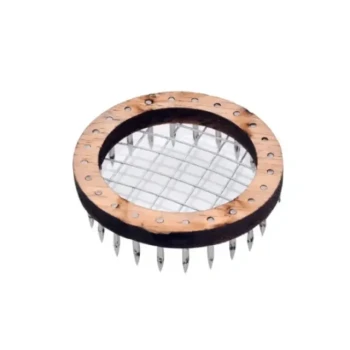
- Wood and Mesh Push-In Queen Cage
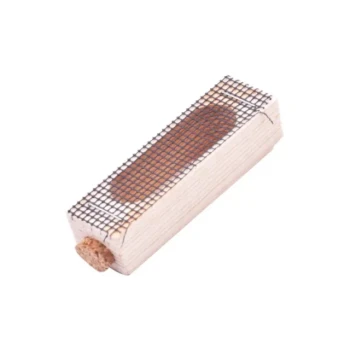
- Classic Wooden and Mesh California Queen Cage
- Professional Queen Bee Introduction and Transport Cage
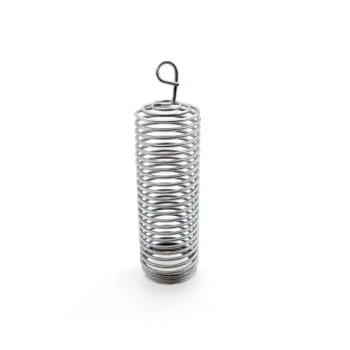
- Durable Galvanized Steel Spring Queen Bee Cage
People Also Ask
- What is the technical purpose of using an introduction cage? Ensure Safe Queen Bee Integration and Colony Acceptance
- How does the introduction cage method differ from standard cage insertion for queen bees? Best Acceptance Strategies
- What is the mechanism of action for using temporary queen bee cages? Master Successful Queen Introduction
- Why are specialized queen bee cages used for the banking of mated queen bees? Maximize Commercial Apiary Storage Efficiency
- What is the importance of specialized queen introduction cages and tools? Secure High-Value Genetics & Scalability.