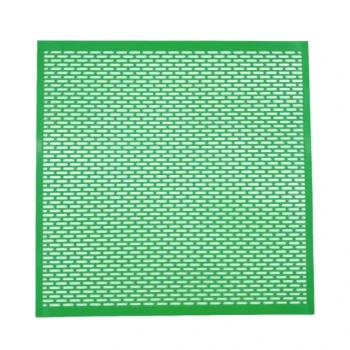
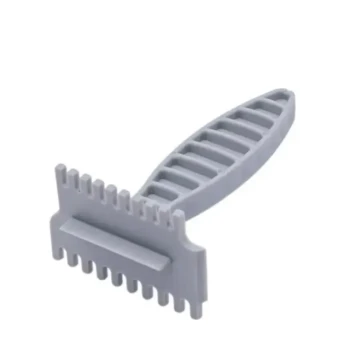
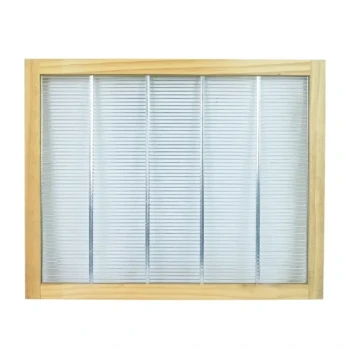
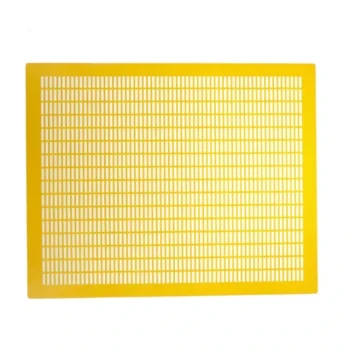
The decision often comes down to efficiency and philosophy. Some beekeepers choose not to use queen excluders because they act as a physical barrier that can discourage worker bees from entering the honey supers, leading to the derogatory nickname "Honey Excluders." By removing this barrier, beekeepers aim to maximize the speed at which workers store nectar and to support the natural movement of the colony.
The core argument against queen excluders is that while they keep the queen contained, they may also impede worker traffic, damage bee health, and restrict the colony's natural expansion, potentially reducing the total honey harvest.
The Impact on Hive Efficiency
The "Honey Excluder" Effect
The primary technical argument against these devices is that they slow down production. Beekeepers have observed that worker bees can be reluctant to squeeze through the mesh screen to reach the upper boxes (supers).
If the workers hesitate to cross this barrier, they cannot store honey in the supers effectively. This resistance can result in lower overall levels of honey collection, defeating the purpose of adding the extra boxes.
Maintenance and Obstruction
Over time, the excluder itself can become a maintenance liability. Bees often fill the small gaps in the mesh with wax or propolis (bee glue).
This clogging further restricts airflow and movement between the brood box and the honey storage areas. It requires the beekeeper to perform regular cleaning to maintain the device's functionality.
Biological and Natural Concerns
Swarm Risks and the "Honeybound" Hive
When worker bees are reluctant to cross an excluder, they may choose to store incoming nectar in the brood box below instead of the supers above. This creates a condition known as a honeybound hive.
If the brood box fills with honey, the queen is left with no empty cells to lay eggs. This lack of space is a primary trigger for swarming, causing a large portion of the bees to leave the hive to find a new home.
Physical Harm to the Colony
Opponents of excluders also point to the physical toll the device takes on the insects. Some excluders, particularly metal ones with sharp edges, can damage the delicate wings of worker bees as they squeeze through.
This physical damage can shorten the lifespan of the foragers. Additionally, drones (male bees), which are larger than workers, can get stuck in the mesh and die, creating unnecessary waste and stress within the colony.
The "Natural Beekeeping" Philosophy
For beekeepers prioritizing natural behavior, the excluder is seen as an artificial constraint. In a wild setting, a queen moves freely throughout the comb.
Allowing unrestricted movement enables the queen to lay eggs wherever the colony dictates is best for development. This promotes a healthier brood pattern and allows the colony to manage its own population dynamics without human interference.
Understanding the Trade-offs
While the arguments against excluders are valid, choosing to go without one introduces specific operational challenges that you must be prepared to manage.
The Risk of Brood in Honey
The main purpose of the excluder is to keep the queen out of the honey supers. Without one, the queen may lay eggs in the frames you intend to harvest.
This complicates the extraction process significantly. Extracting honey from frames containing larvae is messy and can compromise the purity of the honey.
Ease of Management
Excluders serve a practical function for the beekeeper. They keep the queen confined to the lower boxes, making her significantly easier to locate during inspections.
They also ensure the wax in the upper supers remains lighter in color, as it is not used for brood rearing. This light-colored wax is often more desirable if you plan to sell comb honey.
Making the Right Choice for Your Goal
The decision to use or discard a queen excluder depends entirely on your specific objectives for the apiary.
- If your primary focus is maximizing honey yield: You might avoid the excluder to prevent the "Honey Excluder" effect and ensure workers have barrier-free access to storage space.
- If your primary focus is natural beekeeping: You should likely remove the excluder to prevent wing damage, allow free queen movement, and reduce swarm triggers caused by congestion.
- If your primary focus is streamlined harvesting: You may prefer using an excluder to guarantee that your honey supers remain 100% free of brood and larvae.
Ultimately, successful beekeeping requires balancing the convenience of the beekeeper with the biological needs and efficiency of the colony.
Summary Table:
| Factor | With Queen Excluder | Without Queen Excluder |
|---|---|---|
| Honey Harvest | Risk of "Honey Excluder" effect; slower storage. | Maximum speed; barrier-free access to supers. |
| Hive Health | Potential wing damage; drones may get stuck. | Natural movement; healthier worker lifespan. |
| Swarm Risk | High (if brood box becomes honeybound). | Lower (queen has ample space to lay eggs). |
| Harvest Ease | Brood-free honey frames; easy extraction. | Risk of larvae in honey; more complex sorting. |
| Management | Queen is easy to locate in lower boxes. | Requires more skill to find queen and manage brood. |
Elevate Your Apiary Operations with HONESTBEE
Whether you advocate for natural beekeeping or focus on industrial honey extraction, HONESTBEE provides the professional-grade tools you need to succeed. We specialize in supporting commercial apiaries and distributors with a comprehensive wholesale range, including:
- High-Efficiency Machinery: Advanced honey-filling and hive-making machines.
- Durable Hardware: A full spectrum of beekeeping tools and equipment designed for longevity.
- Industry Consumables: Every essential item to keep your colony thriving and your production seamless.
Ready to scale your business with premium supplies and expert support?
Contact HONESTBEE Today for a Wholesale Quote
Related Products
- High Performance Plastic Queen Excluder for Beekeeping and Apiary Management
- Lightweight Durable Plastic Queen Excluder Scraper for Beekeeping
- Premium Wood Framed Metal Wire Queen Bee Excluder
- Professional Plastic Queen Excluder for Modern Beekeeping
- Metal Queen Bee Excluder for Beekeeping
People Also Ask
- What are the characteristics of a plastic queen excluder? Key Benefits for Cost-Effective Beekeeping
- What are the operational and cost advantages of using plastic queen excluders over metal or wire excluders in commercial hive management? Discover how they reduce labor, prevent wing damage, and lower total costs.
- What types of queen excluders are available for beekeepers? Choose the Right Tool for Your Hive
- Why are standardized hive frames and queen excluders essential for maintaining honey purity and quality? Scale Your Purity
- Do plastic queen excluders work? A Cost-Effective Solution for Modern Apiaries