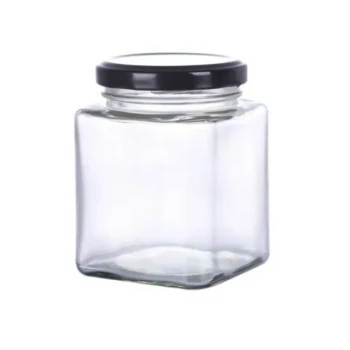
High-quality glass containers are mandatory for honey pollutant analysis because they eliminate the risk of sample contamination from the container itself. Plastic containers often leach plasticizers (PAEs) and bisphenols (BPs), which are the very substances being measured in modern safety protocols. By using chemically inert borosilicate glass, laboratories and distributors ensure that any detected pollutants originate solely from the honey, guaranteeing the accuracy of the results.
To maintain the integrity of honey samples, professional-grade glass is the only choice that prevents chemical migration and preserves the product's natural enzymes and origin markers. This technical standard is essential for any business aiming to verify the purity and botanical origin of high-value honey products.
Protecting Sample Integrity in Professional Analysis
Eliminating Material Migration
When testing for trace pollutants like PAEs and BPs, any contact with plastic materials can skew the data. Plastic containers can release micro-components into the honey, leading to "false positive" results that do not reflect the honey's true quality.
High-quality glass is chemically inert, meaning it does not react with the acidic nature of honey. This ensures that the chemical profile of the sample remains identical from the point of collection to the moment of analysis.
Preserving Chemical and Physicochemical Markers
Honey is a complex biological product containing delicate enzymes and volatile aroma compounds. Glass effectively blocks oxygen and moisture, which are the primary drivers of fermentation and oxidation.
Using glass ensures that enzyme activity and nutritional profiles remain stable. For distributors, this means the sample provided to a lab accurately represents the premium quality of the entire shipment.
The Business Value of High-Quality Glass Sourcing
Maintaining Botanical and Palynological Identity
Professional B2B buyers rely on palynological characteristics (pollen markers) to verify the geographical origin of honey. Glass containers ensure these markers do not react with or adhere to the container walls.
This stability is critical for botanical origin identification. By using glass, wholesalers can confidently provide proof of origin, protecting their brand reputation and meeting strict international trade regulations.
Longevity in the Distribution Chain
In a global supply chain, honey samples may be stored at specific temperatures, such as 4°C, to maintain stability. Glass containers provide superior thermal and chemical stability during these storage periods.
This reliability prevents the absorption of environmental odors or moisture. Our expertise in full-spectrum product portfolios ensures that the packaging used during sampling supports the long-term quality preservation of the product.
Understanding the Trade-offs: Glass vs. Plastic
The Plastic Contamination Risk
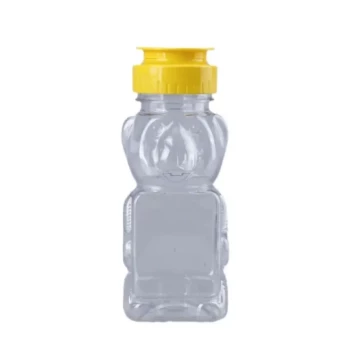
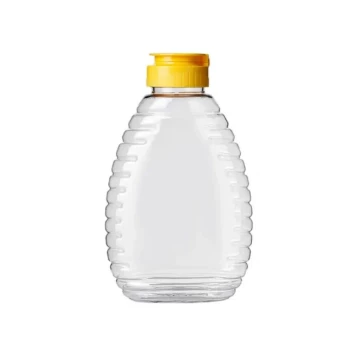
While food-grade plastic is often used for retail, it is unsuitable for high-stakes laboratory analysis. Plastic is more permeable to air and moisture, which can lead to rapid crystallization or spoilage over time.
For pollutant analysis, the main pitfall of plastic is its potential to release microplastics and odors. This compromises the safety requirements for organic products and can lead to rejected batches during quality control.
The Glass Performance Advantage
The primary trade-off for glass is its weight and fragility compared to plastic. However, the safety and airtightness provided by glass are non-negotiable for professional-grade testing.
Glass maintains the original physicochemical indicators and microbial activity of the honey. This makes it the only reliable choice for generating a specimen that stands up to rigorous laboratory scrutiny.
How to Apply This to Your Sourcing Strategy
Providing the right sampling materials is a hallmark of professional industry expertise. Ensuring your supply chain uses high-quality glass protects both the product and your business interests.
- If your primary focus is accurate pollutant testing: Always mandate the use of borosilicate glass to prevent the leaching of PAEs and BPs.
- If your primary focus is verifying botanical origin: Use airtight glass containers to preserve pollen markers and prevent the absorption of external moisture.
- If your primary focus is maintaining premium organic status: Utilize food-grade glass to avoid the release of microplastics and ensure compliance with high safety standards.
By prioritizing high-quality glass for sampling and storage, you ensure that your honey products meet the highest standards of purity and reliability in the global market.
Summary Table:
| Feature | High-Quality Glass (Borosilicate) | Plastic Containers (PAE/BP Risk) |
|---|---|---|
| Chemical Stability | Inert; No reaction with acidic honey | Potential leaching of plasticizers |
| Pollutant Analysis | Prevents false positives (No BPs/PAEs) | High risk of sample contamination |
| Aroma & Enzymes | Preserves volatile compounds & enzymes | High permeability; oxidation risk |
| Origin Markers | Maintains pollen and botanical markers | Markers may adhere to container walls |
| Durability | High thermal and chemical resistance | Prone to degradation and odors |
Scale Your Honey Business with HONESTBEE’s Professional Solutions
At HONESTBEE, we understand that precision in sampling is just the first step toward a successful honey distribution business. As a premier partner for commercial apiaries and B2B distributors, we offer a one-stop sourcing experience for the entire beekeeping value chain.
Why partner with us?
- Comprehensive Portfolio: From specialized hardware like hive-making and honey-filling machines to high-quality consumables and cultural merchandise.
- Industry Expertise: We provide technical support to ensure your products meet global safety standards and preserve botanical integrity.
- Efficient Fulfillment: Benefit from our rapid response times, dedicated customer service, and ultra-fast delivery to keep your supply chain moving.
Contact our expert team today to access premium equipment and streamline your wholesale operations!
References
- Abir Massous, Giuseppa Di Bella. Monitoring Moroccan Honeys: Physicochemical Properties and Contamination Pattern. DOI: 10.3390/foods12050969
This article is also based on technical information from HonestBee Knowledge Base .
Related Products
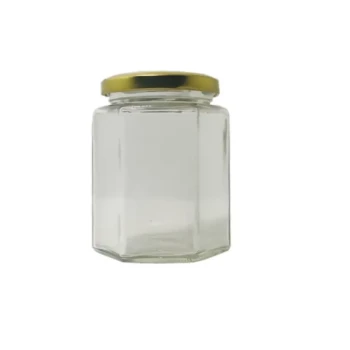
- Hexagonal Glass Honey Jars with Metal Lug Caps Elegant Versatile Packaging
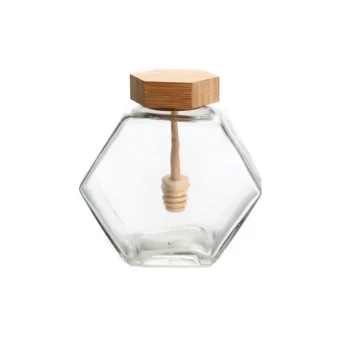
- Hexagonal Glass Honey Jar with Wooden Lid Integrated Dipper Elegant Functional Storage
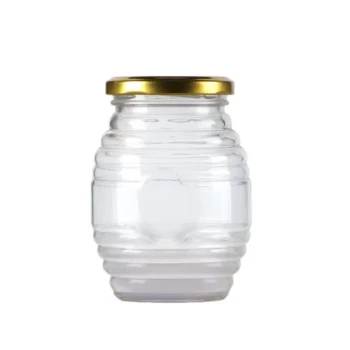
- Classic Glass Honey Jar with Metal Lug Cap for Beehive Storage
- Classic Drum Shaped Glass Honey Jar with Airtight Lid
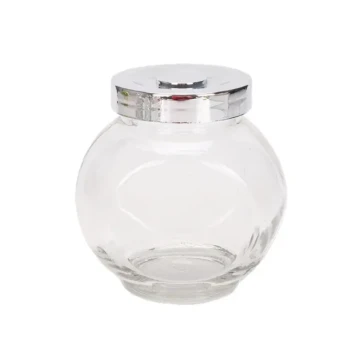
- Classic Round Glass Honey Jar with Lid
People Also Ask
- What is the aesthetic appeal of using glass jars for honey? Elevate Your Brand with Premium Packaging
- What are the logistical challenges associated with using glass jars for honey packaging? Navigating Weight & Fragility
- What are the advantages of glass containers for honey? Elevate Quality and Market Value with Premium Packaging
- What are the technical advantages of using glass jars for honey? Master Commercial Packaging for Premium Purity
- What are the advantages of using glass jars for honey packaging? Preserve Purity & Elevate Your Brand