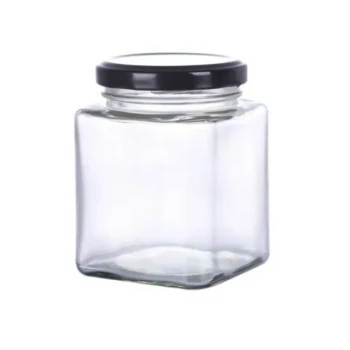
Sample integrity prevents data corruption. You must use sealed glass bottles to effectively isolate honey from environmental moisture, which significantly alters viscosity and increases fermentation risks. Furthermore, strictly avoiding air bubbles during transfer is non-negotiable because bubbles disrupt fluid continuity, causing erratic torque fluctuations and invalidating rheological (flow) test results.
Reliable honey testing depends entirely on preserving the sample's original physicochemical state. Sealed glass protects against the material changes caused by humidity absorption, while a bubble-free medium is the only way to ensure mechanical measurements accurately reflect the honey's true structure rather than transient defects.
The Critical Role of Sealed Glass Containers
Combatting Hygroscopic Action
Honey is highly hygroscopic, meaning it aggressively absorbs moisture from the surrounding air. If the container is not sealed, the honey will pull in environmental humidity.
This absorption alters the sample's fundamental properties, specifically lowering its viscosity. A sealed glass barrier is the primary defense to ensure the moisture content analyzed in the lab matches the moisture content at the production site.
Preventing Fermentation and Degradation
Beyond simple dilution, excess moisture creates a breeding ground for instability. Increased water content activates dormant yeasts, leading to fermentation that ruins the chemical profile of the sample.
High-transparency glass also allows for visual inspection without opening the seal, maintaining the stable micro-environment necessary to inhibit enzymatic reactions. This stability preserves the original quality characteristics required for accurate reporting.
Ensuring Chemical Purity
Glass is chemically inert, unlike many plastics which can leach compounds into the sample. Using food-grade sterile glass prevents the introduction of external chemical impurities.
It also acts as a robust barrier against microbial contamination, protecting the biological activity of the honey prior to analysis.
The Physics of Air Bubbles and Rheology
Maintaining Fluid Continuity
Rheological testing measures how a liquid flows and deforms under stress. For these measurements to be valid, the sample must be a continuous, solid medium.
Air bubbles introduce void spaces within the honey, breaking this continuity. When a testing instrument encounters a bubble, it is no longer measuring the honey, but a pocket of air.
Eliminating Torque Fluctuations
In rotational testing, the instrument measures the torque (force) required to stir or rotate within the fluid. Air bubbles cause sudden drops in resistance.
These disruptions lead to torque fluctuations and reading deviations. These artifacts make it impossible to achieve measurement repeatability, rendering the data useless for assessing texture or flow behavior.
Common Pitfalls and Trade-offs
The Risk of Improper Transfer
The transfer process is the moment of highest risk for introducing errors. Pouring honey too quickly or from too high a distance entrains air that is difficult to remove due to honey's high viscosity.
Glass vs. Plastic Limitations
While plastic containers are cheaper and lighter, they are often semi-permeable to air and moisture over time.
Relying on plastic for long-term storage or transport can lead to subtle shifts in physicochemical properties that glass would otherwise prevent. However, glass requires careful handling to prevent breakage during transport, which is a logistical trade-off for data accuracy.
Ensuring Accuracy for Your Specific Goal
To get the most reliable data from your honey samples, align your handling protocols with your testing objectives:
- If your primary focus is Rheological Testing (Texture/Flow): Prioritize the transfer method above all else; pour slowly along the side of the vessel to prevent air entrapment that causes torque errors.
- If your primary focus is Chemical or Origin Analysis: Prioritize the seal integrity and material choice; use glass to prevent moisture absorption that distorts viscosity and fermentation markers.
Treat the sampling container not just as a vessel, but as a critical component of the measurement instrument itself.
Summary Table:
| Factor | Requirement | Impact on Testing |
|---|---|---|
| Container Material | Sealed Glass | Prevents hygroscopic moisture gain and chemical leaching. |
| Atmospheric Exposure | Hermetic Seal | Inhibits fermentation and maintains original viscosity. |
| Fluid Continuity | Bubble-Free | Ensures stable torque readings and measurement repeatability. |
| Sample Purity | Inert/Sterile | Protects biological activity and chemical profile integrity. |
Elevate Your Honey Quality Control with HONESTBEE
Precision in testing starts with the right equipment. At HONESTBEE, we specialize in supporting commercial apiaries and distributors with high-grade beekeeping tools and industrial machinery. Whether you need specialized hardware like honey-filling machines designed to minimize aeration or professional-grade storage solutions, our comprehensive wholesale offering ensures your honey maintains its premium value from hive to lab.
Ready to optimize your production and testing workflow? Contact our experts today to discover how our tailored equipment solutions can enhance your efficiency and product integrity.
References
- Francisco Klebson Gomes dos Santos, Thiago Alves Santos de Oliveira. Rheological and some physicochemical characteristics of selected floral honeys from plants of caatinga. DOI: 10.1590/0001-3765201420130064
This article is also based on technical information from HonestBee Knowledge Base .
Related Products
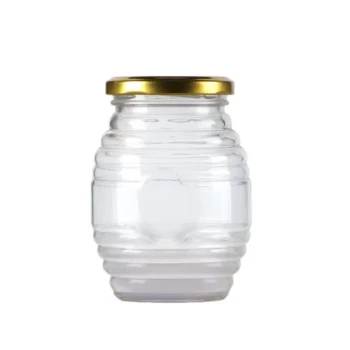
- Classic Glass Honey Jar with Metal Lug Cap for Beehive Storage
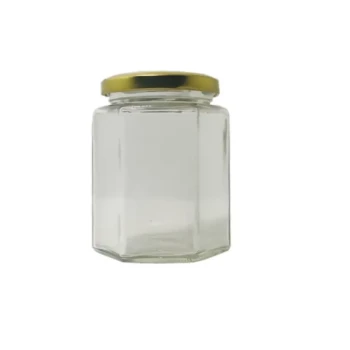
- Hexagonal Glass Honey Jars with Metal Lug Caps Elegant Versatile Packaging
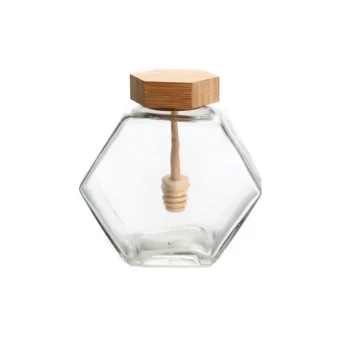
- Hexagonal Glass Honey Jar with Wooden Lid Integrated Dipper Elegant Functional Storage
- Classic Drum Shaped Glass Honey Jar with Airtight Lid
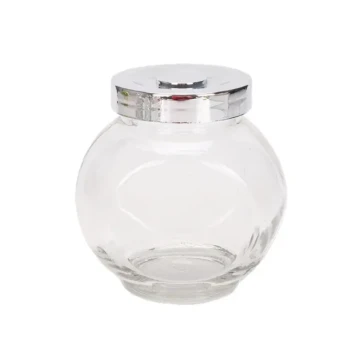
- Classic Round Glass Honey Jar with Lid
People Also Ask
- What are the benefits of glass jars regarding strength and safety for storing honey? Ensure Purity and Long-Term Quality
- What are the advantages of using glass jars for honey storage? Ensure Purity and Premium Appeal for Your Product
- What are the benefits of using high-transparency Glass Jars for honey? Elevate Purity and Premium Branding
- What is the aesthetic appeal of using glass jars for honey? Elevate Your Brand with Premium Packaging
- Which container is best for storing honey? Preserve Purity & Flavor with the Right Choice