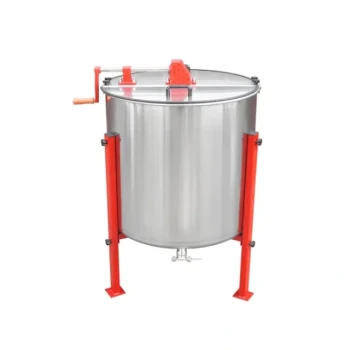
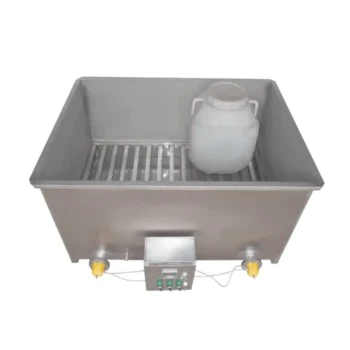
The chemical composition of stingless bee honey mandates the use of industrial food-grade stainless steel. Because this honey has a naturally low pH (3.2 to 4.5) and high moisture content, it is highly corrosive to standard metals. Utilizing high-specification alloys like 316 stainless steel is the only way to prevent acidic erosion and ensure that toxic metal ions do not migrate into the final product.
Core Takeaway: To maintain the medicinal integrity and export-readiness of stingless bee honey, processing equipment must utilize acid-resistant, food-grade stainless steel. This prevents heavy metal contamination and ensures compliance with global safety standards like HACCP.
The Chemistry of Stingless Bee Honey Acidity
The Corrosive Nature of Organic Acids
Stingless bee honey contains a high concentration of natural organic acids that contribute to its unique flavor and antimicrobial properties. These acids create a volatile environment that can quickly degrade reactive metal surfaces.
High Moisture and Fermentation Risks
Unlike traditional honey, stingless bee honey has a higher moisture content, making it more prone to fermentation. This biological activity can further increase acidity, necessitating equipment that can withstand prolonged exposure to a low-pH environment without pitting or corroding.
The Role of 316 Stainless Steel
While many industries use 304 stainless steel, the stingless bee honey sector frequently requires 316 stainless steel. This specific alloy offers superior resistance to acetic and gluconic acids, providing the durability needed for long-term storage and high-volume mixing.
Preventing Heavy Metal Migration and Contamination
The Risk of Chemical Leaching
When acidic honey contacts non-compliant materials like aluminum, galvanized steel, or low-quality alloys, a chemical reaction occurs. This reaction triggers the leaching of heavy metals—including lead, zinc, and chromium—directly into the honey.
Protecting Biochemical Stability
The therapeutic value of stingless bee honey relies on its complex biochemical activity. Metal ion migration doesn't just pose a health risk; it can also catalyze oxidation, altering the honey's color, flavor, and medicinal potency.
Ensuring Sensory Quality
Maintaining the premium sensory profile of the honey is critical for B2B resellers. Stainless steel provides an inert contact surface, ensuring the "clean" taste and aroma that high-end distributors demand for their clients.
Compliance and Operational Efficiency
Meeting International Export Standards
For wholesalers targeting global markets, compliance with HACCP and ISO standards is non-negotiable. Industrial-grade stainless steel equipment is the foundation for obtaining the health permits and export certifications required for international trade.
Ease of Sanitization and Sterilization
Stainless steel features a non-porous, smooth surface that resists microbial buildup. This allows for rapid, thorough cleaning and high-temperature disinfection, which is essential for maintaining the stability of functional food products.
Long-Term Durability for High-Volume Processing
From a sourcing perspective, investing in industrial-grade equipment reduces the total cost of ownership. These materials withstand frequent washing and the abrasive nature of industrial mixing, ensuring a reliable supply chain with minimal downtime.
Understanding the Trade-offs
Initial Investment vs. Long-Term Liability
The primary trade-off is the higher upfront cost of food-grade stainless steel compared to cheaper plastic or lower-grade metal alternatives. However, using inferior materials can lead to entire batch rejections due to metal contamination, resulting in massive financial losses and damaged brand reputations.
Maintenance Requirements
While stainless steel is highly durable, it is not "maintenance-free." Even high-grade equipment requires specific cleaning protocols to prevent "tea staining" or localized corrosion if high-chloride sanitizers are used improperly.
How to Apply This to Your Sourcing Strategy
Making the Right Choice for Your Goal
- If your primary focus is international export: Ensure all storage tanks and filling lines are strictly 316-grade stainless steel to pass rigorous heavy metal testing in overseas markets.
- If your primary focus is rapid market entry: Source from partners offering a one-stop, full-spectrum product portfolio of pre-certified stainless equipment to reduce your lead times and compliance hurdles.
- If your primary focus is product shelf-life: Prioritize equipment that integrates temperature control with acid-resistant liners to inhibit fermentation while protecting the metal integrity.
By insisting on industrial food-grade stainless steel, distributors secure a premium, compliant, and stable product that meets the exacting demands of the global health food market.
Summary Table:
| Feature | Requirement | Benefit for B2B Resellers |
|---|---|---|
| Material Grade | 316 Food-Grade Stainless Steel | Superior resistance to acidic honey (pH 3.2-4.5). |
| Contamination Control | Zero Heavy Metal Leaching | Ensures product safety and prevents batch rejections. |
| Compliance | HACCP & ISO Standards | Simplifies international export and health certifications. |
| Durability | Non-porous & Corrosion-resistant | Long-term reliability with lower total cost of ownership. |
| Product Integrity | Inert Contact Surface | Maintains medicinal potency and premium sensory profile. |
Scale Your Honey Business with HONESTBEE®
Protect your product’s medicinal integrity and maximize your market reach with HONESTBEE. We specialize in supporting commercial apiaries and B2B distributors with a comprehensive, one-stop sourcing portfolio of premium beekeeping machinery and tools.
Why Global Distributors Choose HONESTBEE:
- High-Spec Equipment: Our honey-filling and processing machines utilize industrial food-grade 316 stainless steel to ensure zero contamination.
- Boost Your Margins: Benefit from competitive wholesale pricing and dedicated OEM/ODM support tailored to your brand.
- Unmatched Efficiency: Experience ultra-fast delivery and rapid response times to keep your supply chain seamless.
- Expert Support: Leverage our deep professional industry expertise to navigate international safety standards effortlessly.
Ready to upgrade your processing line? Contact our expert team today to receive a customized quote and see how we can drive your business growth!
References
- Tatiana Regina Vieira, Saionara Araújo Wagner. Caracterização físico-química e botânica do mel de abelhas sem ferrão (Meliponini), de ocorrência no Vale do Taquari – RS, objetivando edição de RTIQ. DOI: 10.33448/rsd-v12i3.40846
This article is also based on technical information from HonestBee Knowledge Base .
Related Products
- 6 Frame Manual Stainless Steel Honey Extractor Beekeeping Equipment
- Professional Stainless Steel Honey Filtering Machine with Water Bath Heating for Beekeeping
- HONESTBEE 2 Frame Manual Acrylic Honey Extractor Beekeeping Equipment
- Stainless Steel Manual 8 Frame Radial Honey Extractor Machine for Beehives
- Stainless Steel Double Layer Honey Strainer Sieve Filters
People Also Ask
- How do you manually extract honey? Choose the Best Method for Your Hive
- What is a manual honey extractor? The Essential Guide to Cost-Effective Beekeeping for Beginners
- Why are manual extractors popular among beginner beekeepers? A Guide to Starting Simple & Saving Money
- What are the disadvantages of a manual honey extractor? Overcome Efficiency Bottlenecks in Your Apiary
- Which type of honey extractor is generally more durable? Focus on Material & Build Quality for Longevity