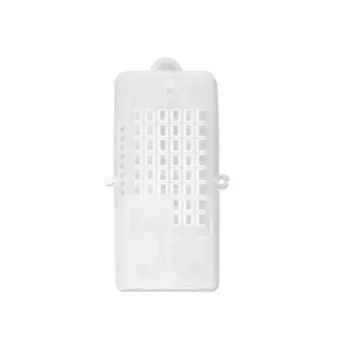
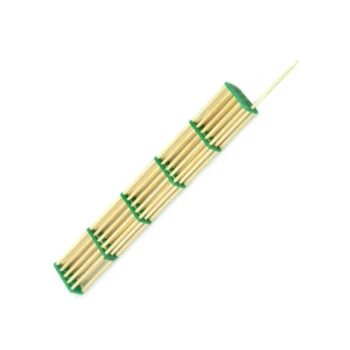
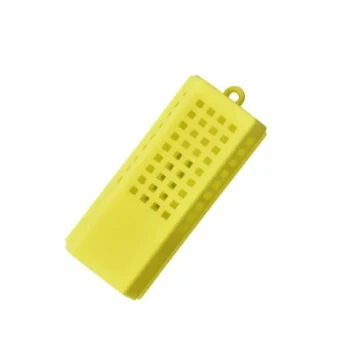
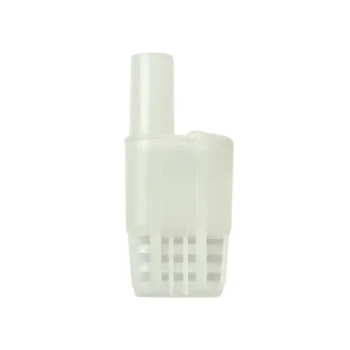
Orienting the queen cage correctly is a critical mechanical safeguard. A 45-degree angle with the food side pointing upwards utilizes gravity to ensure that any attendant bees dying inside the cage fall to the bottom, away from the exit. This prevents their bodies from blocking the passage, ensuring the queen can exit freely once the colony eats through the candy plug.
By pointing the candy end upward, you use gravity to keep the exit clear. This prevents dead attendants from physically plugging the release hole, ensuring the queen is freed based on the colony’s acceptance rate rather than being trapped by debris.
The Mechanics of a Safe Release
Dealing with Attendant Mortality
Queen cages often contain a few "attendant" bees to care for the queen during transit. These bees are under high stress and may die before the queen is released.
Preventing Physical Obstruction
If an attendant bee dies, its body becomes an obstruction. You must ensure this obstruction does not block the only exit route the queen has.
Utilizing Gravity
By angling the cage, you ensure that gravity pulls any dead bees or debris down to the bottom of the cage. If the exit hole is at the top, the path remains clear.
Correct Positioning in the Hive
Why the Food Side Must be "Up"
The food (candy) acts as the timer for the queen's release. Once the hive eats through this candy, the hole becomes the exit. Therefore, the candy side must be the highest point of the cage to prevent blockage by falling debris.
Placement for Maximum Pheromone Distribution
The cage should be suspended between two frames in the center of the brood box. This central location ensures the queen's pheromones circulate effectively, encouraging the colony to accept her.
Securing the Cage
Use the pressure between the two frames to hold the cage in place. Alternatively, a rubber band or thumbtack can secure the cage to a frame, provided the screen remains exposed to the hive.
Common Pitfalls to Avoid
The Danger of "Candy Down" Orientation
If you position the cage with the candy facing down, dead attendant bees will fall directly onto the candy plug. This blocks the exit, trapping the queen inside even after the candy is consumed, which often leads to her death.
Forgetting the Cork
Before installation, verify the cage setup. If a cork protects the candy, remove it to expose the food; otherwise, the bees cannot release the queen.
Incorrect Plug Usage
If your cage lacks a candy plug, you must create a delay mechanism. A mini marshmallow can serve as a substitute plug, allowing time for pheromone acceptance before the bees eat through it.
Ensuring a Successful Introduction
- If your primary focus is a Standard Release: Ensure the cork is removed, the candy is exposed, and the candy end is angled upward to prevent blockage.
- If your primary focus is a Delayed Release (No Candy): Remove the cork and insert a mini marshmallow to act as a temporary timer, still maintaining the 45-degree angle.
Correct orientation is a small detail that makes the difference between a trapped queen and a thriving colony.
Summary Table:
| Feature | Recommendation | Rationale |
|---|---|---|
| Orientation Angle | 45 Degrees | Uses gravity to keep the exit clear of debris. |
| Candy/Food Side | Facing Upwards | Prevents dead attendants from blocking the exit hole. |
| Placement | Center of Brood Box | Maximizes pheromone distribution for faster acceptance. |
| Security Method | Frame Pressure/Rubber Band | Keeps cage stable while keeping the screen exposed. |
| Release Timer | Candy Plug or Marshmallow | Controls the timing of the queen's introduction. |
Maximize Your Apiary Productivity with HONESTBEE
At HONESTBEE, we understand that every detail—from queen orientation to the quality of your equipment—impacts the success of your colony. As a dedicated partner to commercial apiaries and distributors, we provide a comprehensive wholesale range of beekeeping tools, specialized hardware, and essential industry consumables.
Whether you need precision honey-filling machines, professional-grade hive-making machinery, or high-quality hardware to support your growth, our portfolio is designed to deliver reliability and efficiency at scale.
Ready to elevate your beekeeping operation? Contact us today to explore our wholesale solutions
Related Products
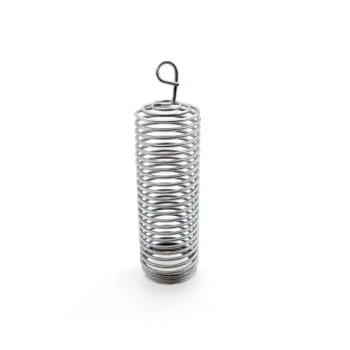
- Durable Galvanized Steel Spring Queen Bee Cage
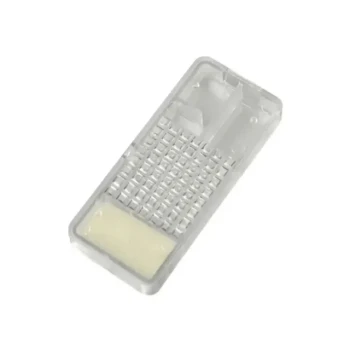
- Professional Queen Bee Introduction and Transport Cage
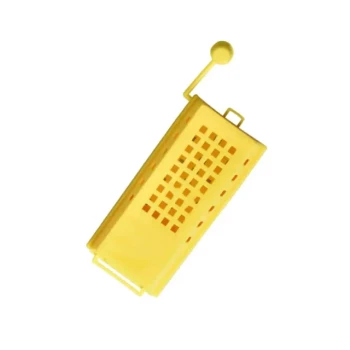
- Professional Queen Cage with Sliding Gate and Feeder Plug
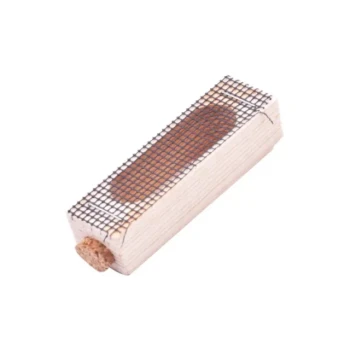
- Classic Wooden and Mesh California Queen Cage
- Professional Multi-Functional Queen Bee Cage
People Also Ask
- Why are specialized queen bee cages used for the banking of mated queen bees? Maximize Commercial Apiary Storage Efficiency
- What is the mechanism of action for using temporary queen bee cages? Master Successful Queen Introduction
- What is the step-by-step process for installing a queen bee's cage onto a frame? Ensure Hive Acceptance Safely
- What is the optimal placement for a queen bee cage? Essential Strategies for Successful Re-queening
- What are the advantages and disadvantages of introducing a queen bee by embedding the cage? Boost Your Queen Acceptance