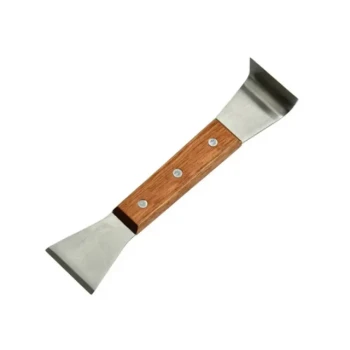
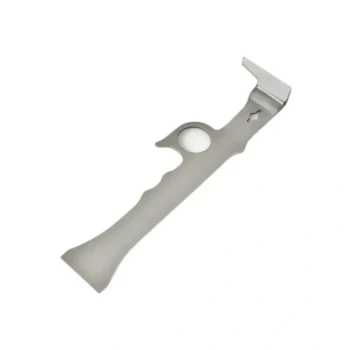
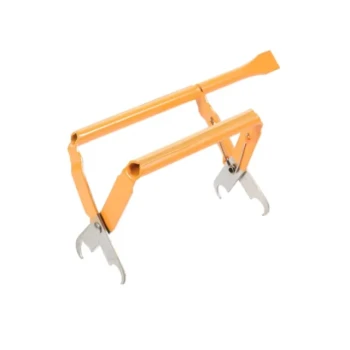
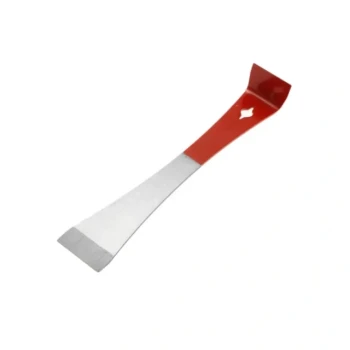
Metal beekeeping tools must be excluded from ozone disinfection procedures because ozone is a fundamentally highly oxidative gas. When exposed to ozone, most metals undergo a chemical reaction that causes immediate surface corrosion and oxidation, effectively degrading the equipment rather than simply cleaning it.
Ozone is a powerful sterilization agent for organic hive materials, but its chemical properties are destructive to metallic equipment. To preserve the lifespan and mechanical function of your tools, you must separate them from wooden, plastic, and wax components during fumigation.
The Mechanism of Damage
High Oxidative Potential
Ozone disinfection relies on strong oxidizing properties to eliminate pathogens. While this is beneficial for biological sanitation, this same characteristic attacks the atomic structure of metal surfaces.
The gas reacts with the metal to create oxides. This reaction is not merely cosmetic; it fundamentally alters the surface of the material, leading to rust and degradation.
Compromising Mechanical Integrity
The primary risk of including metal tools in these procedures is the loss of structural soundness.
Beekeeping tools, such as hive tools and smokers, rely on durability and smooth operation. Corrosion caused by ozone can weaken these tools or cause moving parts to seize, rendering them useless for field work.
Safe Materials for Ozone Treatment
Focus on Porous Materials
According to standard protocols, ozone treatments should be strictly limited to wooden structures and wax combs.
These materials are often the hardest to disinfect using liquid chemicals due to their porous nature. Ozone penetrates these materials effectively to kill pathogens without damaging the structural fibers or the wax matrix.
Plastic Components
Plastic parts within the apiary equipment are generally compatible with ozone fumigation.
Unlike metal, high-quality plastics used in beekeeping do not typically react negatively to the oxidative stress of ozone, allowing for safe sterilization alongside wooden frames.
Understanding the Operational Trade-offs
Deep Sterilization vs. Material Selectivity
Ozone offers a distinct advantage in apiary hygiene because it provides deep sterilization that is residue-free and non-polluting.
It effectively kills pathogens that cause infectious bee diseases, ensuring high biological security for the colony.
The Necessity of Sorting
The trade-off for this high-level hygiene is the operational burden of sorting equipment.
You cannot indiscriminately fumigate an entire kit of beekeeping supplies. Failure to separate metal tools from the batch negates the benefits of sterilization by destroying the equipment you use to manage the hives.
Making the Right Choice for Your Equipment
To maintain a hygienic apiary without sacrificing your tools, apply the following material-based protocols:
- If your primary focus is wooden hives and wax combs: Utilize ozone disinfection to achieve deep, residue-free sterilization that penetrates porous surfaces and eliminates pathogens.
- If your primary focus is metal tools (hive tools, smokers): Exclude these strictly from ozone chambers and utilize alternative sterilization methods, such as heat or alcohol, to prevent corrosion.
By respecting the chemical limits of ozone, you ensure the biological safety of your bees while protecting the mechanical longevity of your gear.
Summary Table:
| Material Type | Ozone Compatibility | Recommended Disinfection Method | Effects of Ozone |
|---|---|---|---|
| Wood & Wax | High | Ozone Fumigation | Deep penetration, residue-free sterilization |
| Plastics | High | Ozone or Liquid Sanitizers | Stable, no chemical degradation |
| Metal Tools | Low (Avoid) | Heat or Alcohol | Severe oxidation, surface rust, structural damage |
| Smokers | Low (Avoid) | Manual Cleaning/Heat | Mechanical failure, seizing of moving parts |
Maximize Your Apiary Productivity with HONESTBEE
At HONESTBEE, we understand that commercial apiaries and distributors require more than just tools—they need durable, high-performance solutions that withstand the rigors of the industry. From advanced honey-filling machines and hive-making equipment to our full spectrum of wholesale beekeeping consumables, we provide everything your business needs to thrive.
Don't let equipment degradation slow down your operations. Partner with a supplier that offers expert guidance on tool maintenance and provides the specialized hardware necessary for large-scale success.
Ready to upgrade your commercial beekeeping setup? Contact us today to explore our wholesale catalog and customized machinery solutions!
References
- Rosa María Licón Luna. Heat and Ozone Use in Beekeeping Practices. DOI: 10.1080/0005772x.2018.1552492
This article is also based on technical information from HonestBee Knowledge Base .
Related Products
- Professional Dual-End Stainless Steel Hive Tool for Beekeeping
- Stainless Steel J Hook Hive Tool for Beekeeping
- HONESTBEE Advanced Ergonomic Stainless Steel Hive Tool for Beekeeping
- Durable Galvanized Steel Frame Grip
- Professional Stainless Steel J-Hook Hive Tool
People Also Ask
- What specific challenges do beekeeping hive tools address during hive maintenance? Essential Solutions for Apiaries
- Why are professional hive tools considered indispensable? Master Beekeeping Maintenance with Precision Leverage
- What is the role of professional hive tools in routine apiary maintenance? Expert Tips for Hive Health and Longevity
- What role do professional beehives and beekeeping tools play in honey prosumption? Scale yield & commercial success.
- What are the primary functions of a stainless steel hive tool? Essential Equipment for Professional Beekeeping