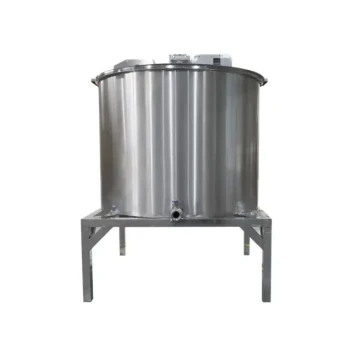
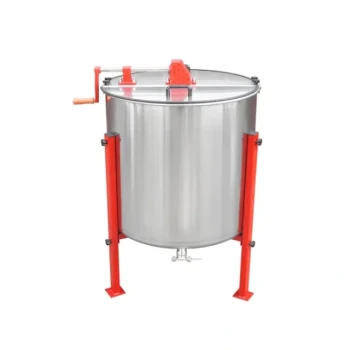
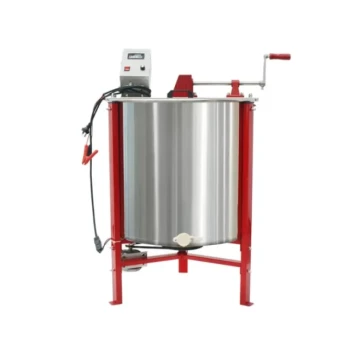
The efficient operation of honey processing machinery depends entirely on raw material volume. Naturalized tree species, specifically high-performing varieties like Robinia pseudoacacia, provide exceptional nectar value often rated at "Level 4." Prioritizing these species in afforestation projects ensures the high density of honey production required to keep expensive extraction and processing assets operating at their maximum intended capacity.
Core Insight High-capacity machinery requires high-volume input to be economically viable. By planting naturalized species with superior nectar ratings, you bridge the gap between biological potential and mechanical efficiency, optimizing the return on your fixed asset investments.
The Economics of Nectar Flow
The Role of Naturalized Species
To justify the operational costs of industrial beekeeping, the biological source must be prolific. Naturalized tree species are distinct in their ability to offer exceptional nectar value.
Specific species, such as Robinia pseudoacacia, are typically rated at Level 4 for nectar contribution. This rating indicates a top-tier ability to support honey production compared to native or lower-yield vegetation.
Maximizing Yield per Unit of Land
In large-scale afforestation efforts, the choice of species dictates the total output potential of the land.
By prioritizing high-efficiency naturalized species, you maximize the honey tonnage produced per acre. This density is critical for creating a supply chain robust enough to support industrial operations.
Optimizing Machinery Utilization
Reducing Asset Idle Time
Honey extraction machinery and large-scale processing equipment represent significant fixed assets. These assets depreciate and cost money regardless of whether they are running or idle.
If the nectar source is sparse, the machinery runs intermittently or below capacity, driving up the cost per kilogram of processed honey. High-yield naturalized trees ensure a consistent flow of raw material to keep these lines moving.
Aligning Capacity with Input
Equipment is designed with a specific "maximum intended capacity." Operating below this threshold is an inefficiency that erodes profit margins.
The massive nectar output from species like Robinia pseudoacacia allows operators to push their machinery to its designed limits. This alignment ensures that the capital investment in technology is fully utilized.
Understanding the Operational Trade-offs
The Necessity of Scale
Reliance on high-capacity machinery creates a dependency on high-volume production.
You cannot maximize the return on large equipment without the specific biological assets (Level 4 trees) to support it. If afforestation efforts fail to prioritize these specific high-yield species, the processing infrastructure becomes an over-expenditure relative to the output.
The Specificity of Species Selection
Not all trees support this economic model.
Success relies strictly on selecting species with high nectar ratings. General reforestation without focusing on nectar value will fail to generate the volume needed to justify large-scale processing investments.
Strategic Planning for Beekeeping Operations
To ensure your biological and mechanical assets work in concert, consider the following strategic priorities:
- If your primary focus is Equipment ROI: Prioritize planting Level 4 naturalized species to ensure volume matches machinery capacity.
- If your primary focus is Land Management: Select species like Robinia pseudoacacia to maximize the caloric and economic output per unit of land.
True operational efficiency is achieved only when the biological productivity of the land rises to meet the mechanical capacity of your processing facility.
Summary Table:
| Key Factor | Detail | Economic Impact |
|---|---|---|
| Top Species | Robinia pseudoacacia | High-density honey production |
| Nectar Rating | Level 4 (Superior Value) | Maximizes tonnage per acre |
| Asset Management | Fixed Asset Utilization | Reduces equipment idle time and depreciation |
| Operational Goal | Capacity Alignment | Lowers processing cost per kilogram |
Scale Your Apiary Operations with HONESTBEE
To turn biological potential into commercial profit, you need robust infrastructure that can handle high-volume nectar flows. HONESTBEE specializes in supporting commercial apiaries and global distributors with a comprehensive range of professional solutions.
From high-capacity honey extraction and filling machines to industrial hive-making equipment and essential consumables, we provide the tools you need to maximize your machinery ROI. Whether you are scaling an industrial honey production line or sourcing wholesale beekeeping hardware, our expertise ensures your mechanical capacity matches your output goals.
Ready to optimize your production? Contact our specialists today to explore our wholesale machinery and tools.
References
- Karen Koelzer, Michael Weber. Trees Are a Major Foraging Resource for Honeybees in the City. DOI: 10.3390/plants13213094
This article is also based on technical information from HonestBee Knowledge Base .
Related Products
- Electric Double Wall Honey Filtering Machine Purifier Equipment for Honey Processing Plant
- Honey Concentrating and Filtering Dehumidifier Machine 2T Capacity for Honey
- Stainless Steel Manual 8 Frame Radial Honey Extractor Machine for Beehives
- 32 Frame Commercial Electric Honey Extractor for Beekeeping and Honey Production
- Double Wall Honey Heating Stirring Homogenizer Mixing Machine with Various Capacity
People Also Ask
- What is the process of filtering honey? A Guide to Clean, Pure, and Market-Ready Honey
- What types of equipment are used in honey filtering? Build an Efficient System for Pure, Marketable Honey
- What is the overall importance of using the right equipment in honey filtering? Boost Quality & Marketability
- What are the benefits of drying honey filtering equipment after use? Protect Your Honey Quality & Equipment Investment
- Why is filtering important in honey processing, and what equipment is used? A Guide to Quality & Efficiency