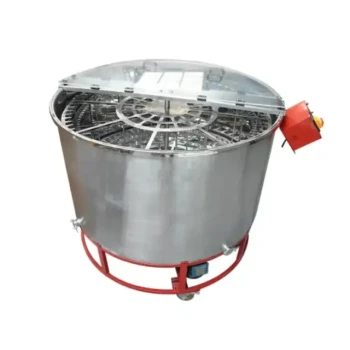
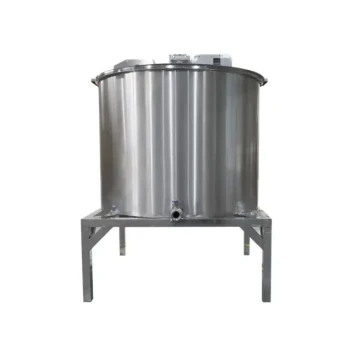
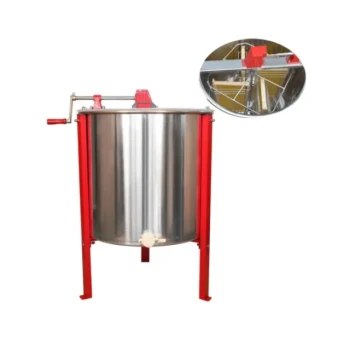
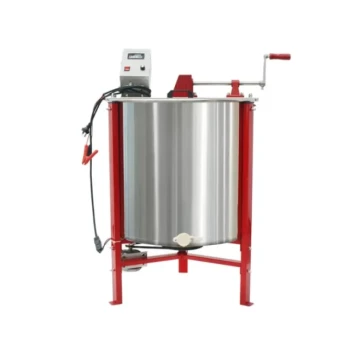
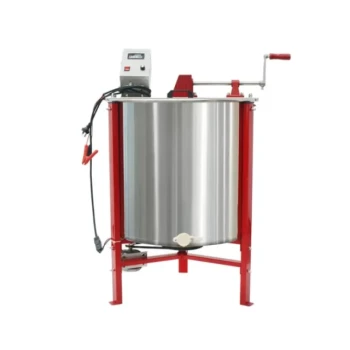
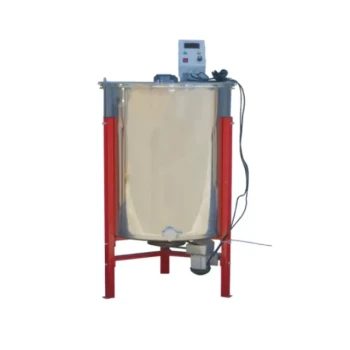
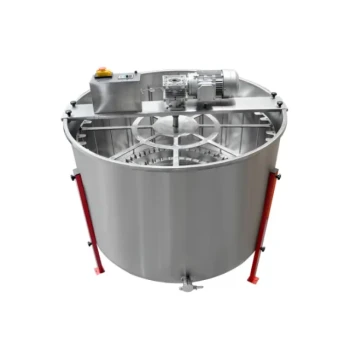
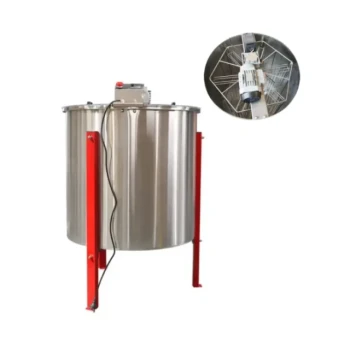
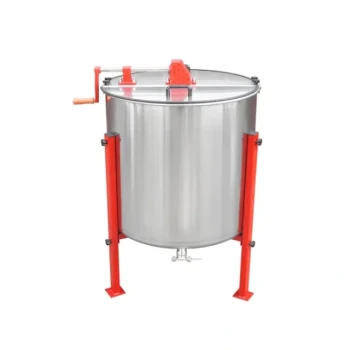
The adaptability of automated honey extractors is rooted primarily in their adjustable settings, which transform a standard motor into a precision instrument. Rather than applying a single, static force, these machines allow beekeepers to fine-tune the extraction parameters to match the specific characteristics of the honey and the fragility of the comb.
Core Takeaway: Automated extractors are not just about saving labor; they are about customized precision. By modulating speed and duration, they maximize honey yield while protecting the honeycomb for future reuse.
The Mechanics of Customization
The primary value of automation is the ability to tailor the process to the variable conditions found in the hive.
Handling Different Honey Viscosities
Not all honey flows the same way. The viscosity can change based on the floral source, moisture content, and ambient temperature.
Adjustable settings allow the operator to modify the extraction force. Thicker honeys require sustained, higher centrifugal force, while thinner varieties can be extracted with gentler settings.
Protecting Comb Integrity
The age and construction of the honeycomb dictate how much stress it can endure.
Newer, softer wax is highly susceptible to "blowouts" if spun too aggressively. Older, darker comb is more rigid and can withstand higher speeds. Automated controls allow you to dial in the exact force needed to extract the honey without destroying the structure.
Sustainability Through Precision
The deeper goal of using an extractor—whether manual or automated—is sustainable harvesting.
Preserving the Resource
As noted in beekeeping best practices, the extractor’s role is to separate honey without damaging the comb.
This preservation is critical because it allows bees to reuse existing combs immediately. This saves the colony the immense energy required to secrete new wax, thereby increasing future honey production rates.
Consistent Yields
Manual extraction is subject to human variance—one frame might be spun too fast, another too slow.
Automation removes this variable. Once the ideal setting for a batch is found, the machine replicates it perfectly, ensuring maximum extraction efficiency while maintaining the necessary safety margin for the wax.
Understanding the Trade-offs
While adjustable settings offer significant advantages, they introduce complexity that must be managed.
The Complexity Curve
More adaptability often means a steeper learning curve.
A machine with granular controls requires the operator to understand the physics of extraction. If you misjudge the settings—applying high speed to a warm, soft comb, for example—automation can destroy frames faster than a hand crank would.
Maintenance and Reliability
Adding electronic controls and sensors to a sticky, humid environment creates potential points of failure.
Manual extractors are mechanically simple. Automated units with advanced settings require distinct maintenance protocols to ensure the electronics remain calibrated and clean.
Making the Right Choice for Your Goal
When selecting or configuring an automated extractor, consider your specific operational needs.
- If your primary focus is preserving delicate or new wax: Prioritize machines with "soft start" or gradual acceleration settings to prevent shock damage to the comb.
- If your primary focus is high-volume production: Look for machines with programmable presets that allow you to switch quickly between aggressive cycles for old comb and gentle cycles for new comb.
True adaptability comes not from the motor itself, but from the control you exercise over it.
Summary Table:
| Feature | Key Benefit | Ideal Application |
|---|---|---|
| Adjustable Speed | Manages varying honey viscosities | High-moisture vs. thick floral honeys |
| Controlled Acceleration | Prevents "blowouts" in delicate wax | New, soft, or freshly drawn honeycomb |
| Programmable Presets | Ensures consistent batch extraction | Large-scale commercial processing |
| Precision Timing | Maximizes yield while saving energy | Maximizing reuse of existing combs |
Elevate Your Commercial Apiary with HONESTBEE
Are you looking to scale your production and ensure the highest honey quality? HONESTBEE specializes in serving commercial apiaries and distributors with premium wholesale solutions. From advanced automated honey extractors and honey-filling machines to specialized hive-making hardware and essential industry consumables, we provide the full spectrum of equipment your business needs to thrive.
Why partner with HONESTBEE?
- Full-Spectrum Equipment: Access the latest beekeeping tools and industrial machinery.
- Wholesale Value: High-volume pricing designed for distributors and large-scale operations.
- Industry Portfolio: From specialized hardware to honey-themed cultural merchandise.
Ready to enhance your operational efficiency? Contact our team today to discuss your wholesale needs!
Related Products
- HONESTBEE 72 Frame Industrial Electric Honey Extractor for Beekeeping
- 32 Frame Commercial Electric Honey Extractor for Beekeeping and Honey Production
- Commercial Electric 12 Frame Honey Extractor Spinner Motorized Honey Extractor
- HONESTBEE 4 Frame Manual Self Reversing Honey Extractor for Beekeeping
- Stainless Steel Manual 8 Frame Radial Honey Extractor Machine for Beehives
People Also Ask
- What is the importance of balancing honeycomb frames within a honey extractor? Ensure Stability and Protect Machinery
- How is honey separated from the frames after they are uncapped? Efficient Extraction Methods for High Yields
- What are the main benefits of using a honey extractor? Maximize Yields and Protect Your Honeycomb
- What are the recommended methods for removing honey from the honeycomb? Top Extraction Techniques for Maximum Efficiency
- How do manual honey extractors compare to electric honey extractors? Choosing the Right Tool for Your Apiary Growth