Toggle Categories
Get Instant Support
Choose your preferred way to connect with our team
-
Get Free Quote Fill out form for detailed pricing
-
Send Email Detailed inquiry support
-
WhatsApp Quick mobile chat
Response Time
Within 8 hours on working days, 24 hours on holidays






Hives & Components

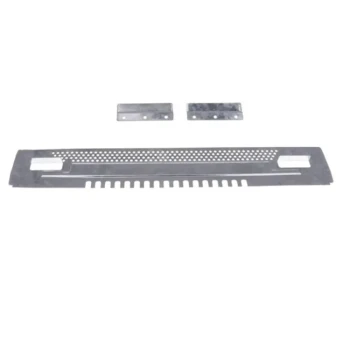
Australian Pine Wood Langstroth Screen Bottom Board for Wholesale
Item Number: HBB-4

HONESTBEE Ergonomic Spring Loaded Frame Wire Crimper
Item Number: WT-1
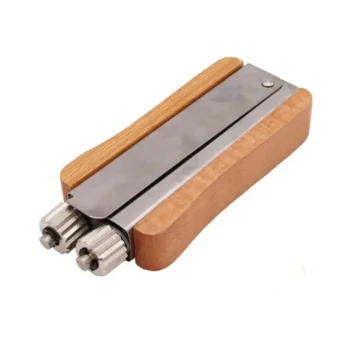
HONESTBEE Durable Ergonomic Wooden Handle Frame Wire Crimper
Item Number: WT-2

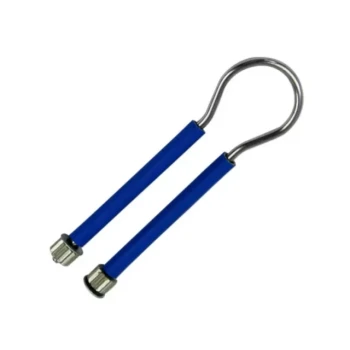
HONESTBEE Loop Handle Frame Wire Crimper
Item Number: WT-4
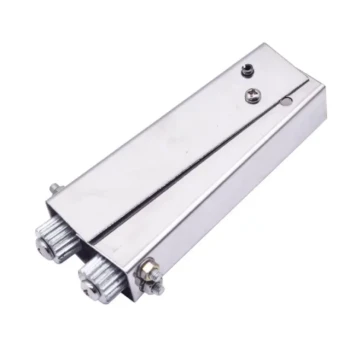
HONESTBEE Heavy Duty All Metal Frame Wire Crimper Tool
Item Number: WT-5
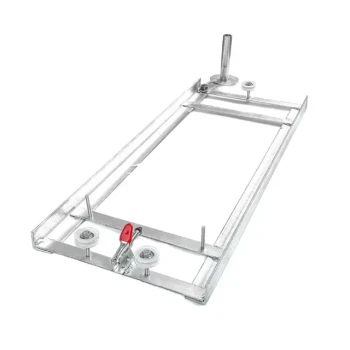
HONESTBEE Professional Frame Wiring Board and Jig
Item Number: WT-6
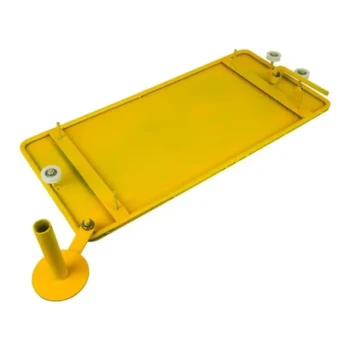
HONESTBEE Durable Frame Wiring Board with Integrated Tensioner
Item Number: WT-7
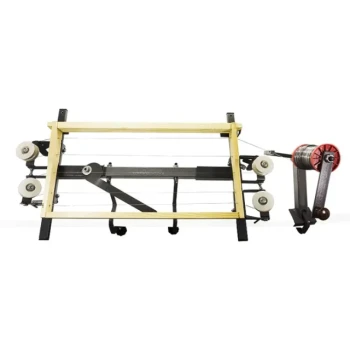

Professional Frame Preparation: The HONESTBEE Electric Wire Embedder
Item Number: WE-8


HONESTBEE Adjustable Voltage Wire Embedder with Digital Display
Item Number: WE-10
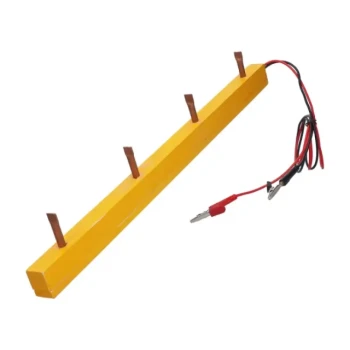
HONESTBEE Wooden Bar Copper Prong Wire Embedder for Battery Operation
Item Number: WE-9

HONESTBEE AC Powered Wire Embedder with Alligator Clips
Item Number: WE-7
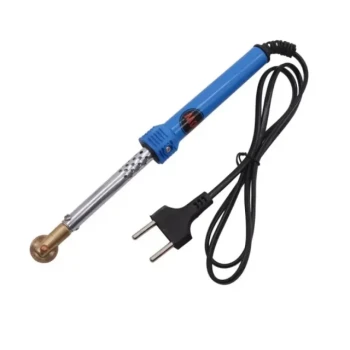
HONESTBEE Soldering Iron Style Spur Wheel Wire Embedder
Item Number: WE-5
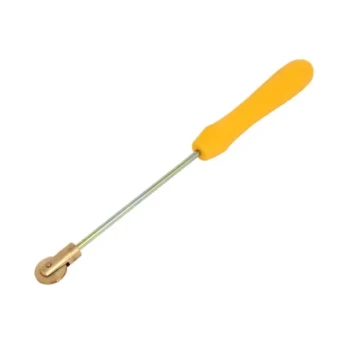
Manual Spur Wheel Wire Embedder for Foundation
Item Number: WE-4
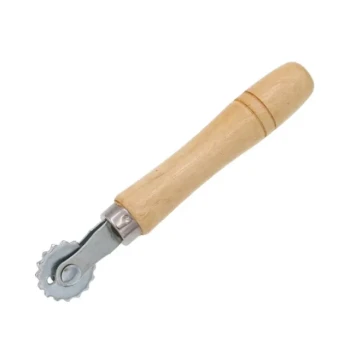
Honestbee Wooden Handle Steel Spur Wheel Wire Embedder
Item Number: WE-1
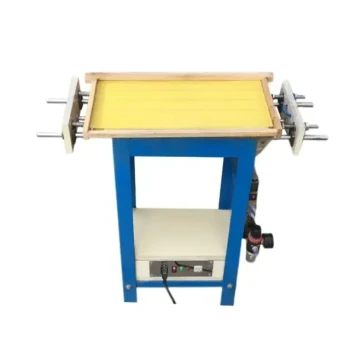
Professional Pneumatic Wire Embedder for Beehive Frames
Item Number: WE-11
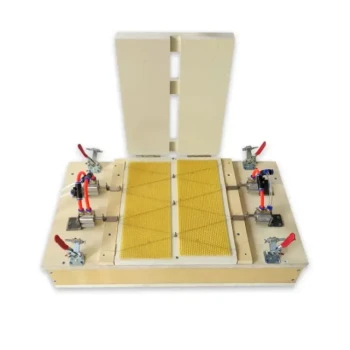
HONESTBEE Pneumatic Dual Wire Embedder for W-Pattern Foundation Wiring
Item Number: WE-12
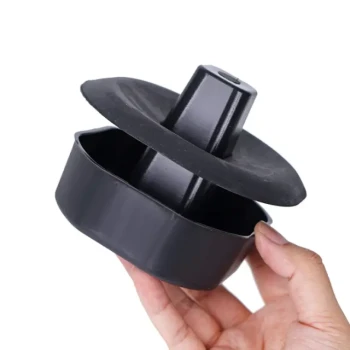
Professional Ant-Proof Beehive Stand with Integrated Moat for Beekeeping
Item Number: BHY-4
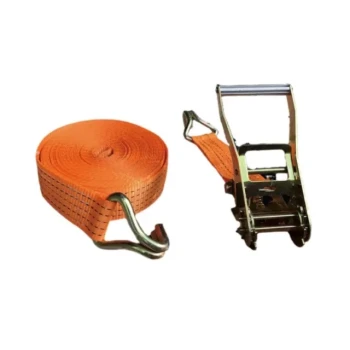
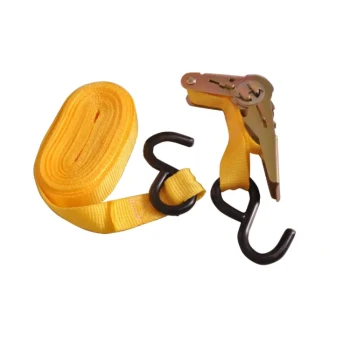
Heavy Duty Ratchet Hive Strap
Item Number: BHS-1
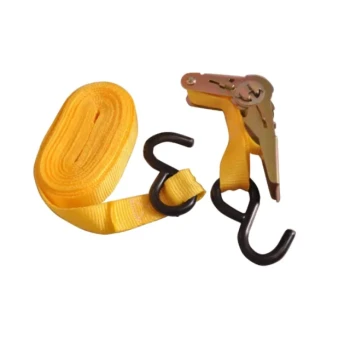
Versatile Ratchet Hive Strap with S-Hooks for Secure Fastening
Item Number: BHS-3
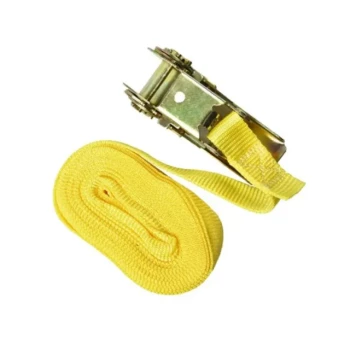
Endless Loop Ratchet Hive Strap
Item Number: BHS-4
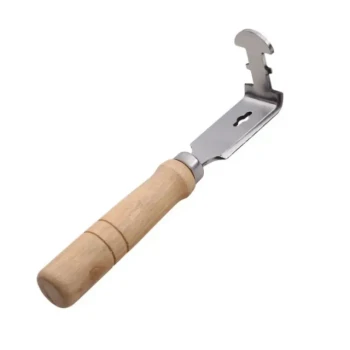
Professional Stainless Steel Frame Cleaner with Ergonomic Wood Handle
Item Number: FC-1
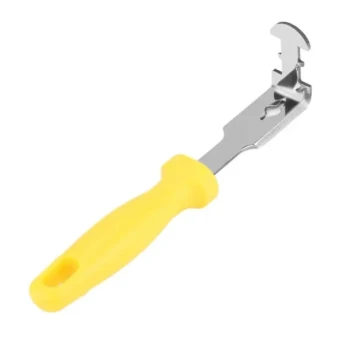
Heavy Duty Stainless Steel Frame Cleaner with Plastic Handle
Item Number: FC-1A

Precision Stainless Steel Frame Cleaner for Hive Grooves and Corners
Item Number: FC-3
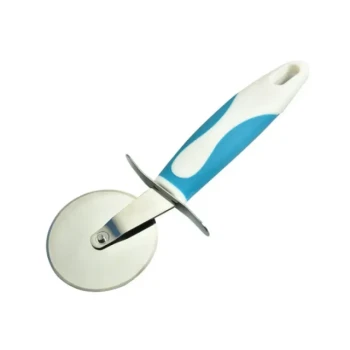
Professional Rolling Wax Cutter with Ergonomic Handle
Item Number: WC-1
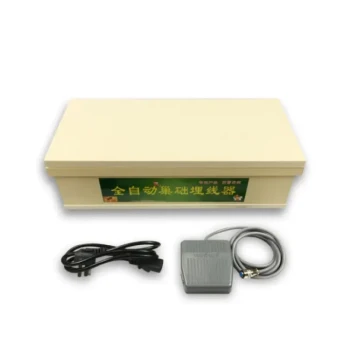
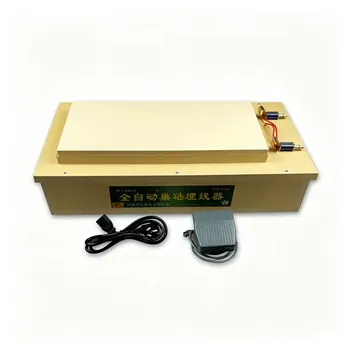
Professional Adjustable Timer Electric Wire Embedder
Item Number: WE-13
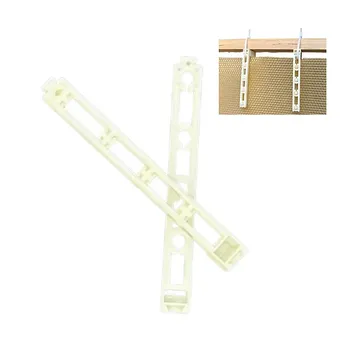
Edit This Page
REQUEST A QUOTE
Our professional team will reply to you within one business day. Please feel free to contact us!
Related Articles
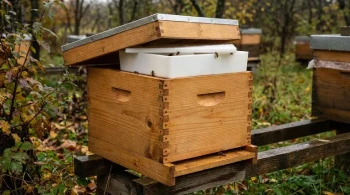
Strategic Feeder Placement: Engineering Weather-Resistant Hive Systems Through Component Synergy
Learn how to engineer weather-resistant hive systems for optimal feeding conditions and colony protection using scientifically validated techniques.
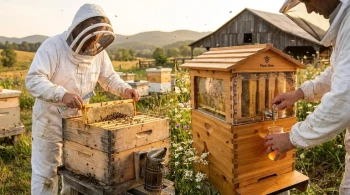
Flow Hive vs. Langstroth: Choosing the Right Hive for Your Beekeeping Goals
Compare Flow Hive vs. Langstroth beehives: efficiency, cost, and maintenance differences to choose the best system for your beekeeping goals.
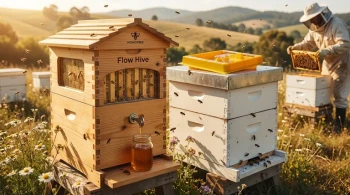
Flow vs. Langstroth Hives: Balancing Bee Welfare, Cost, and Productivity
Compare Flow vs. Langstroth hives for bee welfare, cost, and productivity. Choose the best beekeeping system for your needs.

How Flow Hives Revolutionize Honey Harvesting: Saving Time and Protecting Bees
Flow Hives revolutionize honey harvesting with 80% less labor, intact combs, and faster recovery—ideal for commercial beekeepers.
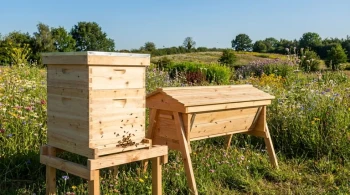
How to Choose Between Langstroth and Top Bar Hives for Your Beekeeping Goals
Compare Langstroth vs. Top Bar beehives for honey production, sustainability & ease of use. Choose the best hive for your beekeeping goals.
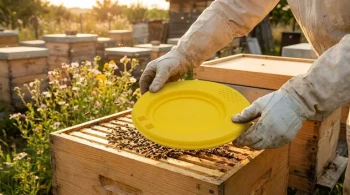
How to Use Escape Boards for Stress-Free Honey Harvesting: A Beekeeper's Guide
Learn how escape boards streamline honey harvesting with 90% bee clearance, protecting colonies and boosting efficiency in modern beekeeping.
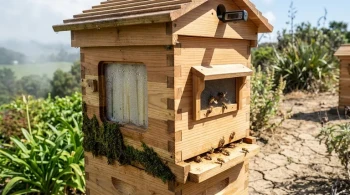
How to Optimize Flow Hive Ventilation for Healthier Colonies in Any Climate
Optimize Flow Hive ventilation for healthier bees in any climate. Learn climate-specific techniques to boost honey production and colony health.
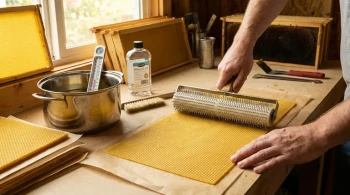
How to Craft Durable Wax Foundations Using Manual Rollers: A Beekeeper's Guide
Learn expert techniques for crafting durable wax foundations using manual rollers—temperature control, rolling best practices, and troubleshooting tips for beekeepers.
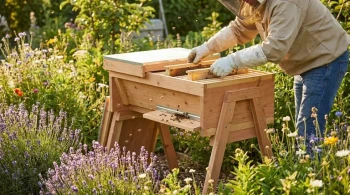
How Top Bar Hives Naturally Boost Bee Health and Simplify Beekeeping
Top bar hives promote natural bee health with comb freedom, thermal efficiency & sustainable harvesting. Ideal for low-maintenance backyard beekeeping.
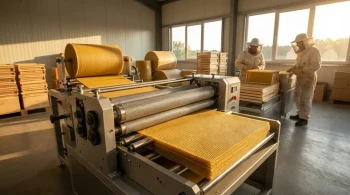
How Fully Automatic Wax Foundation Machines Cut Beekeeping Costs by 40%
Fully automatic wax foundation machines cut beekeeping costs by 40%—reducing labor, energy use, and waste while boosting productivity.
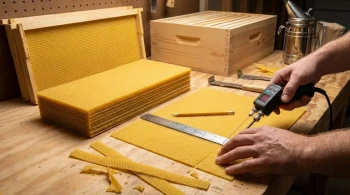
How to Cut Beeswax Foundations for Perfect Hive Compatibility Every Time
Learn professional techniques for cutting beeswax foundations to ensure hive compatibility, prevent warping, and boost colony productivity.
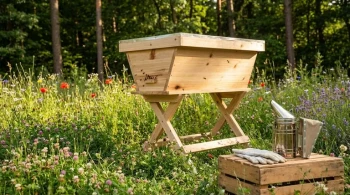
How Top Bar Hives Simplify Natural Beekeeping for Hobbyists
Top bar hives simplify natural beekeeping for hobbyists with cost-efficiency, healthier colonies, and low-maintenance care.
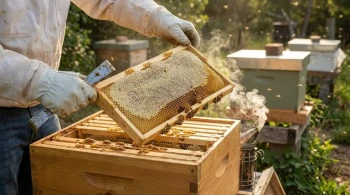
How to Prolong Flow Hive Lifespan: A Beekeeper’s Guide to Smart Frame Maintenance
Learn expert tips to extend your Flow Hive lifespan with smart frame maintenance, seasonal checks, and cost-effective repairs for beekeepers.
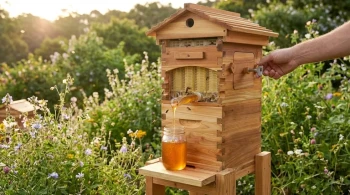
How Flow Hive Simplifies Beekeeping for Beginners: A Guide to Higher Yields with Less Effort
Flow Hive simplifies beekeeping with a bee-friendly, low-effort harvesting system—ideal for beginners to boost yields with minimal effort.
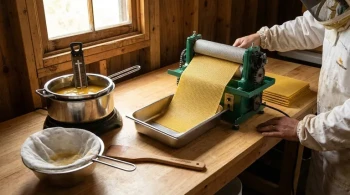
How to Choose and Use Budget-Friendly Tools for Durable Beeswax Foundations
Learn budget-friendly techniques for crafting durable beeswax foundations with essential tools, temperature control, and step-by-step workflows.
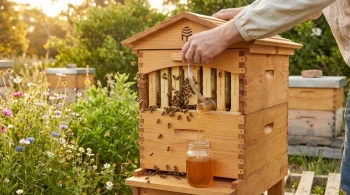
How Flow Hive’s Stress-Reduction Design Preserves Long-Term Hive Health
Flow Hive's stress-reducing design enhances bee health and honey yield. Learn how its non-invasive system benefits modern beekeeping.
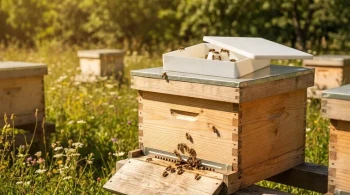
How to Choose the Right Bee Feeder for Your Hive’s Health and Efficiency
Learn how to choose the right bee feeder for hive health, efficiency, and pest control. Compare types, seasonal tips, and cost-effective solutions.
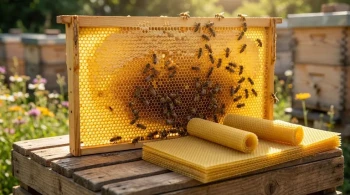
How Wax Foundation Sheets Transform Hive Productivity and Colony Health
Boost hive productivity with wax foundation sheets—reduce bee labor, enhance comb construction, and increase honey yields by 20%. Ideal for commercial beekeepers.
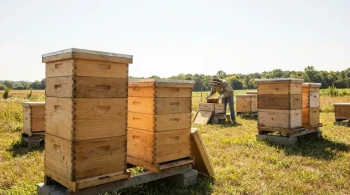
Strategic Super Sizing: How Beekeepers Optimize Hive Management
Learn how beekeepers optimize hive productivity with strategic super sizing—deep, medium, and shallow supers for brood, honey storage, and ergonomics.
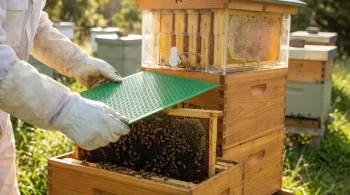
Strategic Queen Excluder Use in Flow Hives: Preventing Brood Contamination Without Triggering Swarms
Learn how to strategically use queen excluders in Flow Hives to prevent brood contamination while minimizing swarming risks for optimal honey production.