Toggle Categories
Get Instant Support
Choose your preferred way to connect with our team
-
Get Free Quote Fill out form for detailed pricing
-
Send Email Detailed inquiry support
-
WhatsApp Quick mobile chat
Response Time
Within 8 hours on working days, 24 hours on holidays





Hives & Components
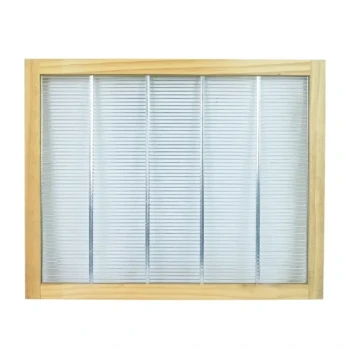
Premium Wood Framed Metal Wire Queen Bee Excluder
Item Number: QE-5
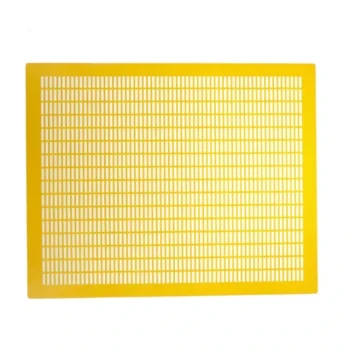
Professional Plastic Queen Excluder for Modern Beekeeping
Item Number: QE-2Y
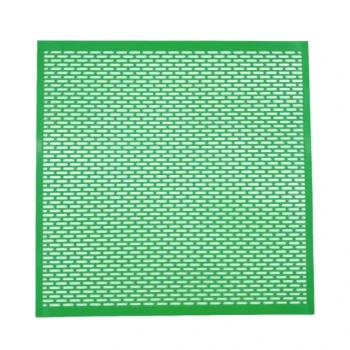
High Performance Plastic Queen Excluder for Beekeeping and Apiary Management
Item Number: QE-2G

Professional Dual Action Queen Excluder Scraper for Beekeeping
Item Number: QES-1
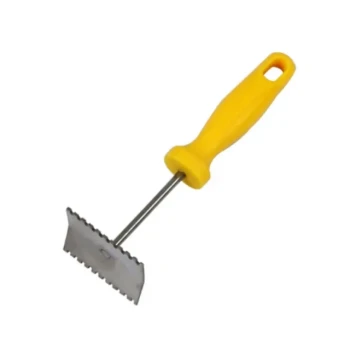
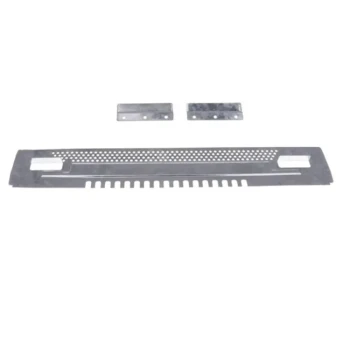
Stainless Steel Scraper for Metal Queen Bee Excluders
Item Number: QES-2
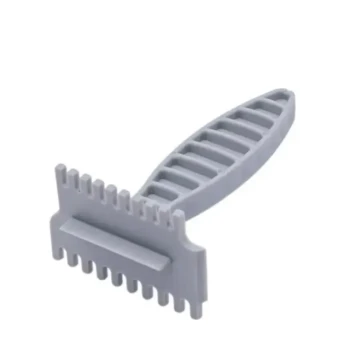
Lightweight Durable Plastic Queen Excluder Scraper for Beekeeping
Item Number: QES-3

Professional Grade Foldable Beehive Handles
Item Number: BHH-1
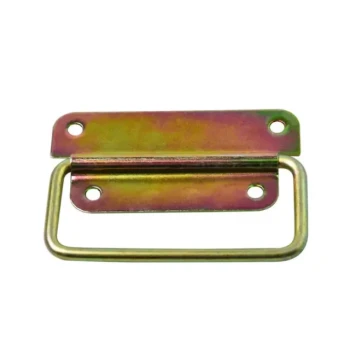
Professional Drop-Style Hive Handles for Beekeeping
Item Number: BHH-2

Premium Comfort Grip Spring-Loaded Hive Handles
Item Number: BHH-3
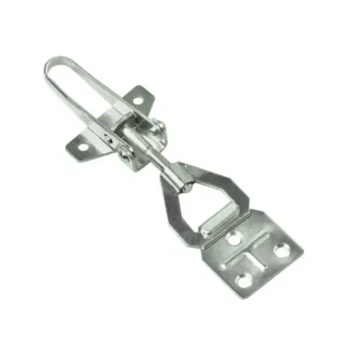
Heavy Duty Adjustable Hive Connector
Item Number: HC-2
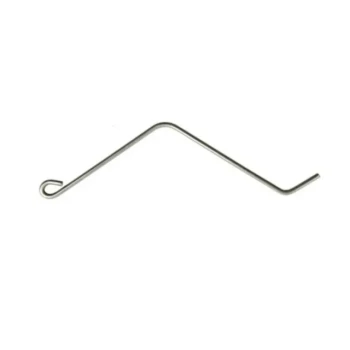
V-Shaped Spring Hive Connector for Beekeeping
Item Number: HC-3

Durable Plastic Interlocking Hive Connector for Beekeeping
Item Number: HC-4
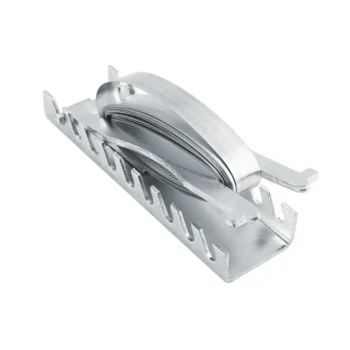
High Security Emlock Strap System
Item Number: BHS-5
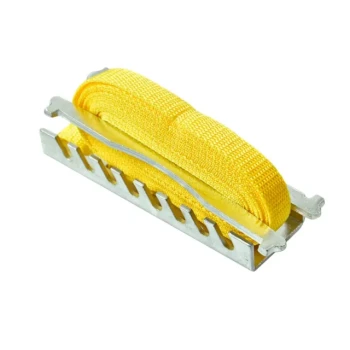
Professional Galvanized Hive Strap with Secure Locking Buckle for Beekeeping
Item Number: BHS-5A

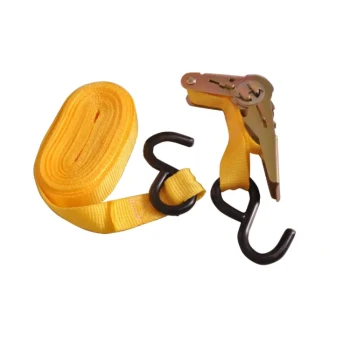
Heavy-Duty Nylon Beehive Hive Strap with Stainless Steel Cinch Buckle
Item Number: BHS-6
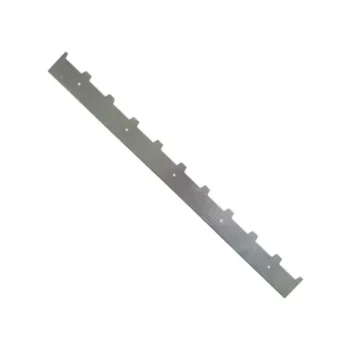
Professional Castellated Iron Frame Spacer for Multiple Hive Types
Item Number: FS-1
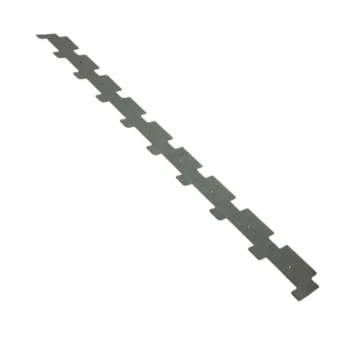
Heavy Duty Castellated Iron Frame Spacer for Honey Supers
Item Number: FS-2

Professional Galvanized Steel Frame Rest for Beehives
Item Number: MR-1
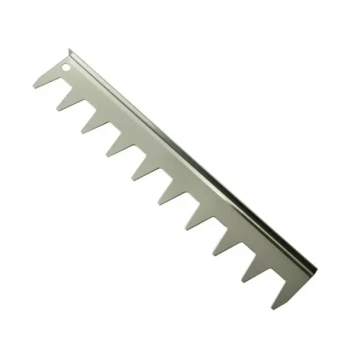

Durable Plastic Frame Spacer
Item Number: FS-3

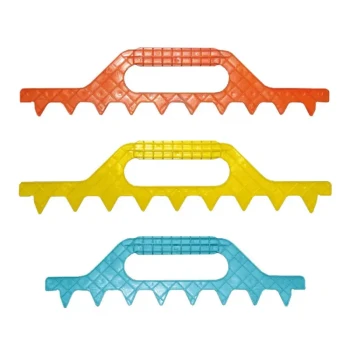
Ergonomic Plastic Frame Spacer Tool for Rapid Hive Management Beekeeping
Item Number: FS-8

Durable Plastic Hive Number Set for Beekeeping
Item Number: BHN-1

Professional Large-Format Hive Number Set for Beekeeping
Item Number: BHN-3

Modern Flat-Mount Hive Number Set for Beekeeping
Item Number: BHN-2

Professional Engraved Round Hive Number Tags for Beekeeping
Item Number: BHN-4

Stainless Steel Round Beehive Air Vents for Ventilation
Item Number: HV35
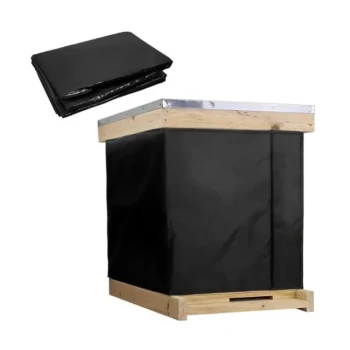
Professional Insulated Winter Hive Wrap for Beekeeping
Item Number: BZY-1
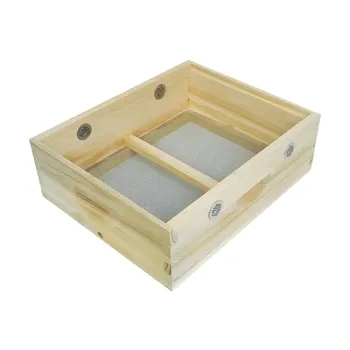
Professional Beekeeping Quilt Box with Multi Vent Moisture Control
Item Number: BHQ-1
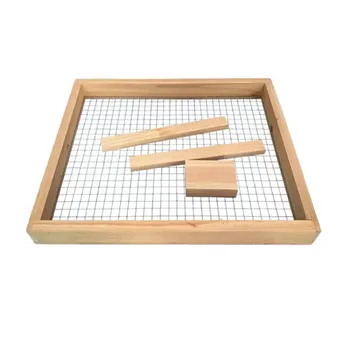
Heavy-Duty Candy Board with Galvanized Mesh for Beekeeping
Item Number: BHW-1
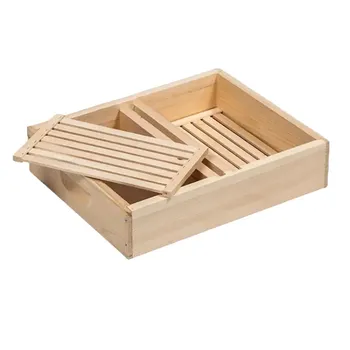
Premium Wood Hive Top Feeder with Floating Rafts for Langstroth Hives
Item Number: BHW-2
Edit This Page
REQUEST A QUOTE
Our professional team will reply to you within one business day. Please feel free to contact us!
Related Articles
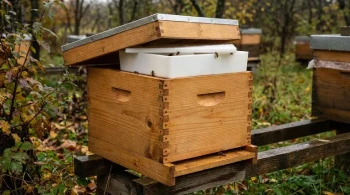
Strategic Feeder Placement: Engineering Weather-Resistant Hive Systems Through Component Synergy
Learn how to engineer weather-resistant hive systems for optimal feeding conditions and colony protection using scientifically validated techniques.
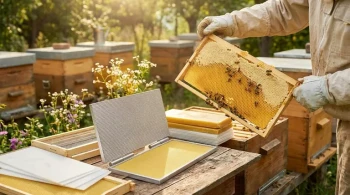
How to Choose the Right Beehive Foundation for Healthier Bees and Better Honey
Learn how to choose the best beehive foundation for healthier bees and better honey production. Compare materials, installation tips, and real-world case studies.
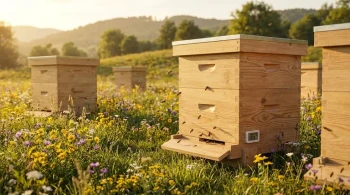
How Wooden Beehives Naturally Regulate Temperature for Healthier Honeybee Colonies
Discover how wooden beehives naturally regulate temperature for healthier honeybee colonies, improving survival rates and honey production.
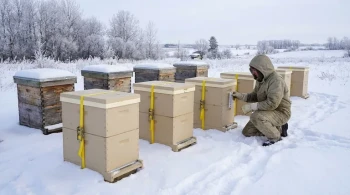
How Styrofoam Beehives Transform Overwintering Success: Science & Practical Insights
Discover how Styrofoam beehives improve winter survival rates with superior insulation, reducing honey consumption and condensation risks.
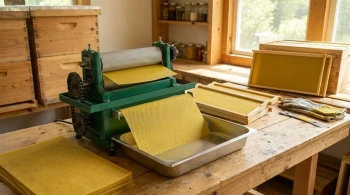
How to Choose the Right Beehive Foundation for Your Beekeeping Goals
Learn how to choose the best beehive foundation for honey yield, sustainability, or cost-efficiency. Compare beeswax, plastic, and hybrid options.
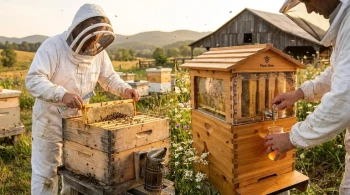
Flow Hive vs. Langstroth: Choosing the Right Hive for Your Beekeeping Goals
Compare Flow Hive vs. Langstroth beehives: efficiency, cost, and maintenance differences to choose the best system for your beekeeping goals.
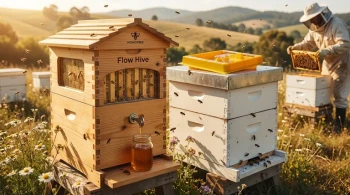
Flow vs. Langstroth Hives: Balancing Bee Welfare, Cost, and Productivity
Compare Flow vs. Langstroth hives for bee welfare, cost, and productivity. Choose the best beekeeping system for your needs.
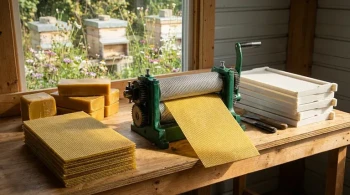
Beeswax vs. Plastic Foundations: Choosing the Sustainable Option for Thriving Apiaries
Compare beeswax vs. plastic hive foundations for colony health, sustainability, and cost efficiency in beekeeping. Make the right choice for your apiary.
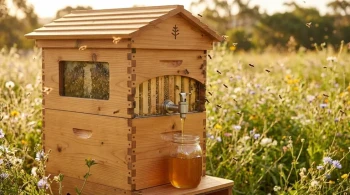
How Flow Hives Revolutionize Honey Harvesting: Saving Time and Protecting Bees
Flow Hives revolutionize honey harvesting with 80% less labor, intact combs, and faster recovery—ideal for commercial beekeepers.
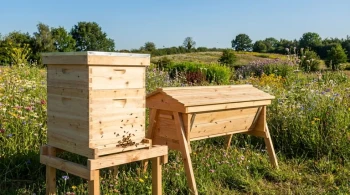
How to Choose Between Langstroth and Top Bar Hives for Your Beekeeping Goals
Compare Langstroth vs. Top Bar beehives for honey production, sustainability & ease of use. Choose the best hive for your beekeeping goals.
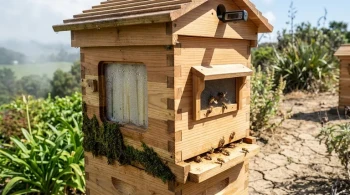
How to Optimize Flow Hive Ventilation for Healthier Colonies in Any Climate
Optimize Flow Hive ventilation for healthier bees in any climate. Learn climate-specific techniques to boost honey production and colony health.
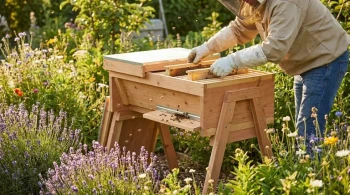
How Top Bar Hives Naturally Boost Bee Health and Simplify Beekeeping
Top bar hives promote natural bee health with comb freedom, thermal efficiency & sustainable harvesting. Ideal for low-maintenance backyard beekeeping.
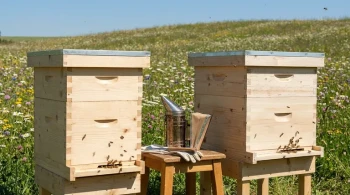
How to Choose Between 8-Frame and 10-Frame Langstroth Boxes for Optimal Beekeeping
Compare 8-frame vs. 10-frame Langstroth boxes for beekeeping: weight, yield, and urban vs. commercial needs. Optimize your hive setup.
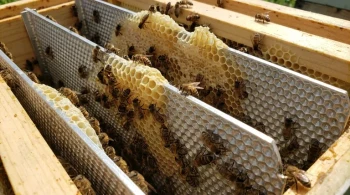
How Precision-Textured Aluminium Castings Boost Hive Productivity by Mimicking Nature
Precision-textured aluminium castings mimic bee cell geometry, boosting hive productivity by 15-25% with durable, energy-efficient foundations.
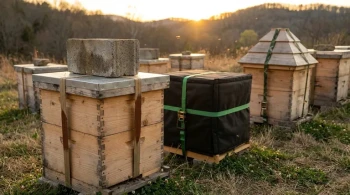
How to Secure Beehive Covers: Weatherproof Strategies for Every Hive Type
Learn weatherproof strategies to secure beehive covers for all hive types, ensuring colony protection from predators and harsh elements.
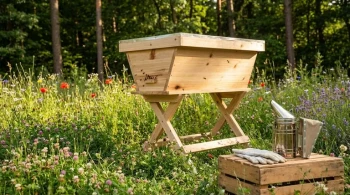
How Top Bar Hives Simplify Natural Beekeeping for Hobbyists
Top bar hives simplify natural beekeeping for hobbyists with cost-efficiency, healthier colonies, and low-maintenance care.
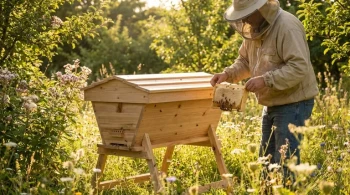
How Top Bar Beehives Naturally Reduce Pest Risks and Simplify Beekeeping
Discover how Top Bar Hives naturally reduce pests, simplify beekeeping, and promote hive health with sustainable, low-maintenance designs.
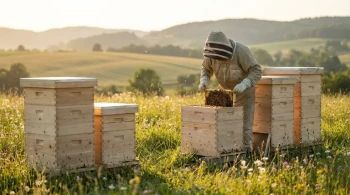
How Langstroth Hives Solve Universal Beekeeping Challenges Through Smart Design
Discover how Langstroth hives' smart design solves beekeeping challenges with standardized, adaptable components for urban and commercial beekeepers.
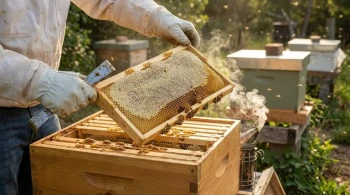
How to Prolong Flow Hive Lifespan: A Beekeeper’s Guide to Smart Frame Maintenance
Learn expert tips to extend your Flow Hive lifespan with smart frame maintenance, seasonal checks, and cost-effective repairs for beekeepers.
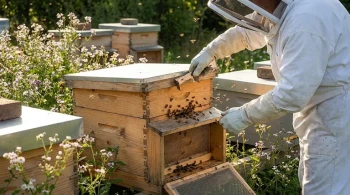
How to Optimize Beehive Ventilation: Prevent Disease and Boost Colony Health
Learn science-backed beehive ventilation strategies to prevent disease, boost colony health, and optimize honey production in all seasons.