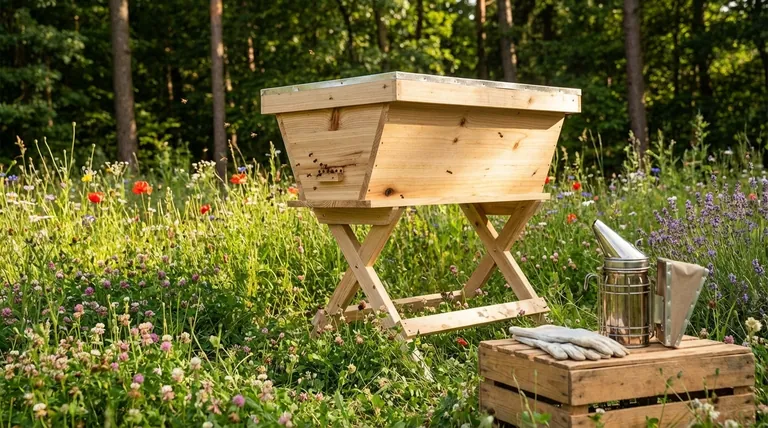
For hobbyist beekeepers seeking a sustainable, low-maintenance approach, top bar hives offer a compelling alternative to conventional Langstroth systems. These horizontal hives align with natural bee behaviors while reducing costs and labor—key priorities for small-scale enthusiasts. Below, we explore their advantages in colony health, cost efficiency, and practical management.
Top Bar Hives: A Gateway to Natural Beekeeping
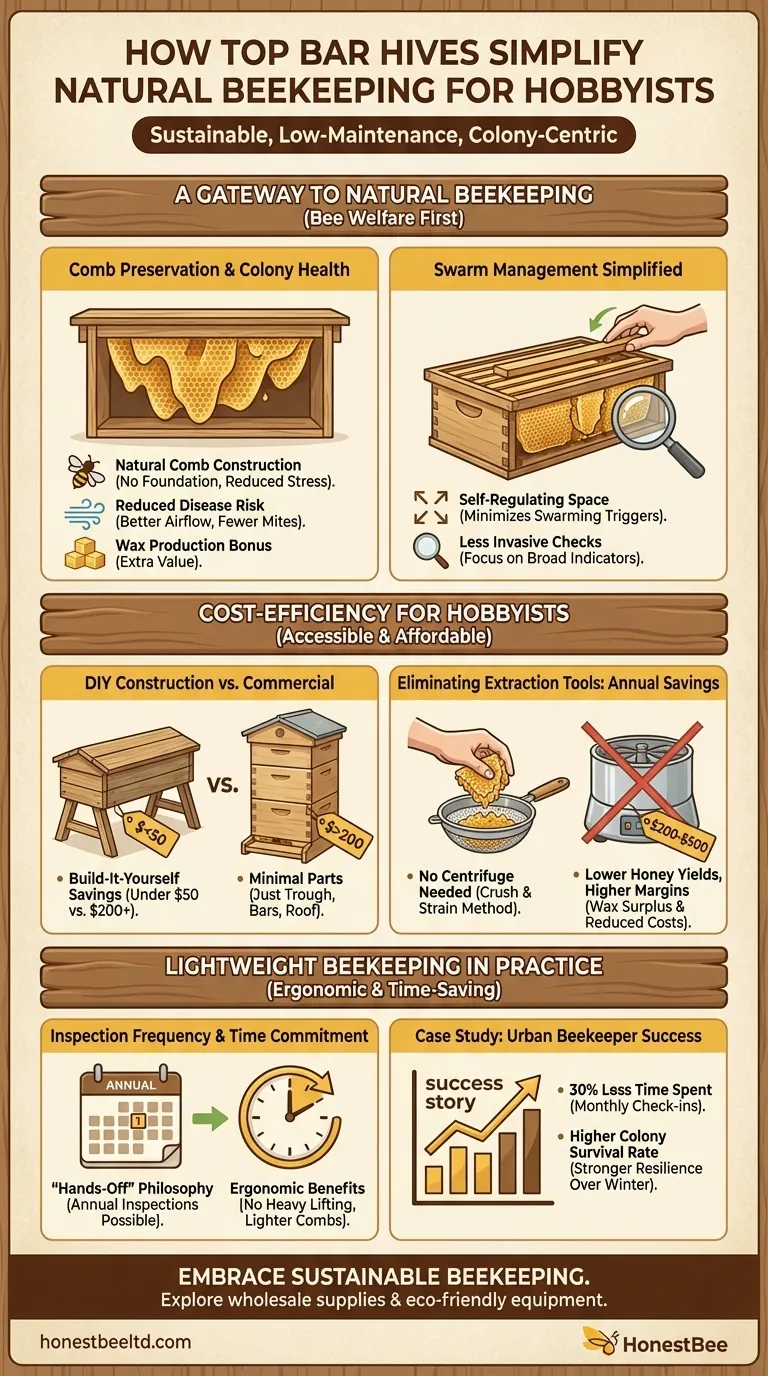
Top bar hives prioritize bee welfare by mimicking wild hive structures. Unlike Langstroth systems, which rely on standardized frames, top bar designs let bees build free-form comb. This fosters healthier colonies with behaviors closer to their natural instincts.
Comb Preservation and Colony Health
- Natural Comb Construction: Bees create comb without artificial foundations, reducing stress and chemical exposure.
- Reduced Disease Risk: Free-hanging comb improves airflow, discouraging mold and mites. Research suggests colonies in top bar hives exhibit fewer varroa mite infestations due to limited human interference.
- Wax Production Bonus: Harvesting honey yields extra beeswax—ideal for candles or balms—adding value for homesteaders.
Swarm Management Simplified
- Self-Regulating Space: Bees naturally expand or reduce comb based on seasonal needs, minimizing swarming triggers.
- Less Invasive Checks: Inspections focus on broad indicators (e.g., mite presence) rather than frame-by-frame scrutiny, saving time.
Cost-Efficiency for Hobbyists
Top bar hives slash upfront and ongoing expenses, making beekeeping accessible without commercial-scale investments.
DIY Construction vs. Commercial Hive Costs
- Build-It-Yourself Savings: A basic top bar hive can be crafted from reclaimed wood for under $50, whereas pre-built Langstroth setups often exceed $200.
- Minimal Parts: No need for supers, queen excluders, or multiple boxes—just a trough, bars, and a roof.
Eliminating Extraction Tools: Annual Savings
- No Centrifuge Needed: Honey is harvested by crushing comb, bypassing the $200–$500 extractor required for Langstroth hives.
- Lower Honey Yields, Higher Margins: While top bar hives produce roughly half the honey of Langstroth systems (3–5 gallons annually), the wax surplus and reduced equipment costs improve overall ROI for hobbyists.
Lightweight Beekeeping in Practice
Ideal for urban or time-strapped beekeepers, top bar hives demand less physical labor and fewer interventions.
Inspection Frequency and Time Commitment
- "Hands-Off" Philosophy: Some keepers inspect just once yearly, trusting bees to self-manage.
- Ergonomic Benefits: No heavy lifting (Langstroth deep boxes can weigh 50+ lbs when full); top bar combs are lighter and easier to handle.
Case Study: Urban Beekeeper Success Story
A hobbyist in Portland transitioned from Langstroth to top bar hives, citing:
- 30% Less Time Spent: Weekly inspections dropped to monthly check-ins.
- Higher Colony Survival Rate: Over two winters, top bar colonies showed stronger resilience, likely due to natural comb insulation.
Embrace Sustainable Beekeeping with Confidence
Top bar hives harmonize cost-efficiency, ecological practices, and manageable labor—perfect for hobbyists prioritizing bee health over high yields. By adopting this system, you join a growing community redefining beekeeping as a gentle partnership with nature.
Ready to Start? Explore HONESTBEE’s wholesale beekeeping supplies, designed to support sustainable apiaries with durable, eco-friendly equipment. Whether you’re a beginner or a distributor, our tools help you cultivate thriving colonies—naturally.
Products You Might Be Looking For:
Explore sustainable top bar beehives
View horizontal top bar hive options
Visual Guide
Related Products
- Top Bar Beehive for Beekeeping Wholesales Kenya Top Bar Hive
- Long Langstroth Style Horizontal Top Bar Hive for Wholesale
- HONESTBEE Top Bar & Bottom Bar Forming Machine | Bee Frame Machine
- HONESTBEE Square Top Hive Bee Feeder Top Bee Feeder
- HONESTBEE Round Hive Top Bee Feeder for Syrup
Related Articles
- How to Inspect Top Bar Hives Without Damaging Comb: A Beekeeper’s Guide
- Beyond Pest Control: The Operational Logic of the Kenyan Top-Bar Hive
- How Top Bar Hives Naturally Boost Bee Health and Simplify Beekeeping
- How to Optimize Honey Storage in Top Bar Hives for Healthier Colonies
- Hive Architecture and the Winter Paradox: Why Heat Retention Isn't Enough