For beekeepers, harvesting honey is a delicate balance between efficiency and hive health. The goal? Remove honey supers with minimal disturbance to the colony while ensuring near-complete bee clearance. Traditional methods like escape boards achieve partial success, but strategic optimizations can push efficiency from 95% to virtually complete clearance. Here’s how.
Understanding Bee Escape Mechanics
The Science Behind 95% Efficiency
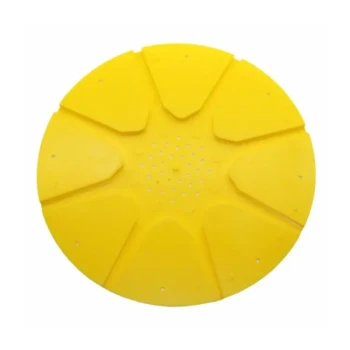
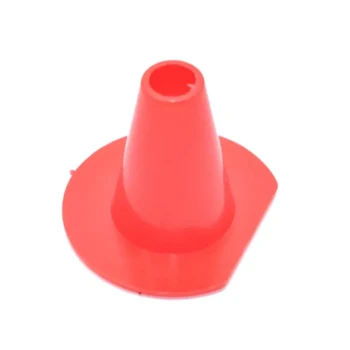
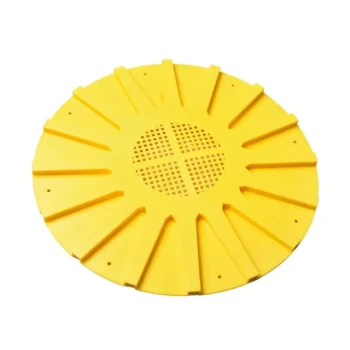
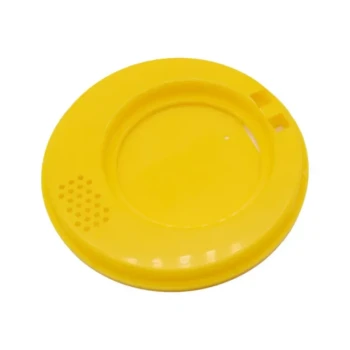
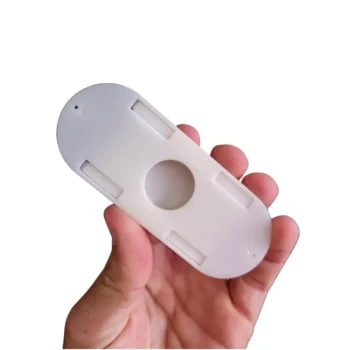
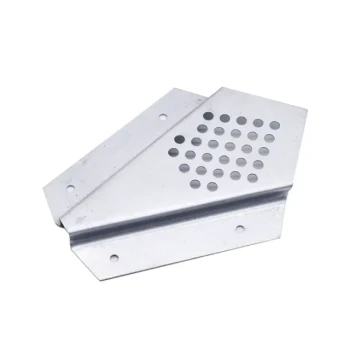
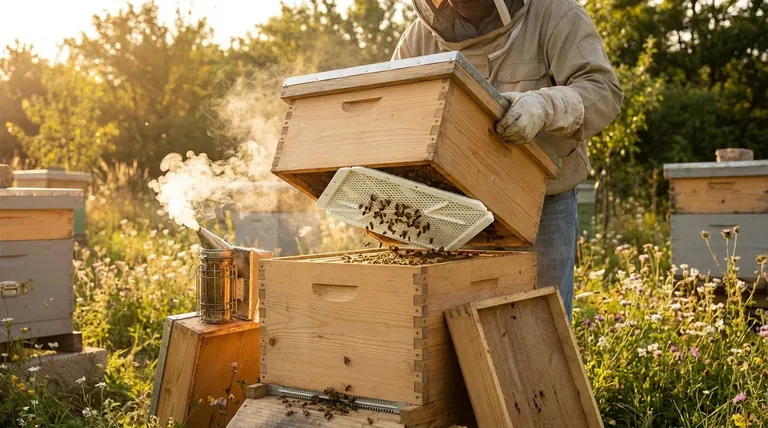
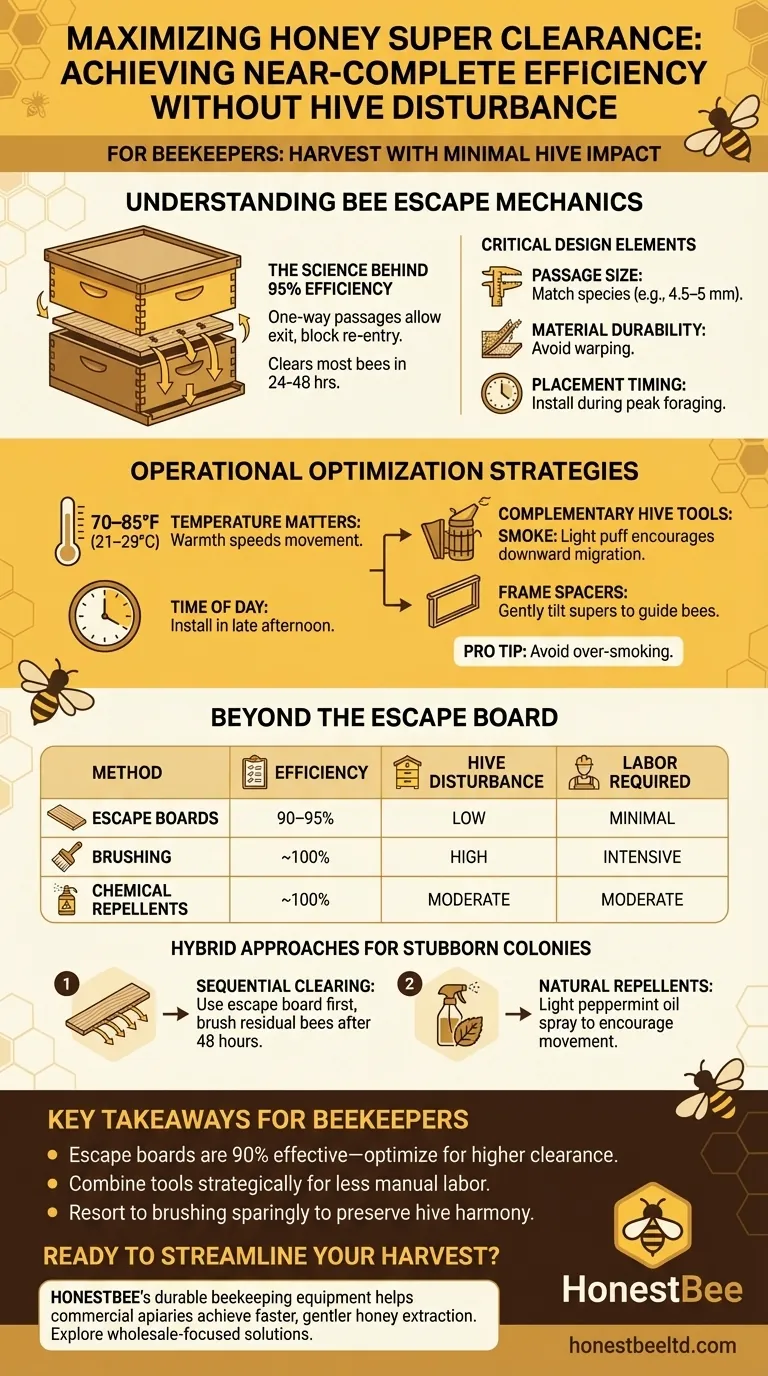
Bee escape boards work on a simple principle: one-way passages allow bees to exit the honey super but block re-entry. Research shows this method clears most bees—typically over 90%—within 24–48 hours. However, gaps in efficiency often stem from:
- Bee behavior: Nurse bees and foragers may ignore exits if brood is nearby.
- Design flaws: Poorly angled passages or incorrect spacing can trap bees.
Critical Design Elements Affecting Bee Migration
To maximize escape rates, prioritize:
- Passage size: Match the width to local bee species (e.g., 4.5–5 mm for European honeybees).
- Material durability: Warped wood or flimsy plastic disrupts bee movement.
- Placement timing: Install boards during peak foraging hours to leverage natural traffic patterns.
Operational Optimization Strategies
Temperature and Timing Best Practices
Bees respond predictably to environmental cues:
- Warmth: Clearance speeds up at 70–85°F (21–29°C); cooler temperatures slow bee movement.
- Time of day: Install boards in late afternoon to capitalize on evening hive consolidation.
Complementary Hive Tool Combinations
Pair escape boards with:
- Smoke: Light puffing encourages downward migration without agitation.
- Frame spacers: Gently tilt supers to guide bees toward exits.
Pro Tip: Avoid over-smoking, which can drive bees to cling to honeycombs defensively.
Beyond the Escape Board
Comparative Analysis with Brush/Chemical Methods
| Method | Efficiency | Hive Disturbance | Labor Required |
|---|---|---|---|
| Escape boards | 90–95% | Low | Minimal |
| Brushing | ~100% | High | Intensive |
| Chemical repellents | ~100% | Moderate | Moderate |
Escape boards win for low-stress harvesting, but stubborn colonies may need hybrid approaches.
Hybrid Approaches for Stubborn Colonies
For hives with persistent bees:
- Sequential clearing: Use an escape board first, then brush residual bees after 48 hours.
- Natural repellents: A light peppermint oil spray (non-toxic) can encourage movement without harming bees.
Key Takeaways for Beekeepers
- Escape boards are 90% effective—but small tweaks in design, timing, and temperature can push this higher.
- Combine tools strategically: Smoke and spacers reduce manual labor.
- Resort to brushing sparingly: Preserve hive harmony by reserving physical methods for last-resort cases.
Ready to streamline your harvest? HONESTBEE’s durable beekeeping equipment helps commercial apiaries and distributors achieve faster, gentler honey extraction. Explore our wholesale-focused solutions today—because every drop of honey should be earned, not stressed.
Visual Guide
Related Products
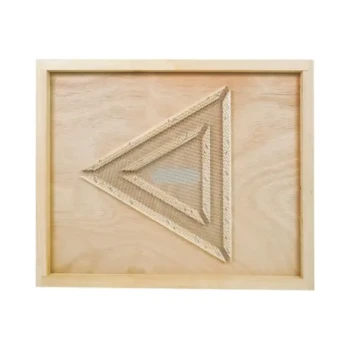
- HONESTBEE Wooden Bee Escape Board with Triangle Mesh Design for Beekeeping
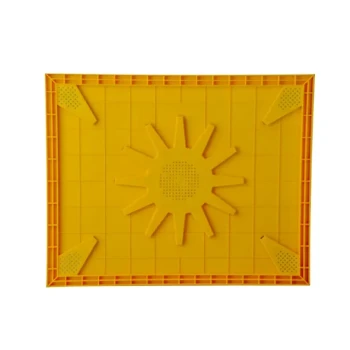
- HONESTBEE Multi Exit Plastic Bee Escape Board for Efficient Honey Harvesting
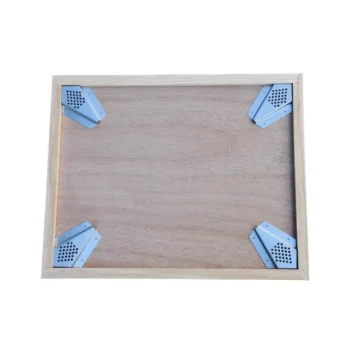
- HONESTBEE 4-Way Metal Corner Wooden Bee Escape Board
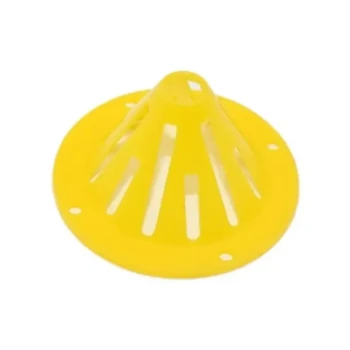
- Slatted Porter Style Bee Escape for Rapid Hive Clearing
- Efficient Hive Clearing: HONESTBEE 8-Way Plastic Bee Escape
Related Articles
- The Quiet Choreography: Mastering the Bee Escape Board for a Systemic Harvest
- How Bee Escape Boards Enable Ethical Honey Harvests Without Colony Stress
- Engineering Empathy: The Quiet Genius of the Bee Escape Board
- Beyond the 24-Hour Rule: The Psychology of the Bee Escape Board
- The Engineer's Gambit: Why Your Bee Escape Board Fails