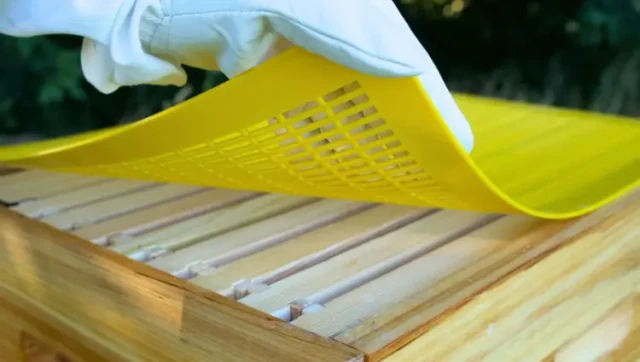
Beekeepers constantly balance hive efficiency with colony health. Queen excluders—a simple yet divisive tool—offer structured brood management but require nuanced application. This guide examines their practical advantages, material trade-offs, and specialized uses like multi-queen systems, helping you make informed decisions for your apiary.
Understanding Queen Excluders
How a Queen Excluder Shapes Hive Hierarchy
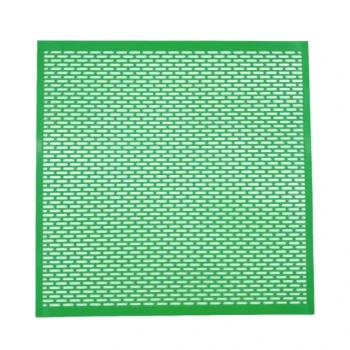
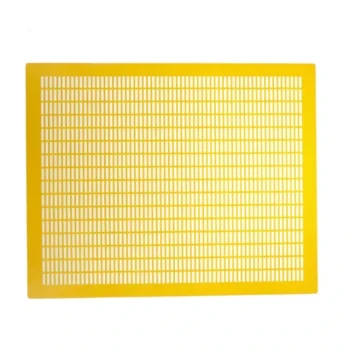
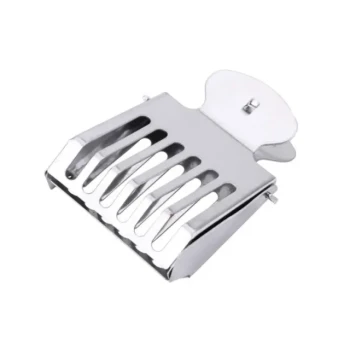
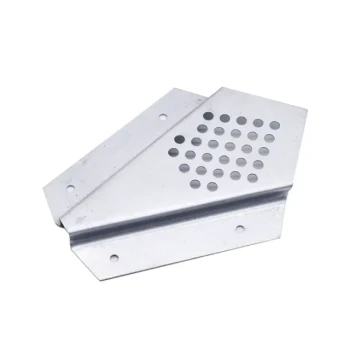
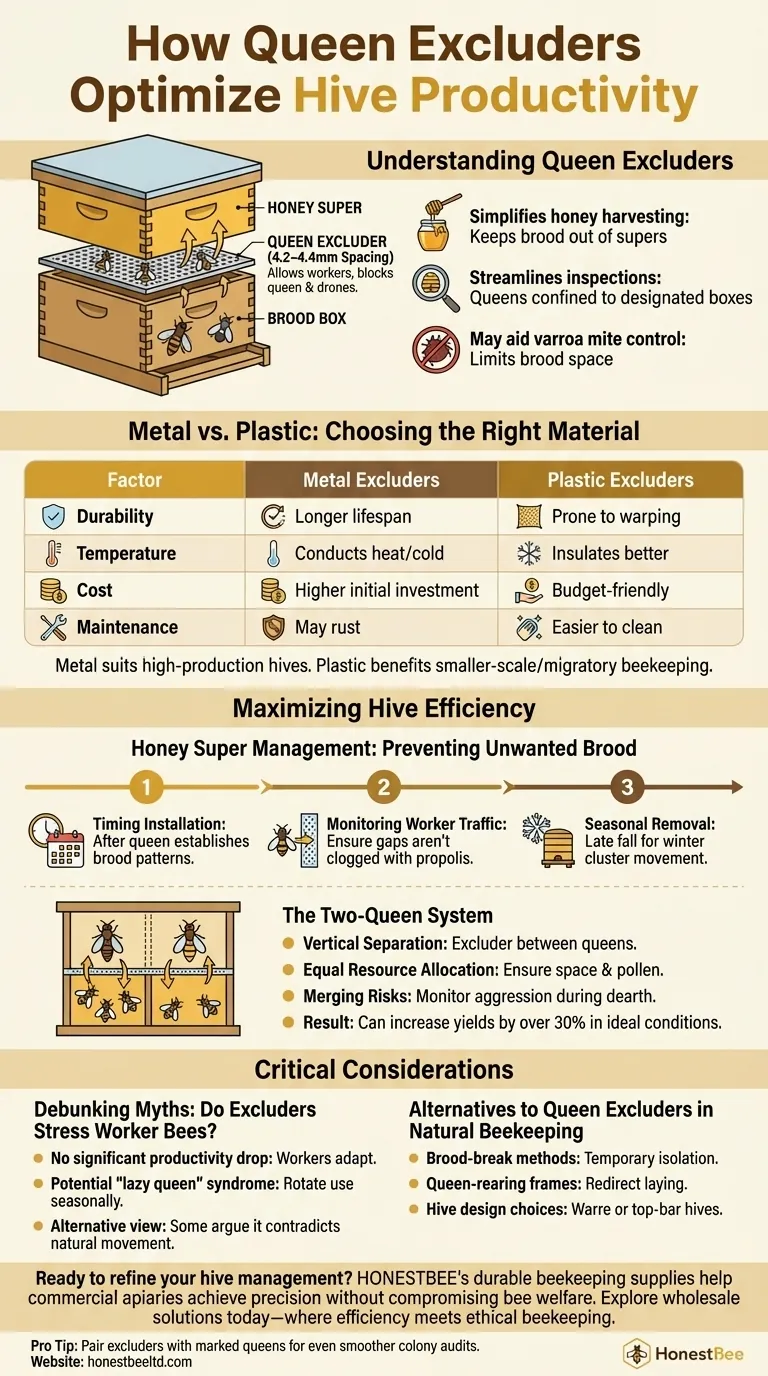
Queen excluders are perforated barriers placed between brood boxes and honey supers. Their precise spacing (typically 4.2–4.4mm) allows worker bees to pass while blocking the larger queen and drones. Research shows this separation:
- Simplifies honey harvesting by keeping brood out of supers
- Streamlines inspections since queens remain confined to designated boxes
- May aid varroa mite control by limiting brood space
However, some argue excluders disrupt natural foraging rhythms. Observing colony behavior post-installation is crucial.
Metal vs. Plastic: Choosing the Right Material
| Factor | Metal Excluders | Plastic Excluders |
|---|---|---|
| Durability | Longer lifespan | Prone to warping |
| Temperature | Conducts heat/cold | Insulates better |
| Cost | Higher initial investment | Budget-friendly |
| Maintenance | May rust over time | Easier to clean |
Metal suits high-production hives in temperate climates, while plastic benefits smaller-scale or migratory beekeeping.
Maximizing Hive Efficiency
Honey Super Management: Preventing Unwanted Brood
Excluders excel in preventing brood contamination in honey supers—a common issue during nectar flows. Best practices include:
- Timing installation: Add excluders after the queen has established brood patterns in lower boxes.
- Monitoring worker traffic: Ensure gaps aren’t clogged with propolis, which can stress bees.
- Seasonal removal: In late fall, remove excluders to let clusters move freely for winter survival.
The Two-Queen System: Setup and Challenges
Advanced beekeepers sometimes use excluders to manage dual-queen colonies, boosting honey production. Key steps:
- Vertical separation: Place excluders between queens, allowing workers to access both brood areas.
- Equal resource allocation: Ensure both queens have adequate space and pollen stores.
- Merging risks: Aggression may occur if pheromone boundaries blur. Monitor closely during dearth periods.
This technique demands frequent inspections but can increase yields by over 30% in ideal conditions.
Critical Considerations
Debunking Myths: Do Excluders Stress Worker Bees?
A persistent concern is whether excluders hinder worker efficiency. Studies note:
- No significant productivity drop: Workers adapt quickly to barrier navigation.
- Potential "lazy queen" syndrome: Some queens lay less when confined long-term. Rotate excluder use seasonally.
- Alternative view: Top-bar hive proponents argue excluders contradict natural bee movement.
Alternatives to Queen Excluders in Natural Beekeeping
For those avoiding excluders, consider:
- Brood-break methods: Temporarily isolating the queen below a honey super (without an excluder) can achieve similar results.
- Queen-rearing frames: Redirect laying activity to specific frames removed during harvest.
- Hive design choices: Warre or top-bar hives naturally limit queen movement upward.
Ready to refine your hive management? HONESTBEE’s durable beekeeping supplies help commercial apiaries and distributors achieve precision without compromising bee welfare. Explore our wholesale solutions today—where efficiency meets ethical beekeeping.
Pro Tip: Pair excluders with marked queens for even smoother colony audits.
Visual Guide
Related Products
- High Performance Plastic Queen Excluder for Beekeeping and Apiary Management
- Professional Plastic Queen Excluder for Modern Beekeeping
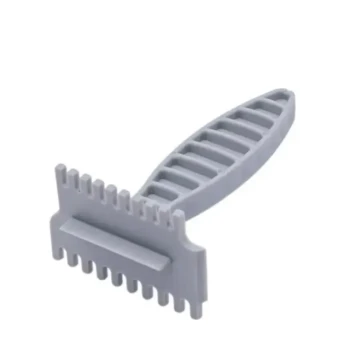
- Lightweight Durable Plastic Queen Excluder Scraper for Beekeeping
- Metal Queen Bee Excluder for Beekeeping
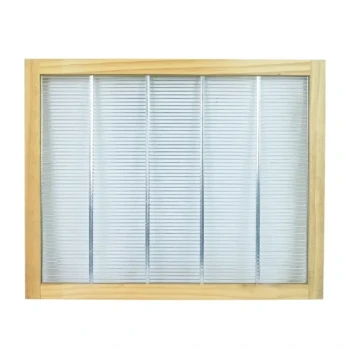
- Premium Wood Framed Metal Wire Queen Bee Excluder
Related Articles
- How Plastic Queen Excluders Improve Hive Longevity and Colony Health
- Plastic Queen Excluders vs. Alternatives: A Beekeeper’s Guide to Smarter Hive Management
- Why Plastic Queen Excluders Outperform Metal and Wood: Science, Savings, and Hive Protection
- How to Choose Queen Excluders Based on Colony Behavior and Queen Traits
- The Geometry of Order: Why the Queen Excluder is a Beekeeper's Most Strategic Tool