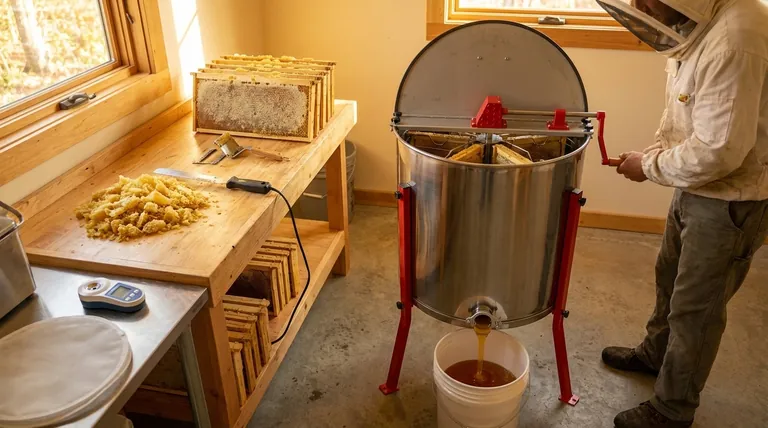
For beekeepers, balancing extraction efficiency with product integrity is the difference between a profitable harvest and wasted effort. This guide reveals field-tested methods to maximize yield while preserving honey’s natural quality—whether you’re a small-scale producer or supplying commercial quantities.
Honey Extraction Essentials
Preparing Frames for Harvest
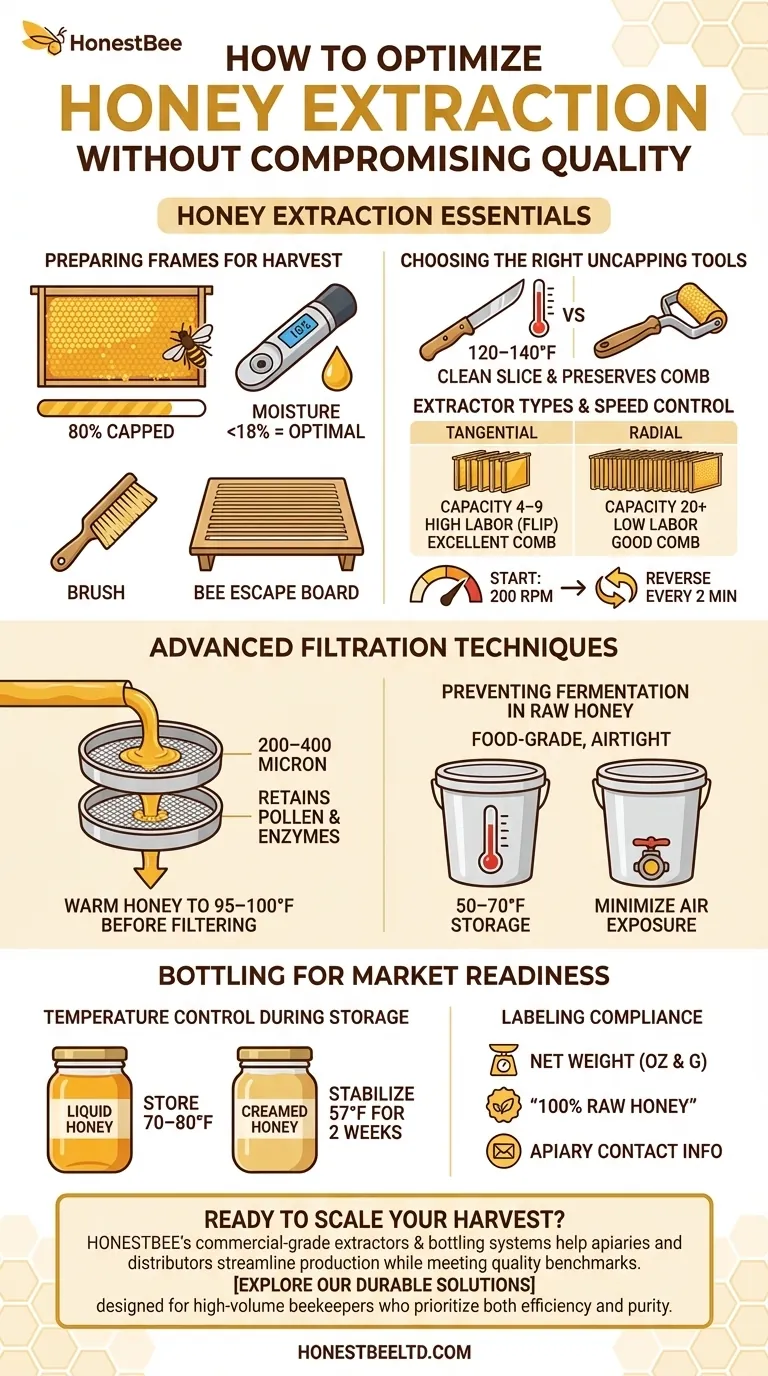
Harvest-ready frames should be at least 80% capped. Bees seal cells with wax when moisture content drops below 18%, indicating optimal ripeness.
Best practices:
- Test uncapped cells with a refractometer; discard any with moisture above 19% to prevent fermentation.
- Brush bees off frames gently or use a bee escape board 24 hours pre-harvest to minimize colony disruption.
Choosing the Right Uncapping Tools
Manual uncapping knives work for under 50 hives, but heated knives or automated uncappers save time for larger operations.
Key considerations:
- Heated knives (120–140°F) slice wax cleanly, reducing debris in extracted honey.
- Roller-based uncappers preserve comb structure for faster reuse by bees.
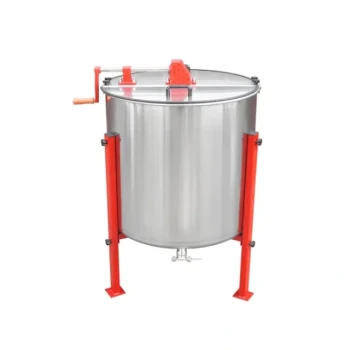
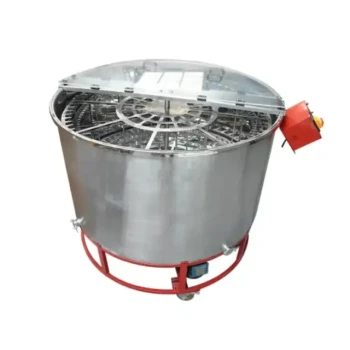
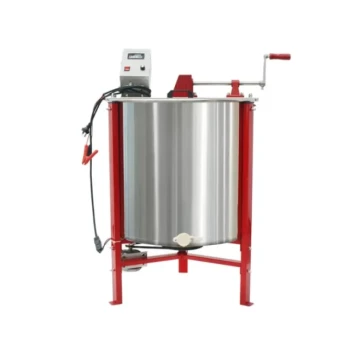
Extractor Types and Speed Control
Tangential vs. Radial Extractors:
| Feature | Tangential | Radial |
|---|---|---|
| Frame Capacity | 4–9 | 20+ |
| Labor Intensity | High (flipping required) | Low |
| Comb Preservation | Excellent | Good |
Speed guidelines:
- Start at 200 RPM, gradually increasing to 300–400 RPM to avoid comb blowouts.
- Reverse rotation every 2 minutes to evenly drain both sides.
Advanced Filtration Techniques
Balancing Clarity and Nutrient Retention
Double-layer nylon filters (200–400 micron) remove wax debris while retaining pollen and enzymes.
Pro tip: Warm honey to 95–100°F before filtering to reduce viscosity without pasteurization.
Preventing Fermentation in Raw Honey
- Store extracted honey at 50–70°F in food-grade buckets with airtight seals.
- Add a honey gate valve for bottling—this minimizes air exposure during transfers.
Bottling for Market Readiness
Temperature Control During Storage
Crystallization accelerates below 57°F. For liquid honey, maintain storage at 70–80°F; for creamed honey, stabilize at 57°F for 2 weeks post-processing.
Labeling Compliance for Small-Scale Producers
Include:
- Net weight (in ounces and grams)
- "100% Raw Honey" (if unheated)
- Your apiary’s contact information
Ready to Scale Your Harvest?
HONESTBEE’s commercial-grade extractors and bottling systems help apiaries and distributors streamline production while meeting quality benchmarks. Explore our durable solutions designed for high-volume beekeepers who prioritize both efficiency and purity.
By implementing these methods, you’ll reduce waste, maintain premium quality, and turn your harvests into consistent revenue streams.
Visual Guide
Related Products
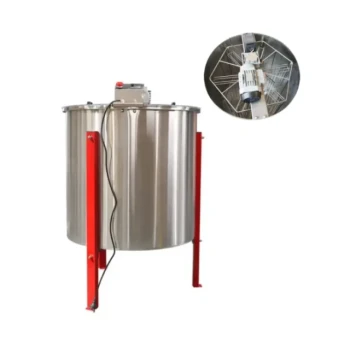
- Electric 8 Frame Honey Spinner Extractor Equipment for Beekeeping
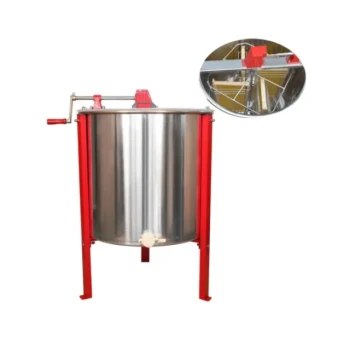
- 6 Frame Manual Stainless Steel Honey Extractor Beekeeping Equipment
- HONESTBEE 2 Frame Manual Acrylic Honey Extractor Beekeeping Equipment
- HONESTBEE 72 Frame Industrial Electric Honey Extractor for Beekeeping
- 32 Frame Commercial Electric Honey Extractor for Beekeeping and Honey Production
Related Articles
- The Beekeeper's Cleanroom: Why Your Extraction Space Dictates Success
- How to Extract Honey Safely: Comb Preservation and Bee Calming Techniques
- How to Extract Honey Sustainably: Maximizing Yield Without Harming Bees
- Beyond Speed: The Compounding Returns of an Electric Honey Extractor
- How to Harvest Honey Ethically: Bee-Friendly Techniques for Healthy Colonies