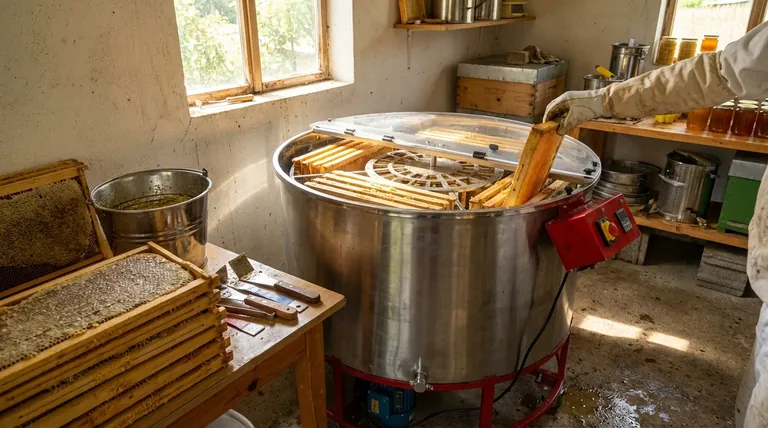
It’s a long day. The air is thick with the sweet smell of honey and the hum of bees. You have dozens, maybe hundreds, of frames to process. Your back aches, and your arms burn from cranking the manual extractor. With each turn, you wonder if there’s a better way.
This isn't just a story about physical fatigue; it's about a fundamental bottleneck. The decision to upgrade from a manual to an electric honey extractor isn't merely about saving a few minutes per batch. It's a strategic choice about labor, scale, and the psychology of managing a growing apiary.
Deconstructing the Harvest Timeline
To understand the value, we must first understand the workflow. The total time for honey extraction is a sum of its parts, and not all parts are created equal.
The Constant: Uncapping the Combs
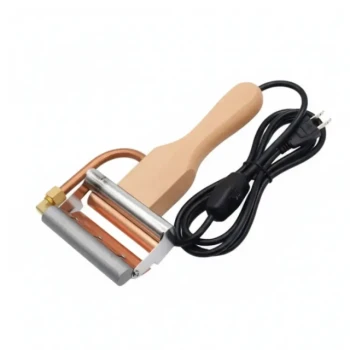
Before any extraction, the wax cappings on the honeycomb must be removed. Whether you use a heated knife, a fork, or a plane, this step is a manual art. Its duration depends on your skill, not your extractor. It's the baseline labor cost of every harvest.
The Variable: The Extraction Cycle
This is where the divergence happens.
- Manual Extraction: Requires 15-20 minutes of continuous, physical cranking per small batch. Your energy is the engine.
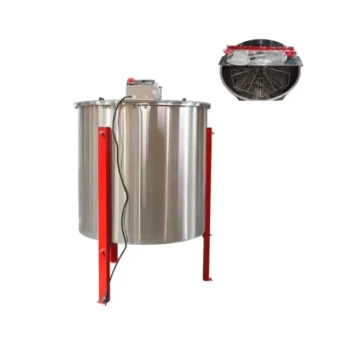
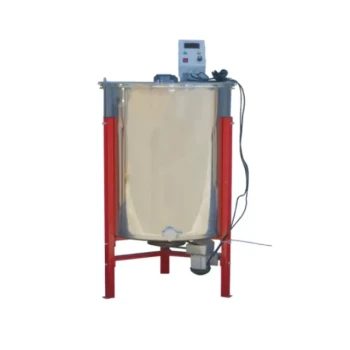
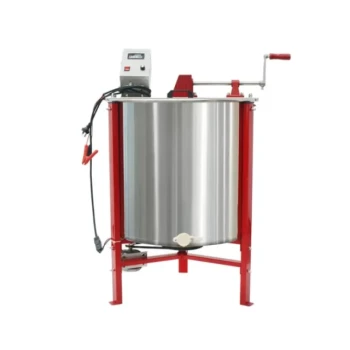
- Electric Extraction: You load the frames, secure the lid, and flip a switch. The machine does the work in a few minutes while you're free to uncap the next batch.
The simple math of minutes saved per cycle is compelling, but it hides the real, compounding benefit.
The Physics of a Less-Stressed System
An electric extractor uses the same principle as a manual one—centrifugal force. But how it applies that force is fundamentally different, with profound impacts on your equipment and your bees.
Controlled Power Protects Your Investment
A good electric motor provides a smooth, consistent ramp-up to speed. This controlled acceleration is gentle on the delicate wax combs.
- Reduces Comb Breakage: Violent, jerky hand-cranking can shatter old or weak frames.
- Preserves Bee Energy: Intact combs are returned to the hive for immediate refilling. The bees don't have to expend enormous energy redrawing a foundation from scratch, which directly translates to a faster next harvest.
The machine isn't just faster; its precision protects the very infrastructure of your apiary.
The Unseen Economics of Labor and Scale
The most significant return on investment in an electric extractor is not measured in minutes, but in the reduction of human costs—both physical and mental.
Eliminating the Labor Bottleneck
With a manual extractor, you are the limiting factor. Your stamina dictates the pace of the entire operation. An electric model removes you from the equation.
- Parallel Processing: While one batch spins, you can be uncapping the next. This simple change transforms a linear, tiring process into an efficient, overlapping workflow.
- Reduced Fatigue: Harvest day is a marathon. By automating the most physically demanding task, you conserve energy for the work that requires your skill, like uncapping and hive management.
Unlocking the Potential to Grow
You cannot scale a commercial operation on manual labor alone. An electric extractor is the gateway to expansion. It's the tool that makes managing ten, fifty, or a hundred hives feasible, transforming a demanding hobby into a viable business.
| Feature | Manual Extractor | Electric Extractor |
|---|---|---|
| Primary Input | Constant Physical Labor | Electricity & Supervision |
| Best Scale | 1-2 Hobby Hives | Growing Hobbyist to Commercial Operation |
| Key Return | Low Initial Cost | Time, Labor Savings, & Scalability |
| Hidden Risk | Operator Fatigue & Burnout | Requires Correct Balancing for Safe Operation |
Managing a More Powerful Tool
With greater efficiency comes a greater need for discipline. An electric extractor is powerful, and respecting its operational needs is non-negotiable.
The Necessity of a Balanced Load
The single most critical rule is balance. Loading frames of unequal weight will cause the machine to vibrate violently. An unbalanced extractor is not just inefficient; it's a safety hazard that can damage itself and your frames. Always pair frames of similar weight opposite each other.
The Requirement for Strong Frames
The intense force generated by an electric motor will exploit any weakness. Only use well-maintained frames with strong wire or plastic foundations. An old, unsupported frame is destined to disintegrate, creating a sticky, time-consuming mess.
The Right Tool for Your Ambition
Choosing an extractor is less about your current hive count and more about your future goals.
- For the Hobbyist: A manual extractor is a perfectly fine starting point. But an electric model is a quality-of-life upgrade that gives you back your time and energy.
- For the Growing Apiary: An electric extractor is an essential investment. It's the tool that allows you to expand without being overwhelmed by the labor of a larger harvest.
- For Commercial Operations & Distributors: High-capacity, durable electric extractors are the cornerstone of profitability. The efficiency and labor savings they provide are not a luxury; they are a core operational requirement.
At HONESTBEE, we understand that professional beekeeping is a business of efficiency. We supply the robust, wholesale-focused electric extractors and equipment that empower commercial apiaries to scale their operations effectively.
If you're ready to move beyond the bottleneck and build a more productive, scalable harvesting process, we have the tools you need. Contact Our Experts
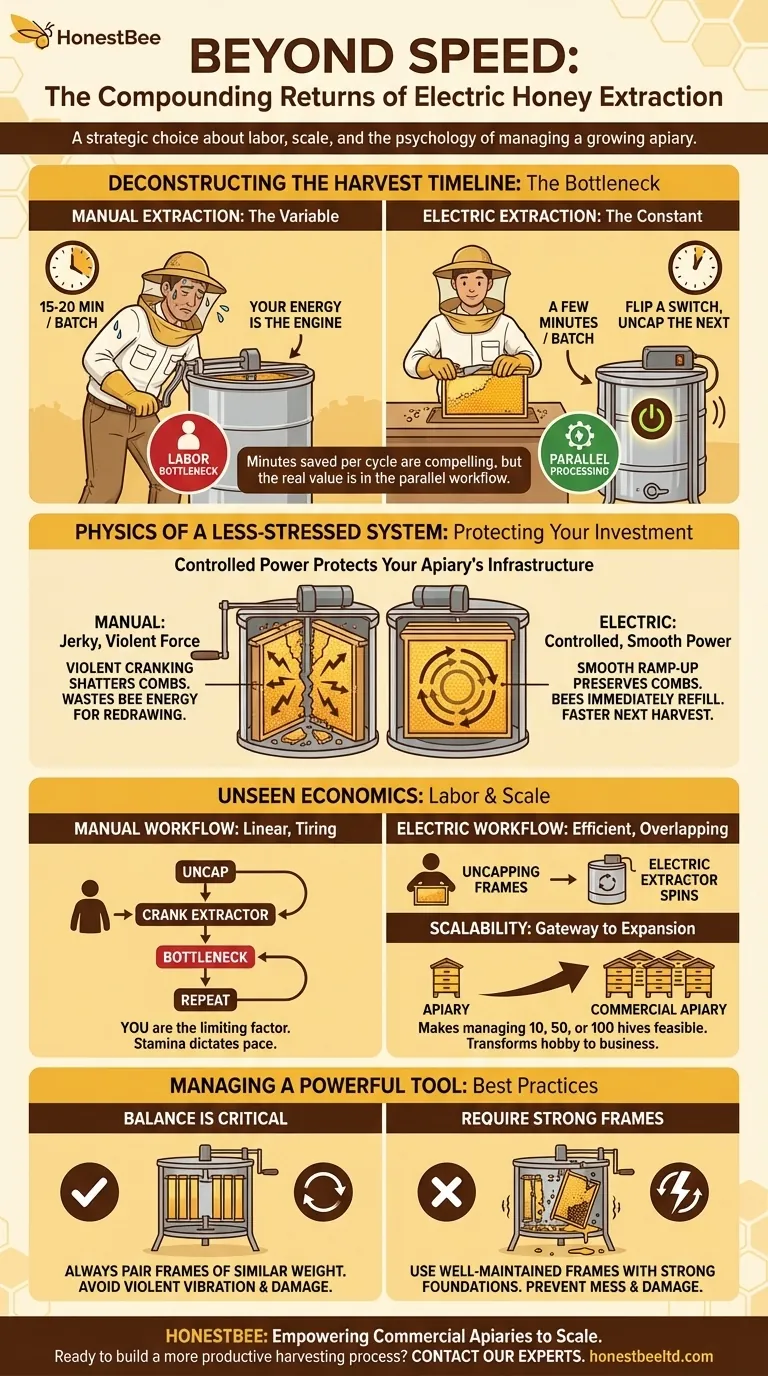
Visual Guide
Related Products
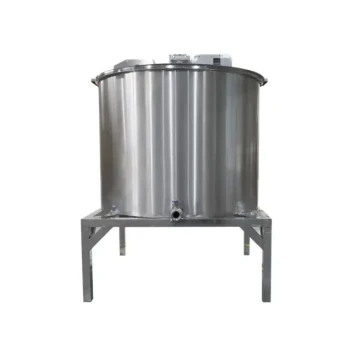
- HONESTBEE 72 Frame Industrial Electric Honey Extractor for Beekeeping
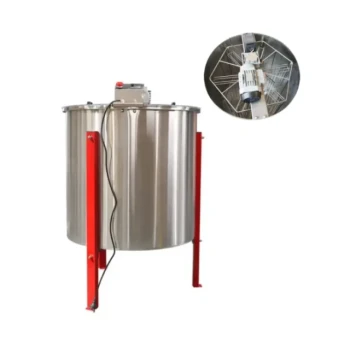
- Commercial Electric 12 Frame Honey Extractor Spinner Motorized Honey Extractor
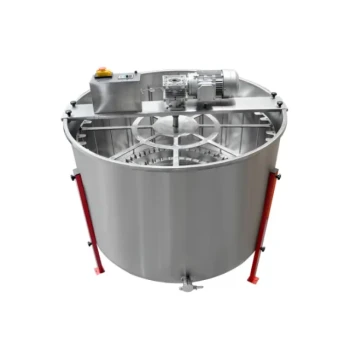
- 32 Frame Commercial Electric Honey Extractor for Beekeeping and Honey Production
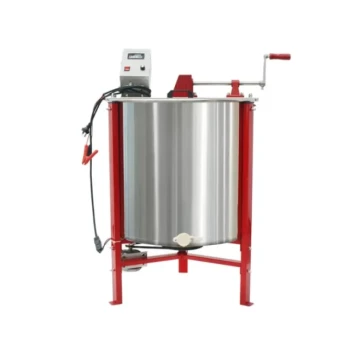
- Electric 4 Frame Tangential Honey Extractor
- electric honey extractor honey centrifuge 3 frame honey extractor stainless steel honey frame extractor
Related Articles
- How to Clean Your Honey Extractor Safely Without Compromising Honey Quality
- Beyond the Harvest: The Critical Discipline of Cleaning Your Honey Extractor
- How to Prevent Honey Extractor Failures: Balancing Loads and Choosing Durable Frames
- How to Harvest Honey Efficiently While Protecting Bee Health
- The Bottleneck in the Bee Yard: How Extractor Physics Dictates Apiary Scale