The Beekeeper's Dilemma: Force vs. Finesse
Honey harvesting presents a fundamental conflict. Your goal is to remove honey supers, but they are occupied by thousands of diligent, defensive residents.
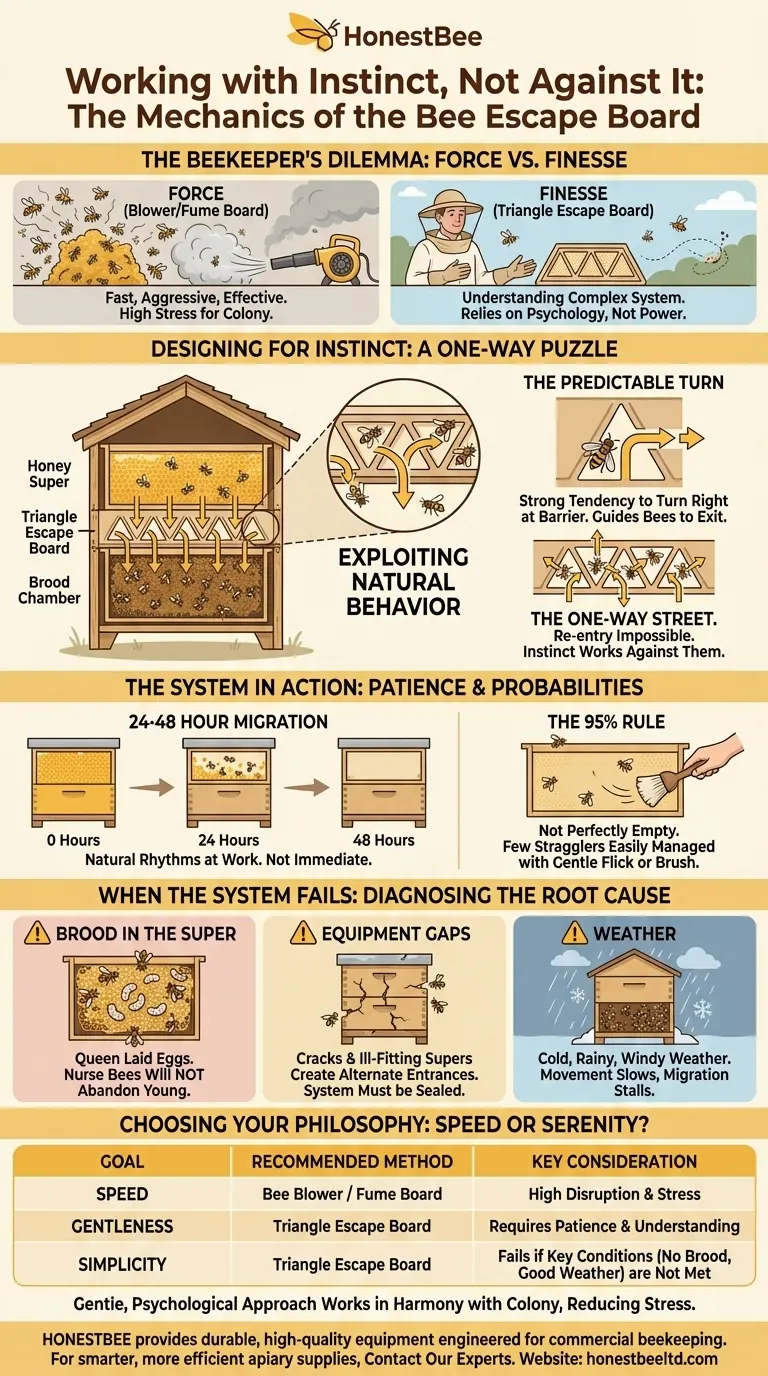
One approach is force. A bee blower or a fume board can clear a super in minutes. It is fast, aggressive, and effective, but it is also chaotic and stressful for the colony.
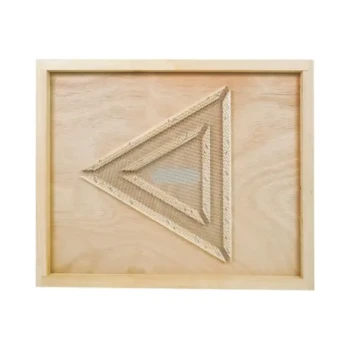
The other approach is finesse. It involves understanding the colony not as an obstacle, but as a complex system governed by predictable behaviors. This is the philosophy behind the Triangle Escape Board—a tool that relies on psychology, not power.
Designing for Instinct: A One-Way Puzzle
The elegance of the escape board lies in its simplicity. It doesn't drive bees out; it simply lets them leave and then prevents their return. This is achieved by exploiting a deep-seated instinct.
The Predictable Turn
When faced with a barrier, a honeybee has a strong tendency to turn right. The board's triangular passages are designed as a simple maze that uses this instinct. As bees move down from the super, their natural behavior guides them easily through the exit points.
The One-Way Street
The real genius is what happens when bees from the brood chamber try to re-enter. They encounter the same structure, but from the "exit" side. Their instincts now work against them, making the puzzle of re-entry almost impossible to solve.
The honey super effectively becomes a one-way street. The population inside gradually dwindles as bees complete their tasks and cycle down into the main hive, with no replacements arriving from below.
The System in Action: Patience and Probabilities
Using an escape board is a test of patience. You are not commanding the bees; you are waiting for their natural rhythms to do the work for you.
The 24 to 48-Hour Migration
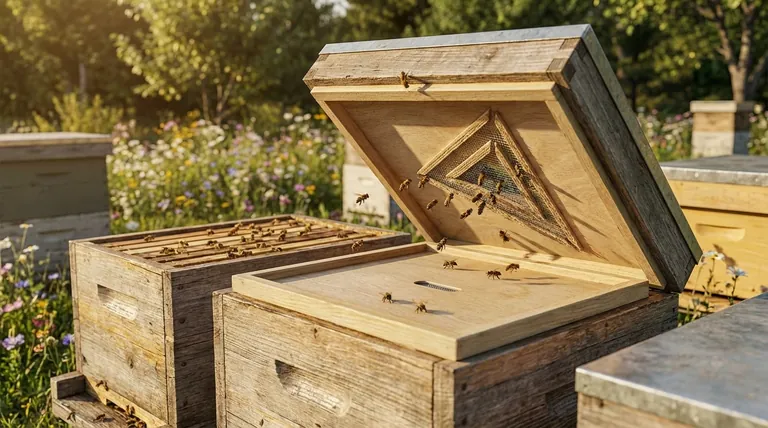
The board should be installed directly beneath the honey supers you plan to harvest. The process is not immediate. It takes one to two full days for the population to migrate out.
Checking after 24 hours will show significant progress, but waiting the full 48 hours typically yields the best results.
The 95% Rule
An escape board will not create a perfectly empty box. A success rate of around 95% is the standard.
The few stragglers left behind are easily managed. A gentle flick or a soft bee brush is all that's needed to clear the remaining bees from the frames. The quality of these final-step tools matters in maintaining a calm process.
When the System Fails: Diagnosing the Root Cause
When an escape board doesn't work, the fault is rarely with the tool itself. The failure is almost always a misunderstanding of the larger hive system.
The Unbreakable Bond: Brood in the Super
This is the most common reason for failure. If the queen has laid eggs in the honey super, the nurse bees have a biological imperative to care for the brood. They will not abandon the young.
No maze or one-way door can override this powerful instinct. Before placing the board, always check every frame for eggs or larvae.
The Unintended Backdoor: Equipment Gaps
The one-way system only works if it's the only way. Cracks in hive bodies or ill-fitting supers create alternate entrances and exits. Foraging bees will quickly find these backdoors, rendering the escape board useless.
This highlights the critical importance of sound, well-constructed equipment. The entire system must be sealed for the one-way door to function as designed.
The External Variable: Weather
Bees are highly sensitive to their environment. During cold, rainy, or windy weather, the colony will cluster for warmth. Movement between boxes slows to a crawl, and the migration process stalls completely. The system works with the bees' natural flow, and when that flow stops, so does the board's effectiveness.
Choosing Your Philosophy: Speed or Serenity?
The right tool depends entirely on your primary goal. The choice reflects your beekeeping philosophy.
| Goal | Recommended Method | Key Consideration |
|---|---|---|
| Speed | Bee Blower / Fume Board | High disruption and stress on the colony. |
| Gentleness | Triangle Escape Board | Requires patience and understanding of bee behavior. |
| Simplicity | Triangle Escape Board | Fails if key conditions (no brood, good weather) are not met. |
While methods of force offer immediate results, the gentle, psychological approach of the escape board works in harmony with the colony, reducing stress and promoting long-term hive health.
Mastering these systems requires not just knowledge, but the right tools. HONESTBEE provides durable, high-quality equipment engineered for the realities of commercial beekeeping operations. For supplies that support a smarter, more efficient apiary, Contact Our Experts.
Visual Guide
Related Products
- HONESTBEE Wooden Bee Escape Board with Triangle Mesh Design for Beekeeping
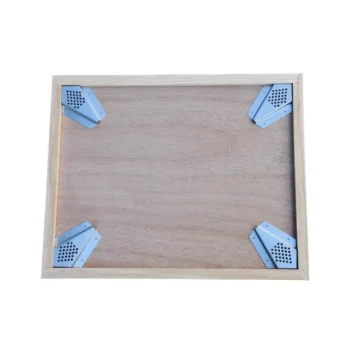
- HONESTBEE 4-Way Metal Corner Wooden Bee Escape Board
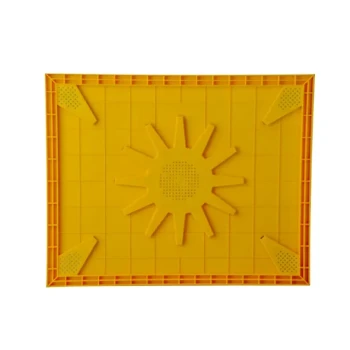
- HONESTBEE Multi Exit Plastic Bee Escape Board for Efficient Honey Harvesting
- High-Efficiency Diamond Maze Bee Escape for Clearing Supers
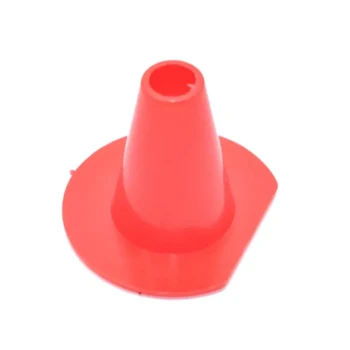
- Professional Cone Style Bee Escape for Efficient Honey Harvesting
Related Articles
- The Quiet Choreography: Mastering the Bee Escape Board for a Systemic Harvest
- How Bee Escape Boards Enable Ethical Honey Harvests Without Colony Stress
- Engineering Empathy: The Quiet Genius of the Bee Escape Board
- Beyond the 24-Hour Rule: The Psychology of the Bee Escape Board
- The Engineer's Gambit: Why Your Bee Escape Board Fails