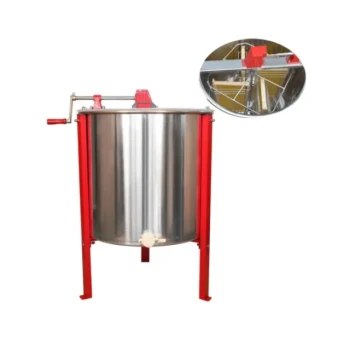
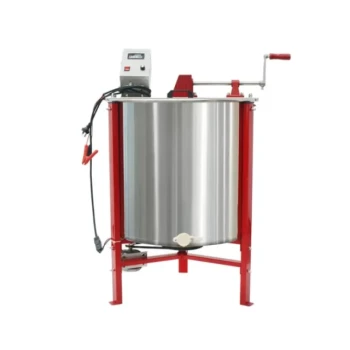
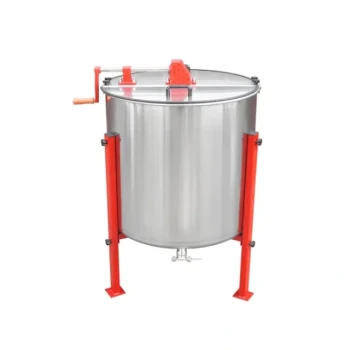
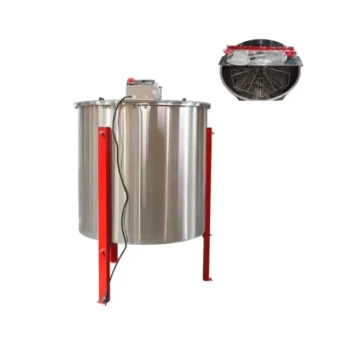
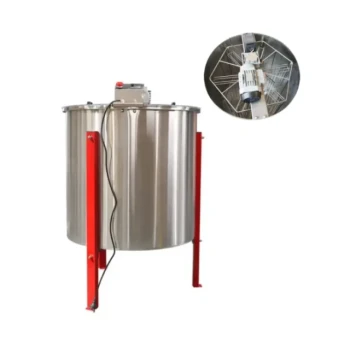
Generally, no. While technically possible with extreme modifications, using a rotary extractor for top-bar combs is highly problematic and discouraged. These combs lack the structural support of a full frame, meaning the centrifugal force required to extract the honey will almost certainly destroy the comb in the process.
The Core Takeaway Top-bar combs are foundationless and lack four-sided support, making them too fragile for standard spinning extractors. Attempting to extract them this way usually results in broken equipment and destroyed comb; the crush and strain method is the standard, effective alternative.
Why Rotary Extraction Fails Top-Bar Hives
The design of a top-bar hive prioritizes natural comb building over mechanical processing. There are four distinct technical barriers that make rotary extraction incompatible with this system.
Structural Fragility
In a standard hive, combs are built into a four-sided frame, often reinforced with wire. Top-bar combs are foundationless and hang from a single bar.
Without the surrounding frame or internal wire support, the comb cannot withstand the G-force of spinning. It breaks apart easily, collapsing into a slurry of wax and honey inside the machine.
Irregular Comb Geometry
Standard extractors are engineered for precise, uniform frame sizes (like Langstroth frames). Top-bar combs are naturally built by the bees and often feature irregular sizes and shapes.
They simply do not fit into the standard baskets or slots of a rotary extractor. Forcing them in can damage both the comb and the extractor's basket mechanism.
The Uncapping Challenge
Before extraction, you must remove the wax cappings from the honeycomb. This requires a flat, even surface to run a heated knife across.
Top-bar combs are rarely uniformly flat. This uneven surface makes it extremely difficult to uncap cells cleanly without gouging the comb or leaving honey behind.
Lack of Containment
When a foundationless comb breaks during spinning—which is likely—loose pieces of wax are flung around the drum.
Most standard extractors do not have cages or screens designed to contain loose chunks of broken comb. These pieces can clog the honey gate or imbalance the spinning mechanism, potentially damaging the motor.
Understanding the Trade-offs
If you are managing a top-bar hive, you must accept a different harvesting philosophy than fixed-frame beekeepers.
The "Crush and Strain" Reality
Because you cannot spin the frames, you cannot return empty drawn comb to the hive. You must harvest by crushing the comb and straining the honey through a filter.
Lower Honey Yields
Since the comb is destroyed during harvest, the bees must consume resources to rebuild it from scratch every time. Consequently, honey production will not match that of a fixed-frame hive where the comb is recycled.
The Beeswax Advantage
The upside to this destruction is the byproduct. Because you are harvesting the entire comb structure, top-bar hives yield a significantly higher quantity of quality beeswax compared to extraction-based hives.
Making the Right Choice for Your Goal
The method of harvest is dictated by the equipment you choose.
- If your primary focus is maximum honey production: You should utilize a fixed-frame system (like a Langstroth hive) which allows for rotary extraction and comb recycling.
- If your primary focus is top-bar beekeeping: You must rely on the crush and strain method, as rotary extraction is mechanically incompatible with your combs.
- If your primary focus is wax production: The top-bar hive is superior, as the harvest process naturally generates clean, foundation-free beeswax.
The definitive advice is to keep top-bar combs out of rotary extractors to avoid destroying your harvest and damaging your equipment.
Summary Table:
| Feature | Top-Bar Comb Harvesting | Fixed-Frame (Langstroth) Harvesting |
|---|---|---|
| Extraction Method | Crush and Strain | Rotary Centrifugal Extraction |
| Comb Reusability | No (Comb is destroyed) | Yes (Comb is recycled) |
| Primary Product | Honey & High Wax Yield | Maximum Honey Production |
| Structural Support | None (Foundationless) | 4-Sided Frame with Wire |
| Required Equipment | Strainers, Buckets | Uncapping Tools, Rotary Extractor |
Elevate Your Apiary with HONESTBEE Professional Equipment
Whether you are managing traditional top-bar hives or high-output commercial apiaries, HONESTBEE provides the professional-grade tools you need to succeed. From precision honey-filling machines and durable extractors for your distributors to essential beekeeping consumables, we offer a comprehensive wholesale portfolio tailored to the needs of modern beekeeping businesses.
Why Partner with HONESTBEE?
- Full Spectrum Supply: We offer everything from hive-making machinery to specialized hardware.
- Commercial Grade Quality: Built to withstand the demands of large-scale honey production.
- Global Distribution: Supporting commercial apiaries and retailers worldwide with reliable equipment.
Ready to scale your honey production or upgrade your wholesale inventory? Contact HONESTBEE Today and let our experts help you find the perfect machinery and tools for your operation!
Related Products
- Stainless Steel Manual 8 Frame Radial Honey Extractor Machine for Beehives
- 24 Frame Honey Extractor Commercial Radial Honey Frame Extraction Machine
- Stainless Steel 3 Frame Manual Honey Extractor Spinner for Bee Honey Extraction
- HONESTBEE 4 Frame Manual Self Reversing Honey Extractor for Beekeeping
- HONESTBEE 8 Frame Electric and Manual Three Use Honey Extractor
People Also Ask
- What types of beehive frames are compatible with honey extractor machines? Find the Perfect Match for Your Apiary
- Which type of honey extractor is generally more durable? Focus on Material & Build Quality for Longevity
- What are the key features and benefits of a stainless steel honey extractor? Upgrade to Professional Purity
- What is a manual honey extractor? The Essential Guide to Cost-Effective Beekeeping for Beginners
- Why are manual extractors popular among beginner beekeepers? A Guide to Starting Simple & Saving Money