For beekeepers managing operations with numerous hives, plastic frames are generally considered the superior long-term investment. While they require a higher initial capital outlay than wood, their robust durability drastically lowers ongoing maintenance and replacement expenses, making them more cost-effective over time.
Large-scale beekeeping is ultimately an exercise in logistics; plastic frames provide a better return on investment by minimizing the recurring labor and material costs associated with repairing or replacing deteriorating wooden equipment.
The Economics of Frame Materials
The Impact of Initial Cost vs. Lifecycle Cost
When analyzing the financial impact of hive components, you must distinguish between the purchase price and the cost of ownership.
Wooden frames typically have a lower entry price, making them attractive for hobbyists or those with limited startup capital.
However, plastic frames command a higher initial price point. This upfront expense is an investment in longevity rather than a consumable cost.
Durability Reduces Overhead
The primary advantage of plastic frames is their resistance to the elements and the rigors of beekeeping.
Wooden frames are organic; they are susceptible to rot, moisture damage, and breakage during hive inspections or honey extraction.
Plastic frames remain rigid and intact for years, significantly reducing the frequency—and cost—of purchasing replacements.
Minimizing Maintenance Labor
For a beekeeper with many hives, time is a scarce resource.
Maintaing wooden frames often involves repairing broken parts or rewiring foundations, which scales poorly as hive numbers increase.
Plastic frames require virtually no assembly or ongoing maintenance, allowing you to focus labor on hive health rather than equipment repair.
Understanding the Trade-offs
The Exception for Specialty Products
While plastic is superior for general production, it is not universally the best choice for every specific goal.
If your objective is to produce and sell comb honey (honey sold still inside the wax comb), plastic is generally unsuitable.
As noted in industry practices, foundationless frames—often wooden—are the standard here, allowing sections of comb to be cut out neatly for sale.
The Budget Constraint
It is important to acknowledge that the higher upfront cost of plastic can be a barrier.
If your operation is capital-constrained, starting with wood is a viable short-term strategy.
However, be aware that you are essentially deferring costs to the future in the form of replacement labor and materials.
Making the Right Choice for Your Scale
To maximize your investment, align your equipment choice with your production goals:
- If your primary focus is long-term efficiency and scale: Choose plastic frames to minimize recurring maintenance costs and maximize durability.
- If your primary focus is producing comb honey: Choose foundationless wooden frames, as they allow for the necessary cutting of the comb.
- If your primary focus is minimizing startup debt: Start with wooden frames, but plan to transition to plastic as components wear out and cash flow improves.
Invest in the equipment that minimizes your labor, not just your initial receipt.
Summary Table:
| Feature | Plastic Frames | Wooden Frames |
|---|---|---|
| Initial Cost | Higher upfront investment | Lower entry price |
| Durability | Exceptional (rot & break resistant) | Susceptible to rot and moisture |
| Maintenance | Virtually zero; no assembly | High (repairing/rewiring required) |
| Lifecycle ROI | Superior for long-term scaling | Better for short-term budget constraints |
| Best Use Case | Commercial honey production | Specialty comb honey production |
Maximize Your Apiary's Efficiency with HONESTBEE
Transitioning to high-durability equipment is the smartest move for growing commercial apiaries and distributors. At HONESTBEE, we understand the logistics of large-scale beekeeping. We provide a comprehensive wholesale range, including robust plastic frames, hive-making machinery, and advanced honey-filling equipment designed to lower your overhead and boost productivity.
Whether you need industrial-grade beekeeping tools or essential consumables, our portfolio is built to support your growth and long-term profitability. Contact us today to optimize your operation!
Related Products
- Plastic Bee Frame Beekeeping Hive Frames for Wholesale
- Assembled Wooden Bee Frames with Plastic Foundation for Durability and Convenience by HONESTBEE
- Durable Plastic Frame Spacer
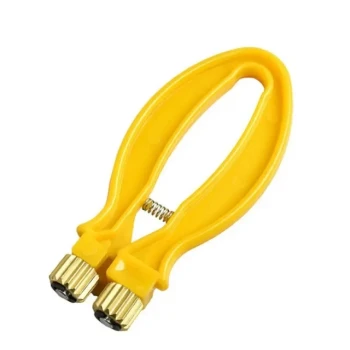
- Ergonomic Plastic Frame Spacer Tool for Rapid Hive Management Beekeeping
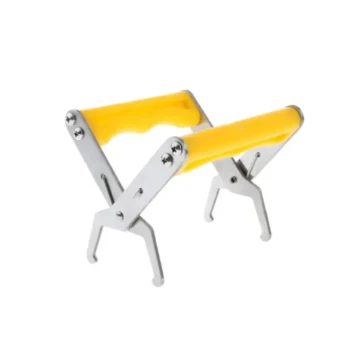
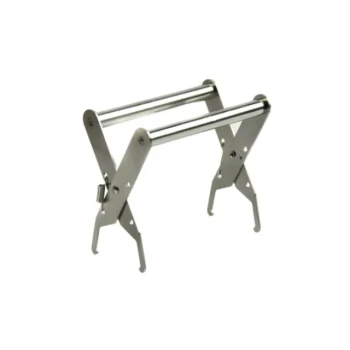
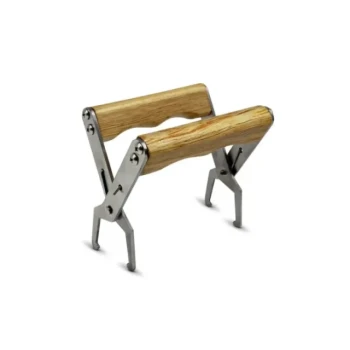
- Ergonomic High Visibility Plastic Frame Grip Handles
People Also Ask
- How should frames be rearranged as a bee colony grows? Master Hive Expansion and Nest Management
- Do bee frames need foundation? Choose the Right Approach for Your Apiary
- Under what circumstances should bee frames be destroyed? Protect Your Apiary from American Foulbrood
- How do you re-wax bee frames? A Simple Guide to Faster Comb Building
- Can beekeepers switch between wooden and plastic frames? Optimize Your Hive's Performance