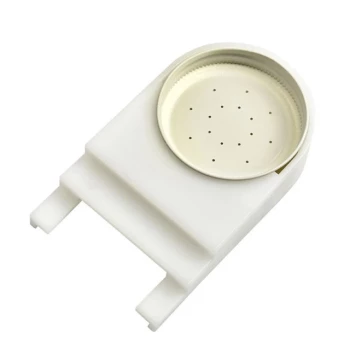
Beekeepers feed bees primarily to bridge the gap between colony needs and environmental reality. This intervention is generally driven by two distinct motivations: countering a natural shortage of resources to ensure survival, or mimicking an abundance of resources to stimulate specific biological behaviors.
The Core Principle Feeding is a strategic management tool used either to sustain a colony when nature cannot provide enough energy, or to trick the hive into accelerating growth and production ahead of the natural season.
Feeding for Survival: Managing Resource Shortages
Beekeepers must intervene when the environment fails to support the colony's basic metabolic needs. Without this assistance, colonies can collapse due to starvation.
Supporting Colonies During Dearths
A "dearth" occurs when there is a natural gap in nectar flow, often caused by drought or seasonal transitions.
During these periods, large colonies consume resources rapidly. Beekeepers provide feed to maintain energy levels until natural forage becomes available again.
Preparation for Overwintering
Survival through the winter is a critical challenge for any hive.
In autumn, beekeepers feed bees to help them build up the necessary food stores. This ensures the colony has sufficient energy reserves to generate heat and survive until the following spring.
Feeding for Stimulation: Mimicking Abundance
Beyond mere survival, feeding is used to trigger behaviors that usually only occur when resources are plentiful. This allows the beekeeper to manipulate the hive's growth cycle.
Encouraging Comb Building
Bees require a significant intake of energy to produce wax.
Feeding sugar syrup, particularly in early spring, mimics a heavy nectar flow. This signals the bees to begin building new comb, expanding the hive's infrastructure earlier than they would naturally.
Establishing New Colonies
Young or small colonies, such as nucleus hives ("nucs"), lack the workforce to forage efficiently.
Beekeepers feed these establishing hives to provide the energy required for rapid stabilization and growth. This support helps them gain a foothold and develop into full-sized, self-sustaining colonies.
Strategic Considerations
While feeding is a powerful tool, it is intended to be a temporary or targeted measure rather than a permanent state.
The Necessity of Timing
The effectiveness of feeding relies entirely on the objective.
Feeding for energy during a dearth is a reactive measure to save the hive. In contrast, feeding for stimulation is a proactive measure to force growth. Misapplying these strategies—such as stimulating growth when the weather cannot support it—can lead to resource mismanagement within the hive.
Aligning Feeding Strategy with Hive Goals
To manage your apiary effectively, you must identify the immediate requirement of your colonies.
- If your primary focus is Colony Survival: Monitor for nectar dearths or low winter stores and feed to maintain basic energy levels.
- If your primary focus is Colony Expansion: Feed sugar syrup in the early spring or when establishing nucleus hives to stimulate comb building and rapid growth.
Successful beekeeping requires reading the environment and intervening only when the bees' natural timeline needs to be adjusted or supported.
Summary Table:
| Feeding Goal | Primary Reason | Timing & Context |
|---|---|---|
| Survival | Counter nectar dearths | During drought or seasonal transitions |
| Overwintering | Build energy reserves | Autumn preparation for cold climates |
| Stimulation | Encourage comb building | Early spring to mimic nectar flow |
| Establishment | Support new colonies | Strengthening Nucs or newly hived swarms |
Scale Your Apiary Operations with HONESTBEE
Strategic feeding is just one part of a successful commercial operation. At HONESTBEE, we empower commercial apiaries and distributors with the professional-grade tools needed to thrive. From high-efficiency honey-filling machines to durable hive-making machinery and essential consumables, our comprehensive wholesale portfolio is designed to maximize your productivity.
Whether you are expanding your colony count or optimizing your honey production line, our team provides the specialized hardware and industry expertise you need to succeed. Contact us today to discuss our wholesale offerings and discover how HONESTBEE can fuel your business growth.
Related Products
- Professional In-Hive Bee Feeder HONESTBEE Frame for Beekeeping
- HONESTBEE Entrance Bee Feeder Efficient Hive Front Liquid Feeding Solution for Beekeeping
- Professional Hive Top Bee Feeder for Beekeeping
- Boardman Entrance Bee Feeder Durable Galvanized Steel and Wood Construction for Beekeeping
- HONESTBEE Entrance Bee Feeder Professional Hive Nutrition Solution for Beekeeping
People Also Ask
- When should beekeepers stop feeding their bees? Let Your Bees Tell You
- Why is the use of a beekeeping feeder for syrup supplementation important? Boost Colony Growth and Survival
- What are the common types of internal and external feeders used in beekeeping? Choose the Right Feeder for Your Hive
- What is a feeder in the context of beekeeping? Optimize Your Hive Nutrition and Growth
- How do specialized feeders contribute to effective artificial feeding? Scientific Apiary Management & Colony Health