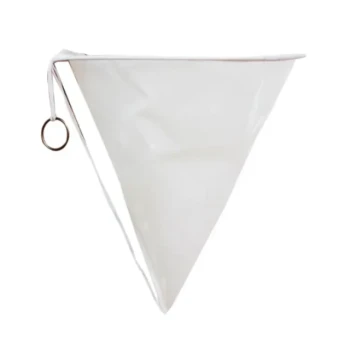
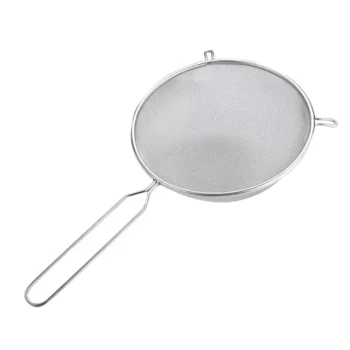
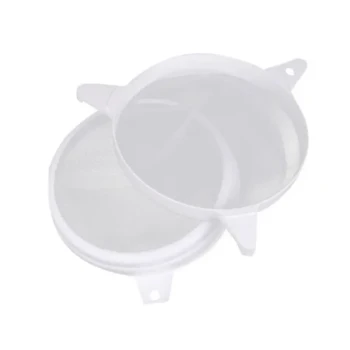
A honey filtering machine is essential because it transforms raw hive extraction into a safe, commercially viable product by effectively removing physical impurities such as wax, bee parts, and excess pollen. Beyond basic cleaning, this equipment is critical for standardizing texture, eliminating air bubbles that affect appearance, and extending shelf life by removing contaminants that accelerate spoilage.
Core Takeaway While beekeeping yields the product, filtration defines its marketability; it bridges the gap between a raw agricultural output and a shelf-stable consumer good by ensuring purity and compliance without compromising the honey's natural integrity.
Achieving Physical Purity and Consistency
Eliminating Contaminants
The primary function of a filtering machine is the removal of macro-impurities. This includes wax particles, bee parts, and other debris that naturally occur during extraction but are unacceptable in a retail product.
Refining Texture and Appearance
Filtration achieves a uniform consistency by removing large particles and trapped air bubbles. This results in the smooth, clear aesthetic that consumers associate with high-quality honey.
Managing Crystallization
Unfiltered honey often contains microscopic particles that act as "seeds" for sugar crystal formation. By removing these particles, filtration significantly delays crystallization, keeping the honey liquid and clear for a longer period.
Ensuring Compliance and Marketability
Meeting Industry Regulations
Commercial distribution requires adherence to strict hygiene and quality standards. Filtering machines ensure producers comply with these regulations, particularly regarding physical isolation and batch purity, which is vital for avoiding trade risks like product rejection.
Controlling Biological Risks
By removing foreign organic matter, filtration reduces the presence of contaminants that can lead to fermentation or spoilage. This is directly responsible for extending the shelf life of the final product.
Preventing Cross-Contamination
For producers targeting specific markets, such as organic or GMO-free sectors, high-precision filtration allows for strict batch tracking. It helps ensure that honey is free from unauthorized transgenic pollen, protecting the crop's value and certification status.
Understanding the Trade-offs
Balancing Clarity with Nutrition
While filtration is essential for clarity, aggressive over-filtration can strip honey of beneficial distinctives. The goal is to remove impurities without removing the natural enzymes and antioxidants that give honey its health benefits.
The Risk of Secondary Heating
Some filtration processes use heat to lower viscosity, but this must be carefully controlled. Excessive heating during filtration can degrade the honey’s natural antimicrobial properties and flavor profile, turning a premium product into a generic sweetener.
Making the Right Choice for Your Goal
To maximize the value of a honey filtering machine, align your filtration strategy with your end market:
- If your primary focus is Mass Market Retail: Prioritize fine filtration to maximize clarity, shelf life, and visual appeal to meet general consumer expectations.
- If your primary focus is Organic or Raw Honey: Utilize high-precision machines designed to remove debris while preserving natural enzymes and pollen content to maintain "raw" certification.
- If your primary focus is Export/Strict Compliance: Ensure your equipment supports rigorous batch tracking to prevent GMO contamination and meet international purity standards.
Filtration is not just about cleaning; it is the critical processing step that secures both the safety and the commercial value of your harvest.
Summary Table:
| Key Benefit | Description | Impact on Marketability |
|---|---|---|
| Physical Purity | Removes wax, bee debris, and macro-impurities | Ensures safety and consumer trust |
| Aesthetic Appeal | Eliminates air bubbles and cloudiness | Creates a premium, clear appearance |
| Shelf Life | Removes particles that trigger crystallization | Extends liquid state for retail display |
| Compliance | Meets hygiene and GMO-free standards | Essential for export and certification |
| Texture Control | Standardizes batch consistency | Provides a smooth, uniform product |
Elevate Your Honey Production with HONESTBEE
At HONESTBEE, we understand that high-quality filtration is the bridge between a raw harvest and a premium commercial product. We specialize in empowering commercial apiaries and distributors with professional-grade honey-processing machinery designed to preserve natural integrity while meeting the world’s strictest purity standards.
Whether you need advanced honey-filling machines, specialized hive-making hardware, or a complete suite of beekeeping tools and consumables, HONESTBEE provides the end-to-end solutions your business deserves. Our equipment is engineered to enhance your efficiency, ensure regulatory compliance, and maximize the market value of every batch.
Ready to scale your apiary operations? Contact our wholesale experts today to find the perfect equipment for your needs.
Related Products
- Professional Stainless Steel Honey Filtering Machine with Water Bath Heating for Beekeeping
- Electric Double Wall Honey Filtering Machine Purifier Equipment for Honey Processing Plant
- Honey Concentrating and Filtering Dehumidifier Machine 2T Capacity for Honey
- Automatic Honey Filling and Filtering Machine for Beekeeping Bottle Filling
- 0.5T Capacity Honey Dehumidifier Dryer with Vacuum Heating and Thickening Filtering Machine
People Also Ask
- Why is filtering honey an important step in honey processing? Ensure Purity, Clarity & Marketability
- Why do people filter honey? For Clarity, Stability, and Consumer Appeal
- What is the best way to filter honey? A Guide to Quality, Clarity, and Raw Preservation
- Is it necessary to filter honey after extraction? A Guide to Straining vs. Raw Honey
- What are the benefits of using honey filters? Achieve Purity, Efficiency, and Market Appeal