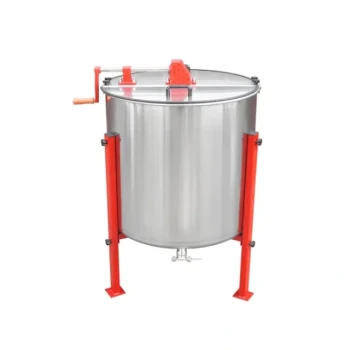
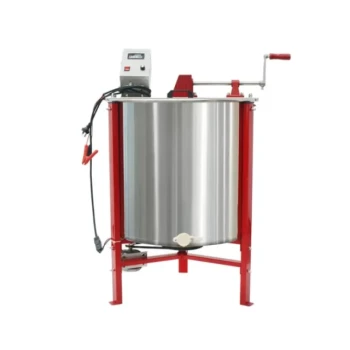
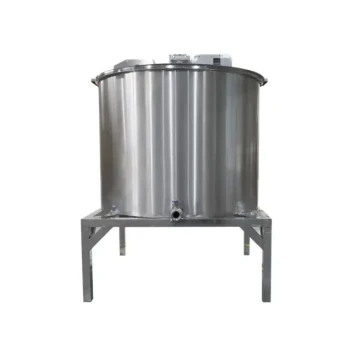
A manual honey extractor is recommended primarily for hobbyists and small-scale beekeepers managing fewer than 10 hives. Because these devices rely entirely on physical hand-cranking to generate centrifugal force, they are best suited for those harvesting honey for personal use rather than high-volume commercial production.
Core Takeaway The decision between manual and electric extraction hinges on the balance between budget and labor. Manual extractors are the affordable, standard choice for operations with under 10 hives, whereas exceeding this threshold usually makes the physical exertion inefficient compared to electric alternatives.
Assessing the Right Scale for Manual Extraction
The 10-Hive Threshold
The industry standard guideline suggests that a manual extractor remains efficient only until your apiary exceeds 10 hives.
Below this number, the volume of frames to be spun is manageable within a reasonable timeframe. Beyond this point, the time investment required to hand-crank every frame becomes a significant bottleneck in your workflow.
Focus on Personal Use
Manual extractors are specifically designed for low-volume harvesting intended for personal consumption or small gifts.
If your goal is simply to enjoy the fruits of a hobby without significant overhead, the manual extractor fits the scope perfectly. It avoids the complexity and expense of motorized equipment that is unnecessary for small batches.
Understanding the Trade-offs
Affordability vs. Physical Labor
The primary advantage of a manual extractor is cost effectiveness; it provides an affordable entry point for beginners.
However, the cost savings come at the expense of physical effort. You provide the power to spin the internal basket, which can become exhausting if you are processing supers from many hives at once.
Speed Constraints
Manual extraction is inherently slower than electric processing.
While an electric extractor works quickly and autonomously, a manual device requires your constant engagement and physical force. This makes it unsuitable for time-sensitive commercial operations where efficiency is paramount.
When to Upgrade to Electric
Moving to Commercial Scale
If you are transitioning from a hobby to a business, a manual extractor will likely hinder your growth.
Large-scale commercial beekeepers, or those with high volumes of honey, almost exclusively use electric extractors. These machines eliminate the manual labor component, allowing for the rapid processing required to make the business viable.
Exceeding the Hive Limit
Once your operation grows beyond the 10-hive mark, the efficiency gains of an electric motor justify the higher price tag.
At this scale, the "sweat equity" required to use a manual device creates diminishing returns, making an electric model the more logical investment for your time.
Making the Right Choice for Your Goal
- If your primary focus is keeping startup costs low: Stick to a manual extractor, provided you are willing to perform the physical cranking required.
- If your primary focus is efficiency and speed: Avoid manual devices if you have anywhere near 10 hives, as the labor will quickly become prohibitive.
- If your primary focus is commercial expansion: Invest immediately in an electric extractor, as manual options cannot support the high volume of a growing business.
Select the tool that matches not just your current hive count, but your tolerance for manual labor.
Summary Table:
| Feature | Manual Honey Extractor | Electric Honey Extractor |
|---|---|---|
| Recommended Scale | 1–10 Hives (Hobbyist) | 10+ Hives (Commercial/Professional) |
| Power Source | Physical Hand-Cranking | Electric Motor |
| Upfront Cost | Low / Budget-friendly | Higher Investment |
| Labor Intensity | High (Manual effort required) | Low (Autonomous operation) |
| Processing Speed | Slower, batch-dependent | High-speed, high-volume |
Elevate Your Apiary with HONESTBEE
Whether you are a growing hobbyist or a large-scale commercial distributor, HONESTBEE provides the professional-grade tools you need to succeed. We specialize in catering to commercial apiaries and distributors with a comprehensive wholesale offering, ranging from manual and electric honey extractors to advanced hive-making and honey-filling machinery.
Our Value to You:
- Full Spectrum Supply: Access everything from essential industry consumables to specialized beekeeping hardware.
- Wholesale Expertise: Benefit from bulk pricing and a portfolio designed for high-volume efficiency.
- Cultural Merchandise: Expand your brand with our unique honey-themed cultural products.
Ready to scale your production and maximize efficiency? Contact HONESTBEE today to discuss your wholesale needs and discover how our equipment can streamline your honey harvest!
Related Products
- Stainless Steel 3 Frame Manual Honey Extractor Spinner for Bee Honey Extraction
- HONESTBEE 4 Frame Manual Self Reversing Honey Extractor for Beekeeping
- HONESTBEE 3-Frame Manual Acrylic Honey Extractor
- Stainless Steel Manual 8 Frame Radial Honey Extractor Machine for Beehives
- 6 Frame Manual Stainless Steel Honey Extractor Beekeeping Equipment
People Also Ask
- Which type of honey extractor is generally more durable? Focus on Material & Build Quality for Longevity
- What are the disadvantages of a manual honey extractor? Overcome Efficiency Bottlenecks in Your Apiary
- What is a manual honey extractor? The Essential Guide to Cost-Effective Beekeeping for Beginners
- Why are manual extractors popular among beginner beekeepers? A Guide to Starting Simple & Saving Money
- What are the primary advantages of utilizing a manual honey extractor? Cost-Effective & Gentle Harvesting