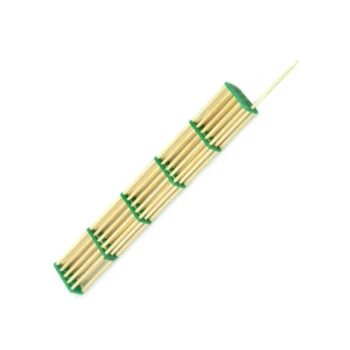
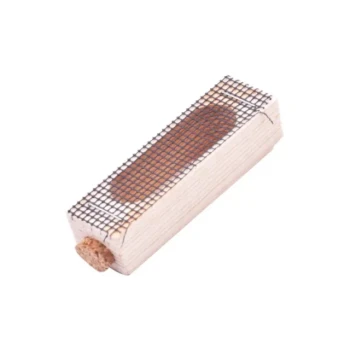
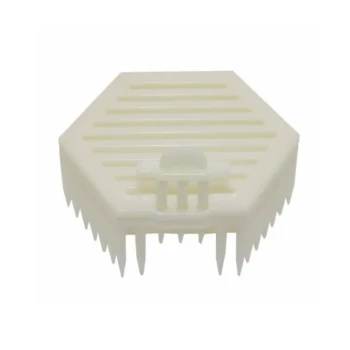
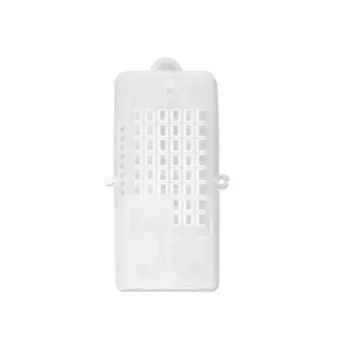
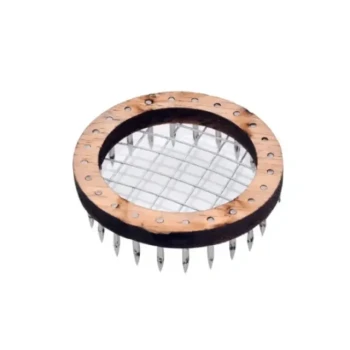
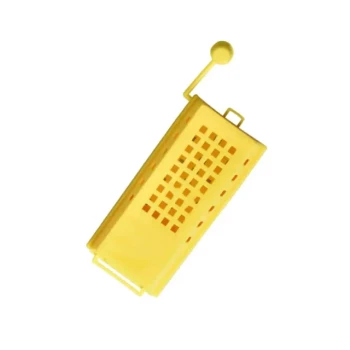
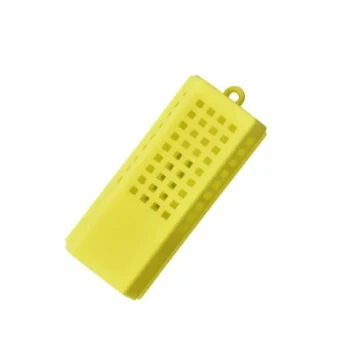
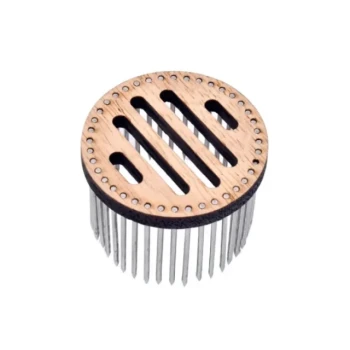
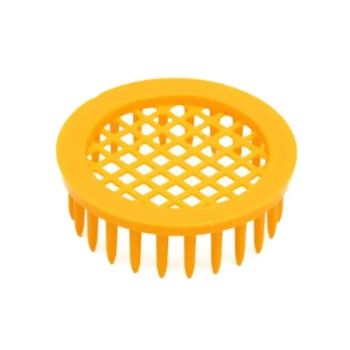
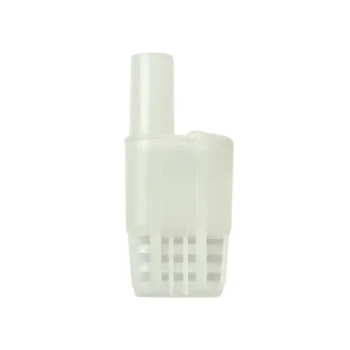
The brood cage introduction method is specifically designed for high-risk scenarios. It is most effective when introducing a queen to colonies exhibiting high levels of aggression or hives that have been queenless for an extended period. In these delicate situations, standard introduction methods frequently fail, resulting in the rejection or death of the new queen.
The success of this method relies on biology rather than force: by allowing the queen to bond first with newly emerging bees inside a protected environment, you build an internal "acceptance squad" that integrates her safely into the hostile colony.
Solving the Rejection Problem
Standard cages often fail in difficult hives because the older bees remain hostile even after the candy is eaten. The brood cage method circumvents this by altering the demographics of the bees interacting with the queen.
Addressing Aggressive Colonies
Colonies known for "hot" or aggressive behavior are notoriously difficult to requeen.
The worker bees in these hives possess a strong defensive instinct and are prone to "balling" (killing) a new queen instantly upon release.
The brood cage isolates the queen from these aggressive adults while allowing her to establish her pheromones in a controlled setting.
Requeening Long-Term Queenless Hives
A colony that has been without a queen for a significant time is unstable.
These hives often have disrupted pheromone balances and may be on the verge of developing laying workers.
Because they have drifted so far from a normal state, they are highly likely to reject a new queen introduced via traditional methods.
The Mechanism of Success
To understand why this method works for these specific colony types, you must understand the behavior of the "nurse bee" or newly emerged worker.
The "Clean Slate" Principle
The core advantage of this method is the use of emerging brood within the cage.
Bees that emerge from their cells while inside the cage have never known another queen.
Because they have no memory of a previous matriarch, they accept the new queen immediately and without hesitation.
Creating a Buffer Zone
When the cage is eventually opened, the queen is not stepping out alone into a hostile environment.
She is released alongside a retinue of young, accepting bees that have already been grooming and feeding her.
This creates a buffer that significantly increases the probability that the older, more difficult bees in the rest of the colony will accept her.
Understanding the Trade-offs
While highly effective for difficult colonies, this method is not always the default choice for every situation.
Resource Requirements
Unlike a simple shipping cage introduction, this method requires a frame of capped brood.
You must have access to other healthy hives to source this brood frame, which may not be possible for a beekeeper with a single, failing colony.
Complexity and Time
This is a more involved process than the "install and wait" approach of candy cages.
It requires careful selection of the brood frame (ensuring no adult bees are trapped inside) and typically involves more manipulation of the hive.
However, for aggressive or long-term queenless colonies, this extra effort is often the difference between success and failure.
Making the Right Choice for Your Goal
Not every hive requires this level of intervention, but knowing when to use it is a hallmark of advanced apiary management.
- If your primary focus is a standard requeening: A traditional candy cage is likely sufficient for a gentle, queen-right colony.
- If your primary focus is salvaging an aggressive colony: Use the brood cage method to bypass the defensive instincts of the older workforce.
- If your primary focus is fixing a long-term queenless hive: Use this method to leverage naive, emerging bees to re-stabilize the colony's hierarchy.
By leveraging the biological acceptance of young bees, you turn a high-risk introduction into a manageable process.
Summary Table:
| Colony Condition | Risk Level | Why Brood Cage Method Works |
|---|---|---|
| Highly Aggressive | Critical | Isolates queen from hostile adults; establishes pheromones via nurse bees. |
| Long-term Queenless | High | Re-stabilizes hive hierarchy using naive, newly emerged bees. |
| Developing Laying Workers | High | Creates a protected 'acceptance squad' to override pheromone imbalance. |
| Standard Requeening | Low | Overkill; traditional candy cages are usually sufficient for gentle hives. |
Scale Your Apiary Success with HONESTBEE
Managing aggressive or failing colonies requires the right tools and expertise. HONESTBEE is dedicated to supporting commercial apiaries and distributors with a comprehensive wholesale range of professional beekeeping solutions. From precision-engineered hive-making and honey-filling machinery to essential industry consumables and high-quality hardware, we provide the infrastructure you need to minimize queen loss and maximize productivity.
Whether you are supplying local beekeepers or managing a large-scale operation, our portfolio of tools and honey-themed cultural merchandise is designed to give you a competitive edge. Let us help you streamline your queen introduction and honey production processes.
Contact HONESTBEE Today to Discuss Your Wholesale Needs
Related Products
- Langstroth Honey Bee Box Hive Boxes for Different Depths
- Australian Langstroth Beehive Boxes for Beekeeping Wholesales
- Professional Bamboo Queen Isolation Cage
- Classic Wooden and Mesh California Queen Cage
- Hexagonal Direct Comb Introduction Queen Bee Cage
People Also Ask
- What role do standardized Langstroth boxes play in commercial apiary management and honey bee research? | HONESTBEE Guide
- What are the differences between the three standard depths of Langstroth boxes? Choose the Best Size for Your Apiary
- What are the primary advantages of using standardized Langstroth boxes? Scale Your Commercial Beekeeping Operation
- What are the typical uses for the different box sizes in a Langstroth hive? Master Hive Management & Efficiency
- What features of Langstroth hive boxes contribute to expandability and honey yield? Maximize Your Apiary Production