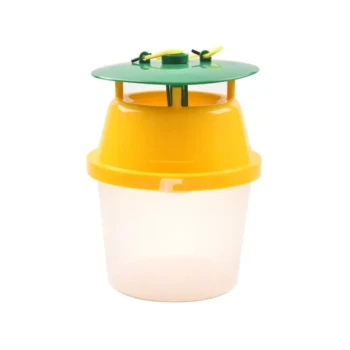
Commercial hop-derived miticides act as a specialized bio-based consumable designed to rapidly suppress Varroa mite populations within honeybee colonies. They are utilized primarily as a first-stage intervention, leveraging a unique mechanism of action that is lethal to parasites but maintains a high safety profile for the bees. Rather than serving as a standalone solution, these treatments are most effective when layered with environmental controls and other management strategies.
Core Takeaway Hop-derived miticides are best utilized as the foundational step in an Integrated Pest Management (IPM) protocol. Their unique bio-based properties allow for the rapid reduction of mite pressure while preserving colony health, setting the stage for subsequent environmental or chemical controls.
The Role in Integrated Pest Management (IPM)
Acting as a First-Stage Treatment
These compounds are specifically positioned as a first-stage treatment. Their primary utility is to lower the immediate "pressure" of the Varroa infestation efficiently.
By reducing the parasite load early in the treatment cycle, they prevent the infestation from overwhelming the colony before other long-term measures take effect.
Synergy with Environmental Controls
Hop-derived miticides are rarely used in isolation in advanced setups. They are frequently paired with environmental controls, such as carbon dioxide applications.
This combination provides multiple layers of suppression. The chemical action of the hop derivatives weakens the mites, while the environmental control ensures a more comprehensive elimination of the parasite.
Mechanism and Safety Profile
Unique Action Against Parasites
The effectiveness of these miticides lies in their unique mechanism of action. Unlike standard synthetic chemicals, hop derivatives attack the biological systems of the mite in a way that differs from traditional pesticides.
This distinct mode of action is crucial for breaking the lifecycle of the mite, particularly in populations that may be developing tolerance to other treatments.
Preserving Colony Health
A defining characteristic of hop-derived treatments is their relative safety for honeybees.
The formulation targets the physiology of the mite without causing significant harm to the bees. This allows beekeepers to treat the colony without the risk of weakening the workforce or contaminating the hive environment with harsh toxins.
Strategic Timing and Resistance Management
Utilizing Critical Treatment Windows
To maximize efficacy, these consumables must be applied at critical time points. A common strategic window is the autumn treatment following the honey harvest.
Treating during this post-harvest period eliminates adult mites before the colony enters winter dormancy. This ensures the colony's hygiene indicators meet the requirements for safe overwintering and future production.
Preventing Resistance Through Rotation
Hop-derived miticides play a vital role in resistance management. Over-reliance on a single class of chemical allows parasites to adapt and survive.
By rotating bio-based hop treatments with other classes of acaricides, beekeepers prevent Varroa mites from developing resistance. This strategic rotation ensures that chemical interventions remain effective year after year.
Understanding the Trade-offs
The Limitation of "First-Stage" Solutions
While effective, it is important to recognize that these are classified as first-stage treatments. They are designed for rapid reduction rather than total eradication on their own.
Relying exclusively on hop-derived products without follow-up measures or environmental controls may leave residual mite populations that can rebound.
The Necessity of Precision
Bio-based consumables require precise application to be effective. Unlike systemic chemicals that persist for long periods, these treatments often act quickly and degrade naturally.
Failure to apply them at the exact critical time points—such as immediately post-harvest—can significantly reduce their impact on colony hygiene.
Making the Right Choice for Your Goal
When incorporating hop-derived miticides into your apiary management, consider your specific objectives:
- If your primary focus is rapid infestation control: Utilize hop derivatives as an immediate knockdown agent in combination with environmental controls like carbon dioxide.
- If your primary focus is long-term resistance management: Rotate hop-derived treatments with other distinct classes of acaricides to prevent mites from adapting to a single chemical source.
- If your primary focus is colony safety: Prioritize these bio-based treatments during sensitive periods where harsh synthetics might compromise bee health.
Effective mite control is not about finding a "magic bullet," but about layering safe, bio-based tools to maintain a hygienic and productive colony.
Summary Table:
| Feature | Description |
|---|---|
| Primary Role | First-stage intervention & rapid mite knockdown |
| Mechanism | Unique bio-based action safe for bees, lethal to mites |
| Strategic Timing | Critical post-harvest window (Autumn) |
| IPM Integration | Best paired with environmental controls (e.g., CO2) |
| Resistance Mgmt | Prevents adaptation when rotated with other acaricides |
Scale Your Apiary Success with HONESTBEE
Maintaining colony hygiene is the foundation of a productive commercial operation. At HONESTBEE, we empower commercial apiaries and distributors with a comprehensive wholesale ecosystem.
Our expertise extends beyond bio-based consumables to include:
- High-Efficiency Machinery: Hive-making and honey-filling machines for industrial scaling.
- Professional Tools: A full spectrum of beekeeping hardware and equipment.
- Market Growth: Honey-themed cultural merchandise to diversify your retail portfolio.
Whether you are managing thousands of colonies or supplying the next generation of beekeepers, our specialized solutions ensure your operation remains resilient and profitable.
Ready to upgrade your equipment and consumables?
Contact HONESTBEE Today
References
- Stephen O Onayemi, Walter S. Sheppard. Elevated CO2 Increases Overwintering Mortality of <i>Varroa destructor</i> (Mesostigmata: Varroidae) in Honey Bee (Hymenoptera: Apidae) Colonies. DOI: 10.1093/jee/toac065
This article is also based on technical information from HonestBee Knowledge Base .
Related Products
- Heavy-Duty Ergonomic Grip Galvanized Pollen Shovel
- Premium Traditional Copper Bee Smoker with Bellows
- Professional Dual Action Queen Excluder Scraper for Beekeeping
- Solar Beeswax Melter Easy Solar Wax Melter for Beeswax
- Compact Circular Bee Mite Treatment Dispenser
People Also Ask
- For what reasons do beekeepers collect bee pollen? Boost Hive Health and Unlock New Revenue Streams
- Why should commercial apiaries focus on the collection of diversified bee products? Maximize Your Hive’s Profit Potential
- How do bee pollen collection tools affect the quality of bee pollen used in functional dairy ice cream production?
- How does a specialized pollen collector facilitate the harvesting of diverse bee products? Automate High-Value Yields
- What is the impact of pollen collectors and associated equipment on the cost structure of pollen production? Maximize ROI