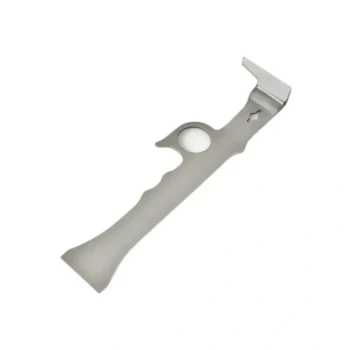
Professional sampling tools and observation chambers are essential for isolating individual bees displaying specific clinical signs, such as crawling behavior or abdominal swelling. By capturing these specific bees, technicians can perform tissue sectioning and visual inspection to distinguish between true Nosema infection and non-pathological environmental stressors.
Effective Nosema diagnosis relies on a two-step protocol: targeted field sampling of symptomatic bees using observation chambers, followed by rigorous microscopic analysis to confirm spore presence and intensity.
The Role of Field Sampling Equipment
Targeted Isolation
Professional sampling tools are designed to capture specific members of the colony rather than a random sample.
Technicians use these tools to isolate bees exhibiting clinical symptoms, specifically those unable to fly (crawling) or those showing signs of abdominal swelling.
The Observation Chamber
Once captured, bees are placed in observation chambers.
This equipment allows for a controlled visual inspection of the bee’s behavior and physical condition without the chaos of the open hive.
It acts as the first line of filtration, separating potentially infected stock from healthy workers for further analysis.
Laboratory Observation and Confirmation
Tissue Sectioning and Preparation
Visual symptoms alone are not confirmation of disease; physical analysis is required.
Technicians perform tissue sectioning on the sampled bees to prepare them for microscopic viewing.
As noted in supplementary data, this often involves creating tissue homogenates, where bee tissue is processed to release any potential spores into a suspension.
Microscopic Spore Counting
To confirm the diagnosis, professional microscopes are used in conjunction with counting plates (hemocytometers).
This equipment allows technicians to visually detect and count Nosema spores within the prepared tissue samples.
This step is critical for determining the infection intensity—moving from a simple "yes/no" diagnosis to a quantifiable measurement of the colony's viral load.
Ensuring Diagnostic Accuracy
Differentiating Pathogens from Environment
A primary function of these tools is to rule out false positives.
Symptoms like crawling or swelling can result from environmental factors, such as pesticide exposure or dysentery, rather than Nosema.
By combining the observation chamber's selection process with tissue analysis, technicians can accurately determine if the colony is infected by Nosema spores or suffering from external stress.
Validating Molecular Results
While molecular detection is highly sensitive, physical observation remains a standard for validation.
Direct observation via counting plates serves as a reliable physical method to verify results obtained through molecular testing, ensuring the data is accurate before treatment begins.
Understanding the Trade-offs
Symptom Reliability
Reliance on visual sampling tools alone has limitations.
Bees can be infected with Nosema without showing the classic "crawling" or "swelling" symptoms (asymptomatic carriers).
Therefore, sampling only symptomatic bees via observation chambers may underestimate the total infection rate of the colony.
Labor Intensity
Using counting plates and microscopes provides high accuracy but is labor-intensive.
Unlike rapid field tests, this method requires specialized equipment and trained personnel to distinguish spores from other tissue debris.
Making the Right Choice for Your Goal
To effectively manage Nosema, you must match your diagnostic approach to your specific management objective.
- If your primary focus is initial triage: Utilize observation chambers to quickly identify and isolate bees with crawling behavior or swollen abdomens for further testing.
- If your primary focus is quantifying infection severity: Rely on professional microscopes and counting plates to analyze tissue homogenates for an exact spore count.
True diagnostic confidence comes from combining careful selection of symptomatic bees with the precision of microscopic verification.
Summary Table:
| Diagnostic Step | Equipment Used | Key Function |
|---|---|---|
| Field Sampling | Observation Chambers & Capture Tools | Isolating symptomatic bees (crawling/swollen abdomens) |
| Sample Preparation | Sectioning Tools & Homogenizers | Creating tissue suspensions for spore release |
| Quantification | Hemocytometers (Counting Plates) | Measuring spore density and infection intensity |
| Confirmation | Professional Microscopes | Visual verification of spores vs. environmental stressors |
Secure Your Colony's Health with HONESTBEE
As a commercial apiary or honey industry distributor, your success depends on the health of your stock and the precision of your tools. HONESTBEE specializes in providing a comprehensive wholesale range of professional beekeeping machinery and equipment designed for industrial-scale operations.
From advanced honey-filling machines to the essential tools required for disease monitoring and colony management, we provide everything you need to maintain peak productivity. Partner with us to access high-quality hardware and industry consumables tailored to the needs of professional beekeepers.
Ready to elevate your apiary's performance? Contact HONESTBEE today to explore our wholesale equipment solutions!
References
- Nitika Negi, Panma Yankit. Impact of Weather Parameters on Seasonal Incidence of Diseases and Enemies in Apis cerana F.. DOI: 10.20546/ijcmas.2018.712.005
This article is also based on technical information from HonestBee Knowledge Base .
Related Products
- Professional Dual-End Stainless Steel Hive Tool for Beekeeping
- Stainless Steel J Hook Hive Tool for Beekeeping
- HONESTBEE Classic Pry Bar Hive Tool with High Visibility Finish for Beekeeping
- HONESTBEE 15-in-1 Beekeeper Multi-Tool with Hammer and Pliers for Beekeeping
- HONESTBEE Professional Mini J-Hook Hive Tool for Beekeeping
People Also Ask
- What specific challenges do beekeeping hive tools address during hive maintenance? Essential Solutions for Apiaries
- Why are professional hive tools considered indispensable? Master Beekeeping Maintenance with Precision Leverage
- What is the role of professional hive tools in routine apiary maintenance? Expert Tips for Hive Health and Longevity
- What role do professional beehives and beekeeping tools play in honey prosumption? Scale yield & commercial success.
- What are the primary functions of a stainless steel hive tool? Essential Equipment for Professional Beekeeping