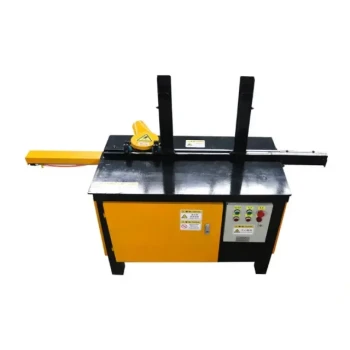
To modify a grooved bottom bar against small hive beetles, you must seal the open channel. This involves filling the groove completely to remove pest harborage. You can achieve this by gluing a thin strip of wood into the slot or inserting a wooden paint stir stick with glue and snapping it off flush with the bottom bar's surface.
The core principle of small hive beetle management is removing the safe havens where pests evade the colony's defenses. By filling the groove in your bottom bars with wood and glue, you eliminate a prime hiding spot, forcing beetles into exposed areas where bees can harass and corral them.
Why Grooved Bottom Bars are Vulnerable
The Beetle's Hiding Strategy
Small hive beetles (SHB) are opportunistic pests that seek refuge in debris and tight crevices.
They specifically look for physical boundaries where honey bees cannot follow or reach them.
The Problem with Open Grooves
Standard grooved bottom bars create a perfect, protected "tunnel" running the length of the frame.
Because bees often cannot squeeze into this space to attack, it allows beetles to reproduce and hide without harassment.
Step-by-Step Modification Methods
Method 1: The Paint Stir Stick Trick
This is often the most accessible method for retrofitting existing equipment.
Apply wood glue to a standard wooden paint stir stick and insert it firmly into the groove of the bottom bar.
Once the glue sets, snap the stick off so that the wood sits flush with the surface of the bottom bar.
Method 2: Custom Wood Strips
Alternatively, you can cut thin strips of wood specifically sized to the dimensions of your bottom bar grooves.
Glue these strips into the groove, ensuring there are no gaps left for beetles to enter.
The goal is to create a solid, flat surface that offers no refuge.
Understanding the Trade-offs and Limitations
Modification Labor vs. Replacement
Retrofitting hundreds of frames with wood strips and glue is labor-intensive.
If your operation is large, the time cost of modifying old frames may outweigh the cost of simply purchasing frames with solid bottom bars for future expansions.
Physical Modification is Not a Cure-All
Modifying frames removes hiding spots, but it does not stop an infestation on its own.
As noted in apiary research, roughly 50% of the adult beetle population aggregates on the bottom board, hiding in debris rather than just in frame grooves.
If you modify frames but fail to maintain apiary hygiene, beetles will simply relocate to the floor of the hive.
Supporting Strategies for Beetle Control
Colony Strength is Critical
Physical modifications must be paired with biological defense.
Maintain strong, well-populated colonies with a young, productive queen to ensure the bees can actively defend the hive.
Minimizing Disturbances
Limit the frequency of hive inspections.
Excessive disturbance can trigger female beetles to lay eggs, worsening the infestation.
Apiary Hygiene
Keep bottom boards clean and remove debris where beetles congregate.
Additionally, process honey, wax cappings, and pollen immediately after removal to prevent these materials from becoming beetle breeding grounds.
Making the Right Choice for Your Goal
To effectively manage small hive beetles, align your actions with your specific equipment status:
- If your primary focus is retrofitting existing gear: Use the glue and paint stir stick method to quickly seal grooves and eliminate hiding spots.
- If your primary focus is long-term prevention: Combine frame modifications with strict apiary hygiene, ensuring strong colonies cover all available comb.
By eliminating physical hiding spots like bottom bar grooves, you remove the beetle's sanctuary and give the advantage back to your bees.
Summary Table:
| Modification Aspect | Method: Paint Stir Stick | Method: Custom Wood Strips | Solid Bottom Bar Upgrade |
|---|---|---|---|
| Application | Retrofitting existing frames | Precise custom fitting | New hive equipment |
| Material | Stir stick + Wood glue | Sized wood strips + Glue | No modification needed |
| Efficiency | High for small apiaries | Moderate (requires cutting) | Most efficient for scale |
| Key Benefit | Low-cost pest reduction | Creates a seamless surface | Permanently removes harborage |
Secure Your Apiary Against Pests with HONESTBEE
Don't let small hive beetles compromise your honey production. HONESTBEE provides professional-grade solutions for commercial apiaries and distributors worldwide. From solid bottom bar frames that eliminate pest hiding spots to high-efficiency honey-filling machines and advanced beekeeping hardware, we supply the tools you need to maintain a healthy, productive apiary.
Ready to scale your beekeeping operation with high-quality equipment?
Contact HONESTBEE Today to explore our wholesale machinery and comprehensive range of beekeeping consumables.
Related Products
- HONESTBEE Bee Frame Grooving Machine | Precision Slotting for Bee Frame Making
- HONESTBEE Top Bar & Bottom Bar Forming Machine | Bee Frame Machine
- Langstroth Solid Bottom Board for Beekeeping
- Solid Bottom Board Australian Pine Wood Langstroth Bottom Board for Wholesale
- Langstroth Screen Bottom Board for Beekeeping Wholesale
People Also Ask
- How does a bee frame making machine work? A Guide to Automated Metal Frame Production
- What are the qualities of the bee frame forming machine? Durable, Efficient, and Built to Last
- How long do bee frames last? A Guide to Lifespan and Replacement for Healthy Hives
- Can old bee frames be reused? Weighing the Risks vs. Rewards for Your Hive
- What should a healthy bee frame look like? Identify a Thriving Colony with These Key Signs