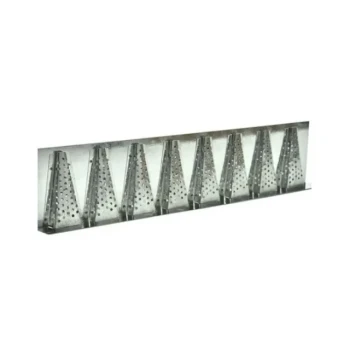
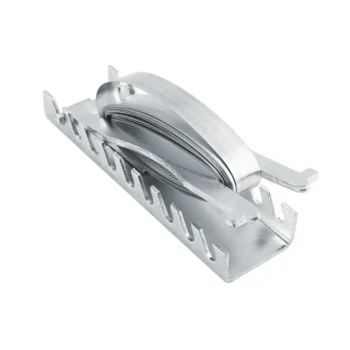
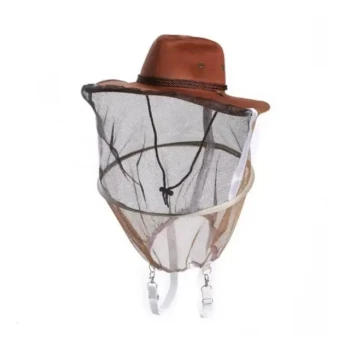
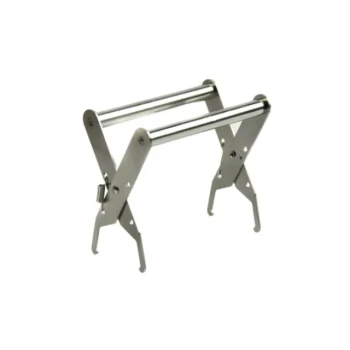
Controlling scent and access is critical. To prevent robbing behavior during a honey harvest, you must reduce hive entrances to manageable sizes and cover the hive with a cloth inner cover whenever you are not actively manipulating frames. Furthermore, it is essential to maintain a sterile environment by removing any equipment containing honey residue from the bee yard immediately, as the scent acts as a powerful beacon for robber bees and other insects.
Robbing is an aggressive frenzy triggered by the scent of exposed nectar and open access to hive resources. Prevention relies on strict sanitation to mask the harvest scent and physical barriers that assist guard bees in defending their colony.
Managing Physical Access
Reduce the Entrances
Before you begin harvesting, you must reduce the hive entrances.
Restricting the size of the opening allows the colony's guard bees to defend their home more effectively. A smaller entrance creates a bottleneck that prevents robbing insects from overwhelming the colony during the stress of a harvest.
Utilize Cloth Inner Covers
Do not leave the top of the hive completely open while you work.
The primary reference suggests using a cloth inner cover to shield the colony when you are not actively pulling a frame. This keeps the bees calmer and physically blocks opportunistic robbers from diving into the exposed supers from above.
Eliminating Scent Triggers
Remove Honey Residue
The scent of honey is the primary trigger for robbing behavior.
You must avoid leaving any equipment with honey residue in the bee yard. Even small drops of honey or sticky tools can act as a beacon, drawing in wasps, yellow jackets, and bees from other colonies.
Isolate Harvested Frames
Once a frame or super is removed, it should not remain exposed near the hive.
While the specific extraction method (spin vs. crush-and-strain) happens later, the immediate priority in the yard is moving honey-laden equipment away from the apiary's open air.
Common Pitfalls to Avoid
Neglecting "Clean" Zones
A common mistake is placing sticky supers on the ground "just for a moment" while working.
This saturates the immediate area with the scent of honey. Once the robbing frenzy begins, it is extremely difficult to stop; prevention through immediate removal of residue is the only reliable strategy.
Inconsistent Covering
Failing to replace the cloth cover between frame pulls creates a vulnerability.
Leaving the hive top open while you walk away to store a frame gives robbers a direct, unguarded path to the honey stores. Consistency in covering the hive is required for the duration of the harvest.
Making the Right Choice for Your Apiary
To ensure a safe harvest, prioritize your actions based on the specific risks in your bee yard:
- If your primary focus is Colony Defense: Prioritize reducing entrances before opening the hive to give your guard bees the best physical advantage.
- If your primary focus is Robber Prevention: Focus on scent discipline by covering the hive with cloth and removing sticky equipment immediately.
A clean, contained workspace is your best defense against the chaos of a robbing frenzy.
Summary Table:
| Prevention Strategy | Action Required | Primary Benefit |
|---|---|---|
| Entrance Reduction | Install entrance reducers before harvesting | Empowers guard bees to defend a smaller bottleneck |
| Cloth Inner Covers | Cover the hive between frame manipulations | Blocks aerial access for opportunistic robber bees |
| Scent Discipline | Remove honey residue and sticky tools immediately | Eliminates the olfactory triggers that cause a frenzy |
| Equipment Isolation | Move harvested supers away from the apiary | Prevents long-distance attraction of wasps and other bees |
| Consistent Coverage | Keep hive tops closed when not actively working | Maintains colony stability and prevents unguarded access |
Secure Your Apiary Productivity with HONESTBEE
Protecting your colony during harvest is just the first step toward a successful season. At HONESTBEE, we specialize in supporting commercial apiaries and professional distributors with high-performance beekeeping solutions. Whether you need specialized hive-making machinery, precision honey-filling equipment, or a bulk supply of essential industry consumables, we provide the tools you need to scale your operations efficiently.
From durable hardware to unique honey-themed cultural merchandise, our wholesale offerings are designed to enhance your brand and bottom line. Contact us today to discuss how our comprehensive equipment portfolio can streamline your honey production and business growth!
Related Products
- 8-Cone Galvanized Steel Bee Robber Guard
- High Security Emlock Strap System
- Metal Hive Feet Bee Hive Stand for Ant Protection
- Beehive Entrance Reducer Guardian Metal Hive Entrance for Bees
- Black Plastic Beetle Barn Hive Beetle Trap for Beehives
People Also Ask
- What protective functions do beehive entrance guards provide? Defend Your Hive Against Wasps and Moths
- What is the primary function of protective guards at hive entrances? Block Rodents & Boost Winter Survival Rates
- How do conical metal guards or rubber inner tubes function as pest control tools? Stop Ants with Mechanical Barriers
- What is the function of Hive Entrance Guards? Master Bee Colony Defense Against Small Hive Beetles
- How can hardware mesh be applied to a beehive entrance for winter protection? Secure Your Colony Against Pests