Add space before the bees decide they need to leave. Beekeepers can reduce swarming by expanding the hive early with honey supers, drawn comb, and frames fitted with foundation. Regular inspections—especially along the bottom of brood frames—help identify queen cups or developing queen cells before congestion becomes a serious problem.
Swarm prevention is mainly a timing and space-management problem: add usable comb before the brood chamber becomes crowded, monitor colony expansion weekly, and intervene promptly when swarm preparation begins.
Why Hive Space Matters
Overcrowding triggers swarm preparation
As the colony population grows, the brood chamber can become congested with bees, brood, pollen, and nectar. This lack of space encourages workers to raise a new queen and prepare part of the colony to leave as a swarm.
Swarming reduces the original colony’s population and can substantially lower honey production during the main nectar flow.
Expansion must happen before congestion
Adding equipment only after numerous queen cells are present may be too late to fully stop the swarm impulse. The objective is to provide additional usable space while the colony is still expanding rapidly.
A strong colony should be monitored more frequently during spring and early summer, when population growth and nectar availability are highest.
Using Honey Supers to Prevent Swarming
Add supers before the hive is full
Install an additional honey super when the existing brood and storage area is becoming crowded—not after every frame is completely occupied. A practical guide is to add the next hive body when approximately 70% of the available comb or foundation is being used.
This gives workers room to store incoming nectar and reduces pressure in the brood chamber.
Choose drawn comb when rapid expansion is needed
Supers equipped with drawn comb are immediately usable. Bees can begin storing nectar without first spending time and resources producing wax.
Drawn comb is particularly valuable during a strong nectar flow or when a colony is already approaching congestion.
Use foundation to create additional capacity
Frames fitted with comb foundation provide a structured starting point for new comb. They are useful for expanding the hive’s long-term capacity, but bees must first draw the foundation before it can provide full storage or brood-rearing space.
Foundation should therefore be added early enough for bees to work it actively. It is less effective as an emergency response when the colony is already preparing to swarm.
Continue adding supers as the colony expands
Do not assume that one additional super will be sufficient for the entire season. As bees draw and occupy most of the current super, add another to maintain continuous expansion.
Common configurations include medium supers, such as 10-frame 6 5/8-inch boxes, and deep supers, such as 10-frame 9 5/8-inch boxes, provided they match the hive system already in use.
Managing Frames and Foundation
Replace selected brood frames cautiously
In a severely congested colony, a beekeeper may remove selected frames of capped brood and replace them with frames containing fresh foundation. This creates additional room in the brood area while preserving the removed brood for use in a nucleus colony or another hive body.
This is a stronger intervention than routine supering and should be performed only when the colony is genuinely overcrowded and the beekeeper can maintain adequate brood balance.
Avoid excessive brood removal
Removing too much brood can weaken the production colony and reduce its ability to build population for the nectar flow. Frame manipulation should preserve enough brood, food, and nurse bees to maintain a healthy, unified colony.
The goal is to relieve congestion—not to reduce colony strength unnecessarily.
Use consistent frame dimensions
For distributors, wholesalers, and beekeepers, compatibility is critical. Supers, frames, foundation sheets, and replacement equipment should match the hive’s depth, width, and frame-spacing system.
A reliable product portfolio should make it easy to source compatible equipment without delaying seasonal swarm-control work.
Inspect for Early Warning Signs
Inspect every 7 to 10 days during peak growth
During spring and early summer, inspect colonies approximately every 7 to 10 days, adjusting the interval for local climate, nectar flow, and colony strength.
Pay particular attention to the bottom bars and lower edges of frames in the upper brood chamber, where early swarm cups or queen cells may appear.
Distinguish cups from developing queen cells
An empty queen cup does not always mean that a colony will swarm. Developing queen cells containing royal jelly, larvae, or capped brood are more serious indicators of active swarm preparation.
When such cells are found, simply adding a super may not resolve the problem. The colony may require a more comprehensive swarm-control method, such as a controlled split or other local management technique.
Do not rely only on scraping cells
Removing queen cells can provide temporary control, but it is not a dependable standalone solution if the colony remains congested. Workers may construct replacement cells quickly, particularly when the underlying population pressure has not been addressed.
Space expansion, frame management, and regular inspection must work together.
Using Queen Excluders Correctly
Install an excluder only when the colony can use the super
A queen excluder can help keep the queen in the brood area while allowing workers to access upper honey storage. However, it does not by itself prevent swarming.
If installed before bees are willing to move through it, an excluder may slow occupation of the super and worsen congestion. It is generally more appropriate after the upper area contains attractive drawn comb or after workers have begun using the super.
Treat the excluder as a management tool
The excluder controls queen movement; it does not create space or eliminate the swarm impulse. Beekeepers should first ensure that the colony has adequate brood-chamber space and that the super is accessible to worker bees.
Understanding the Trade-offs
Drawn comb is faster but limited
Drawn comb provides immediate capacity, but it requires careful storage and protection from wax moths, rodents, and other damage. Commercial operators may need dependable access to replacement frames and comb-compatible equipment during peak demand.
Foundation is scalable but slower
Foundation is clean, standardized, and useful for building future comb reserves. However, it requires a strong colony, suitable temperatures, and sufficient nectar or feeding support for rapid drawing.
Adding foundation too late may not relieve congestion quickly enough.
A queen excluder can slow super acceptance
An excluder may improve honey-frame management, but bees can be reluctant to pass through it when the upper box contains only bare foundation. Installing it prematurely can reduce the speed at which the colony occupies the available space.
Splitting preserves control but divides strength
Dividing a congested colony can reduce the immediate swarm risk and create an additional colony. The trade-off is that the original production unit is no longer a single, highly concentrated workforce.
Because colony division requires additional queens, equipment, and management, it should be used when routine expansion is insufficient or when the beekeeper intentionally wants to increase colony numbers.
How to Apply This to Your Apiary
Use the following approach to match equipment and management to the colony’s condition:
- If your primary focus is rapid swarm prevention: Add a super with drawn comb before the brood chamber becomes congested, then inspect the colony every 7 to 10 days.
- If your primary focus is long-term hive expansion: Use frames with foundation early in the growth cycle so bees have time to draw and occupy the new comb.
- If your primary focus is honey production: Maintain a strong, unified colony with timely supering and avoid unnecessary brood removal.
- If your primary focus is managing severe congestion: Remove selected capped-brood frames only when necessary, replace them with foundation, and use the removed brood to establish a nuc or additional hive.
- If your primary focus is efficient equipment sourcing: Standardize hive dimensions and work with suppliers able to provide compatible supers, frames, foundation, and replacement components with dependable fulfillment.
Timely expansion, compatible equipment, and disciplined inspections give beekeepers the best practical control over swarming while preserving colony strength and honey-production potential.
Summary Table:
| Equipment Type | When to Use | Benefits | Considerations |
|---|---|---|---|
| Honey Super with Drawn Comb | Add when brood chamber is ~70% full; before congestion | Immediate storage, reduces swarm impulse | Requires storage/protection when not in use |
| Honey Super with Foundation | Add early for long-term expansion | Scalable, clean, standard | Bees must draw it; slower to provide capacity |
| Frames with Foundation | For replacing brood frames in congested colonies | Creates space in brood area | Removes brood; balance needed |
| Queen Excluder | Install after workers accept super | Controls queen movement | Does not prevent swarming; may slow acceptance |
Ready to prevent swarming effectively and maximize your honey yield? HONESTBEE offers a full range of beekeeping equipment, from honey supers and foundations to hive-making machinery. Our B2B solutions are designed for distributors, wholesalers, and beekeepers like you. Enjoy rapid response, expert support, and ultra-fast delivery. Contact us today for OEM/ODM support and reliable supply!
Related Products
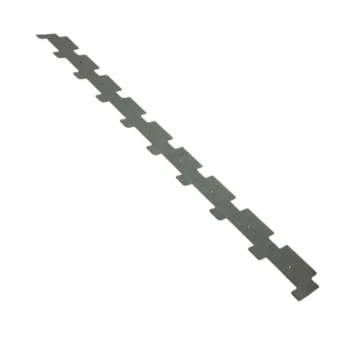
- Heavy Duty Castellated Iron Frame Spacer for Honey Supers
- Durable 16 Way Circular Bee Escape for Efficient Honey Harvesting
- High-Efficiency Diamond Maze Bee Escape for Clearing Supers
- Honey Concentrating Vacuum Heating Thickening Machine Dehumidifier for Honey
- Economy Small Scale Honey Dryer Dehumidifier Thickening Machine
People Also Ask
- What are honey super frames and what foundation options are available? Choose the Best Support for Your Bees
- What are the reasons and drawbacks of using nine frames in a ten-frame honey super? Boost Extraction Speed Today
- What are honey super frames and how many are needed per box? A Beekeeper's Essential Guide
- What are honey super frames and their foundation options? Choose the Best Support for Your Hive's Honey Production
- Why might a beekeeper use fewer than the standard number of frames in a honey super? Boost Extraction Efficiency