Use a small queen-cell bioassay before committing a full production yard. Commercial queen breeders can graft a limited number of young larvae onto cell bars, place them in nurse colonies receiving the suspect pollen batch, and compare capping and emergence with a control group. Poor acceptance, low capping, or failed emergence can indicate that the pollen is unsuitable—possibly because of pesticide, fungicide, nutritional, or other quality problems—but the test is a screening tool, not a laboratory residue analysis.
A small, standardized grafting trial can expose harmful pollen effects before they cause a large-scale queen-rearing failure. Use matched control colonies, consistent cell-bar equipment, and multiple performance measurements rather than relying on a single observation.
How the Small-Scale Pollen Test Works
Prepare a test group and a control group
Divide the operation into at least two comparable nurse-colony groups:
- Test group: Receives the pollen batch being evaluated.
- Control group: Receives a known acceptable pollen source or standard feed.
Keep colony strength, brood conditions, feeding schedule, and environmental exposure as similar as practical. Without a control, low acceptance could be caused by weak nurse colonies, poor grafting technique, weather, or other management factors rather than the pollen.
Graft a limited number of larvae
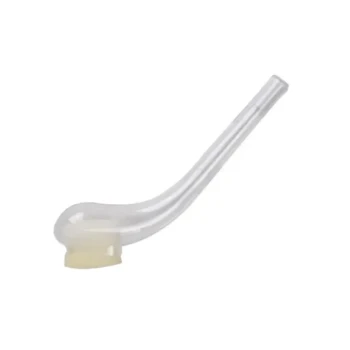
Use a grafting tool to transfer appropriately young worker larvae from healthy brood comb into artificial wax or plastic queen cups. The larvae should be placed carefully and in the correct orientation to minimize injury and variation between groups.
Mount the cups on a small number of cell bars. A limited test batch reduces the labor, equipment commitment, and potential losses if the feed proves unsuitable.
Place the cell bars in nurse colonies
Insert the loaded cell bars into queenless nurse colonies or appropriately prepared rearing colonies. Nurse bees should have access to the test pollen according to the trial plan and should otherwise receive comparable management to the control colonies.
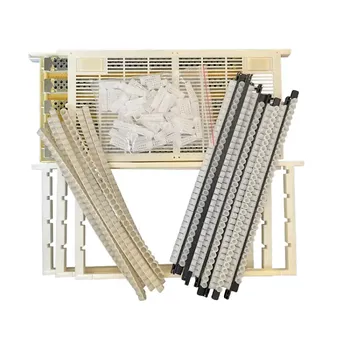
Cell bar frames make the test practical because they hold multiple grafts in a consistent arrangement and can be moved, inspected, and evaluated as a unit.
What to Measure
Graft acceptance and cell capping
Inspect the bars at consistent intervals and record how many grafted larvae are accepted and developed into visibly growing queen cells. The capping rate is especially useful because it reflects whether larvae progressed far enough for workers to seal the developing cells.
A low acceptance rate may reflect handling damage or poor larvae age, while low capping after initially acceptable grafting may point more strongly to problems with nursing conditions or feed quality.
Queen emergence
Track how many capped cells produce successfully emerged queens. Emergence rate helps identify failures that are not apparent from capping alone, including developmental problems occurring later in the larval or pupal stages.
Record both the number of cells started and the number of queens emerging. For example, a batch may show reasonable acceptance but still produce few viable queens, which warrants further investigation before scale-up.
Colony and environmental observations
Record nurse-colony strength, brood pattern, temperature conditions, feeding dates, and any visible signs of stress. Also note whether cells were removed, damaged, chilled, or otherwise compromised by colony management.
These observations help separate a pollen-related signal from confounding causes such as inadequate worker populations, poor graft placement, queenlessness problems, or unfavorable weather.
How to Interpret the Results
Compare results against the control
The test pollen should be evaluated against the control under comparable conditions. A meaningful decline in acceptance, capping, or emergence in the test group is a reason to quarantine or withhold the batch from full-scale queen production.
One poor bar is not necessarily conclusive. Look for a consistent pattern across several bars or matched colonies, especially when the control performs normally.
Treat multiple failure points as a warning
The strongest operational warning occurs when the suspect-pollen group shows several related problems—for example, poor graft acceptance followed by low capping and weak emergence. Such a pattern is consistent with the pollen failing to support normal larval development, although it does not identify the specific contaminant.
Sublethal pesticide or fungicide exposure is one possible explanation. Nutritional deficiencies, spoilage, contamination, or inconsistent feed preparation can produce similar outcomes.
Use the result as a release decision, not a diagnosis
If the test group performs comparably to the control, the batch has passed an initial biological screen under the tested conditions. It has not been proven chemically free of residues or safe under every colony condition.
If results are poor, do not use the pollen for full-scale queen rearing until the cause is investigated. Preserve a sample for professional laboratory testing where residue identification or regulatory documentation is required.
Designing a Reliable Test
Standardize the equipment and technique
Use the same type of cell cups, cell bars, grafting tools, and frame configuration for the test and control groups. Ergonomic grafting tools, adequate lighting, and stable frame positioning help reduce technician-induced variation.
The operator should also use a consistent larval age and grafting method. Poor handling can create false evidence against an otherwise acceptable pollen batch.
Keep the trial small but meaningful
The trial should be large enough to reveal a repeatable difference, yet small enough to limit exposure and resource use. Several bars distributed across comparable nurse colonies are generally more informative than a single bar in one colony.
For operations with valuable breeder stock, use noncritical larvae for the preliminary screen rather than risking a large number of high-value grafts.
Define acceptance criteria in advance
Before starting, establish what would trigger a hold, retest, or rejection decision. Criteria can include minimum acceptance, capping, and emergence performance relative to the control.
Predefined criteria prevent the team from rationalizing an unfavorable result after investing in a large production run.
Understanding the Trade-offs
The test saves resources but consumes time
A small bioassay requires grafting labor, nurse-colony preparation, inspections, and recordkeeping. Those costs are modest compared with losing a large queen batch, but the test may delay production by the time needed to observe capped cells and emergence.
For commercial operations, that delay should be incorporated into procurement and production scheduling.
Biological screening is not chemical testing
Queen larvae and nurse bees can reveal biological harm that a basic visual inspection of pollen cannot. However, cell-bar performance cannot determine which compound is present, its concentration, or whether the batch meets a legal residue limit.
Use an accredited laboratory when the result must support supplier claims, customer assurance, regulatory compliance, or a dispute over contamination.
False positives and false negatives are possible
Low performance can result from grafting injury, unsuitable larval age, weak colonies, temperature stress, disease, or poor queenless-colony preparation. Conversely, a short or favorable trial may fail to reveal effects that emerge under different feeding rates or longer exposure.
Repeat questionable tests with better controls and preserve traceability for the pollen lot, feed preparation, colonies, and equipment used.
Avoid contaminating the control
Store, mix, and distribute test and control pollen separately. Shared feeders, tools, containers, or handling surfaces can transfer material and make the comparison unreliable.
Clear lot labeling and disciplined inventory control are essential when multiple pollen sources are present in a commercial apiary.
Making the Right Choice for Your Goal
A practical workflow is to quarantine each incoming pollen lot, run a controlled small-scale grafting trial, document the results, and release only batches that meet the operation’s predefined criteria.
- If your primary focus is minimizing production risk: Test a small number of grafted larvae on matched cell bars before exposing a full queen-rearing schedule to the pollen.
- If your primary focus is improving diagnostic confidence: Use control colonies, replicate the trial across multiple bars, and record acceptance, capping, and emergence separately.
- If your primary focus is regulatory or customer assurance: Treat the bioassay as an early warning screen and obtain laboratory residue analysis before making definitive safety claims.
- If your primary focus is efficient commercial sourcing: Maintain lot traceability and work with suppliers that can provide rapid documentation, consistent product specifications, and responsive support when a batch requires investigation.
A disciplined cell-bar bioassay turns queen-rearing equipment into an early risk-control system, helping breeders make evidence-based decisions before committing full-scale resources.
Summary Table:
| Metric | Test Group | Control Group |
|---|---|---|
| Graft Acceptance Rate | Lower may indicate pollen issue | Baseline for comparison |
| Capping Rate | Reduced if pollen affects development | Normal expected capping |
| Queen Emergence Rate | Decreased with toxic or poor-quality pollen | Normal emergence |
| Pattern Consistency | Multiple failures signal problem | Consistent performance |
Optimize your queen rearing with reliable pollen screening. At HONESTBEE, we provide high-quality queen grafting tools, cell bars, and full-spectrum beekeeping equipment to support your commercial operations. Our rapid response, professional expertise, and ultra-fast delivery help you maintain supply reliability and efficiency. Contact us today to discuss your needs or request a quote! Contact Us
Related Products
- Stainless Steel Queen Grafting Tool for Beekeeping and Bee Queen Grafting
- Premium Nicot Style Cell Bar Holder and Queen Cell Cup Holder System
- Plastic Chinese Queen Grafting Tool for Bee Queen Rearing
- Stainless Steel Beekeeping Queen Grafting Tool for Honey Bee Rearing
- Retractable Chinese Queen Rearing Grafting Tools Equipment
People Also Ask
- What are the benefits of using a queen grafting tool for queen rearing? Master Precision for Superior Bee Genetics
- What is grafting in queen rearing? Take Control of Your Apiary's Genetics
- What are the steps involved in using a queen grafting tool? A Guide to Successful Queen Rearing
- What is the step-by-step process for using a queen grafting tool? Master Larva Transfer for Better Queen Rearing
- What is the primary function of a queen grafting tool? Master Precise Larval Transfer for High Queen Acceptance