Elevated hive stands provide a simple physical defense against nocturnal frogs. By raising the hive base and entrance to at least 60 cm above ground level, commercial apiaries can make bees less accessible to predatory frogs feeding near the entrance at night. The same stand also improves ground clearance, reduces moisture-related damage, and supports safer, more efficient hive management.
Core takeaway: Use stable, weather-resistant stands that elevate hive entrances at least 60 cm above the ground. For commercial operations, the stand must also withstand heavy honey loads, long-term outdoor exposure, and routine inspection activity.
How Elevated Stands Protect Colonies
They separate bees from ground predators
Predatory frogs and toads commonly feed on bees resting or moving near hive entrances after dark. Elevating the hive creates a physical separation that makes the entrance substantially less accessible to these ground-dwelling predators.
This approach protects colonies without relying on chemical repellents or treatments.
They reduce access for other terrestrial pests
The same elevation can make access more difficult for skunks, raccoons, rodents, and other small ground animals. However, stands should be viewed as one layer of protection rather than a complete predator-control system.
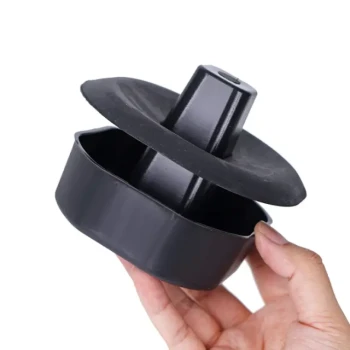
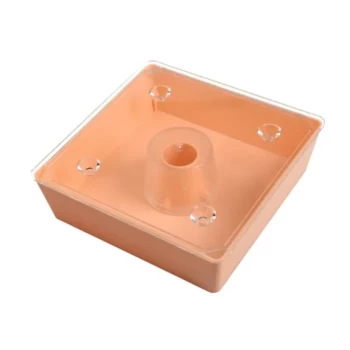
For ants and climbing pests, distributors and beekeepers can pair stands with metal or rubber barriers or other approved isolation measures.
They protect hive equipment
Raising the bottom board above soil, vegetation, and standing moisture helps reduce wood rot and improves airflow beneath the hive. This can extend the service life of wooden hive components and reduce replacement frequency across a commercial apiary.
Structural Specifications for Commercial Use
Minimum operating height
The hive base should be elevated to a minimum of 60 cm above ground level. This is the critical specification for improving protection against predatory frogs.
A lower stand may still improve drainage and ergonomics, but it does not meet the stated minimum protection target.
Suitable construction materials
Commercial stands should be made from sturdy, treated timber or comparable heavy-duty materials suitable for outdoor use. The reference design uses:
- 2 × 2 inch treated timber rails and pegs
- Wood preservative treatment for weather resistance
- Cross-spacers for rigidity
- Support for single or paired hives
The selected material must remain stable under the combined weight of hive bodies, frames, honey, covers, and inspection equipment.
Ground anchoring
Timber pegs should be anchored approximately 9 inches into the ground to help prevent shifting or tipping. This is particularly important in exposed apiaries, soft soil, or locations subject to wind and uneven loading.
Anchoring should be combined with cross-spacers rather than relying on vertical posts alone.
Stability under working loads
A stand must remain stable while beekeepers remove covers, lift supers, inspect brood chambers, or handle honey-filled equipment. Any noticeable rocking can create a safety risk and may stress or disturb the colony.
For commercial procurement, stands should therefore be evaluated for load stability, connection strength, corrosion or rot resistance, and ease of installation.
Heavy-duty security options
Where predators or people may tamper with hives, heavy-duty stands can use solid pipe structures and steel strapping over hive covers. These features help keep hive bodies and lids secured together and reduce the risk of frames or covers being displaced.
This configuration is more appropriate for high-risk sites than a basic timber stand.
Additional Benefits for Commercial Apiaries
Improved beekeeper ergonomics
Hives placed directly on the ground force workers to bend or work in awkward positions during inspections. Elevation can reduce fatigue and make repeated colony checks more manageable.
An approximately 18-inch stand height is cited as an ergonomic reference, bringing the top of the brood chamber to roughly 29 inches. However, the 60 cm minimum should take priority when frog protection is the main objective.
Better airflow and drainage
Clearance beneath the hive improves ventilation around the bottom board and helps keep wooden components away from damp soil and vegetation. This is especially valuable in humid, rainy, or heavily vegetated apiary locations.
More consistent apiary operations
Standardized stands help commercial operators maintain uniform hive placement, inspection access, and equipment handling. Consistent dimensions also simplify purchasing, inventory planning, and replacement across multiple apiary sites.
Understanding the Trade-offs
Elevation is not complete predator control
A stand reduces access, but it does not eliminate all threats. Frogs may still reach entrances through nearby vegetation, stacked materials, or other objects that create a route upward.
Keep the area around each stand clear and inspect the site at night if predation continues.
Higher stands require stronger construction
Increasing hive height increases the importance of anchoring and bracing. A tall but unstable stand can be more dangerous than a lower, well-supported one, particularly when carrying heavy honey supers.
Do not sacrifice structural stability for height alone.
Barrier systems require maintenance
Metal or rubber isolation barriers can help stop ants and other climbing pests, but they must remain properly positioned and free of soil, vegetation, and debris. A bridge formed by grass or an adjacent object can defeat the barrier.
Ergonomics and predator protection may differ
The ergonomic reference of approximately 18 inches is below the 60 cm predator-protection minimum. Apiary operators should select the final height based on the primary risk, beekeeper working practices, hive configuration, and stand stability.
How to Apply This to Your Apiary or Product Range
Elevated stands should be treated as a complete support system—not simply as legs beneath a hive.
- If your primary focus is frog and toad protection: Specify stands that elevate the hive base and entrance at least 60 cm above ground level, while keeping vegetation and climbable objects away from the hive.
- If your primary focus is commercial durability: Choose treated timber or heavy-duty pipe construction with cross-spacers, secure anchoring, and capacity for single or paired hives under heavy honey loads.
- If your primary focus is equipment life: Prioritize stands that keep bottom boards above soil moisture and vegetation, with materials designed for long-term outdoor exposure.
- If your primary focus is labor efficiency: Select a stable height that reduces bending during inspections, while confirming that the final design still meets the 60 cm predator-protection requirement.
- If your primary focus is high-risk site security: Consider solid pipe stands combined with steel strapping to keep hive bodies, covers, and frames secured against tampering.
- If your primary focus is one-stop commercial sourcing: Work with suppliers able to provide stand hardware, treated structural components, barriers, anchoring parts, and replacement units with consistent specifications and rapid fulfillment.
A correctly specified elevated stand improves colony security, equipment longevity, and the operational efficiency of the entire apiary.
Summary Table:
| Specification | Minimum Requirement |
|---|---|
| Height | At least 60 cm (≈24 in) from ground to hive base/entrance |
| Material | Treated timber (2x2 in) or heavy-duty pipe |
| Anchoring | Timber pegs driven 9 in into ground; cross-spacers for rigidity |
| Stability | Must support heavy honey loads and routine inspection without rocking |
| Protection | Can be paired with metal or rubber barriers for climbing pests |
Upgrade your apiary's defense with HONESTBEE's commercial-grade elevated hive stands and full beekeeping equipment range. Our stands meet the 60cm height standard, feature durable weather-resistant construction, and are available with bulk pricing for distributors. Protect your colonies, improve ergonomics, and extend equipment life. Contact our team today to request a quote or discuss OEM/ODM options. Get in touch now and experience rapid fulfillment and dedicated support for your business.
Related Products
- Professional Ant-Proof Beehive Stand with Integrated Moat for Beekeeping
- Metal Hive Feet Bee Hive Stand for Ant Protection
- Plastic Bee Hive Stand for Beekeeping
- Metal Bee Hive Stand Bee Box Stand for Beekeeping
- Premium Comfort Grip Spring-Loaded Hive Handles
People Also Ask
- What physical protection advantages do individual hive stands provide against Small Hive Beetles? Secure Your Apiary
- Why are specialized ant-proof stands necessary for Africanized honeybee apiaries? Prevent Absconding in Semi-Arid Regions
- Why are specialized beehive stands or protective barriers necessary for pest management in apiaries? Secure Your Colony
- What are the benefits of elevating a bee hive with a stand or base? Protect Your Colony and Your Back
- What to stand a beehive on? The Best Foundation for a Healthy, Manageable Apiary