Effective moisture control requires a dual strategy: managing internal metabolic condensation and shielding the hive from external precipitation. To prevent the colony from freezing due to dampness, place burlap inside the hive to wick moisture away from the cluster, and cover the exterior with corrugated polycarbonate sheeting to block rain and snow.
The central challenge of wintering bees is that "wet and cold" is fatal, whereas "dry and cold" is survivable. While bees require some humidity to dilute honey for food, the primary goal is preventing warm, moist air from condensing on cold surfaces and dripping back onto the cluster.
Understanding the Physics of Hive Moisture
The Metabolic Engine
During winter, the bee cluster remains active, consuming honey to generate heat.
This metabolic activity produces warm, moist air that naturally rises to the top of the hive.
The Condensation Point
When this warm air contacts the cold inner cover or roof, it undergoes a phase change.
The vapor condenses into liquid water, which creates a high risk of "raining" down onto the bees.
The Survival Implication
Honey bees cannot actively regulate humidity in extreme cold as effectively as they do in summer.
If the cluster becomes wet from dripping condensation, their ability to thermoregulate fails, leading to rapid colony death or mold growth.
Internal Control Strategies
Wicking Materials
The most effective internal intervention is the use of absorbent materials placed above the cluster.
Burlap is highly recommended because it acts as a wick, drawing moisture away from the bees while retaining heat.
Moisture Boards and Boxes
Specialized moisture boards or boxes can be installed to regulate humidity levels.
These components are designed to absorb the moisture generated by the bees' heat, preventing mildew and keeping the environment dry.
Ventilation Basics
Proper ventilation helps carry excess moisture out of the hive before it settles on surfaces.
However, this must be balanced carefully to avoid stripping away the heat the colony is working hard to generate.
External Protection and Configuration
Weatherproofing the Exterior
To stop moisture from entering from the outside, the hive requires a waterproof shield.
Corrugated polycarbonate sheeting is an effective material for wrapping or covering the hive, as it acts as a barrier against wind, rain, and snow.
Entrance Reduction
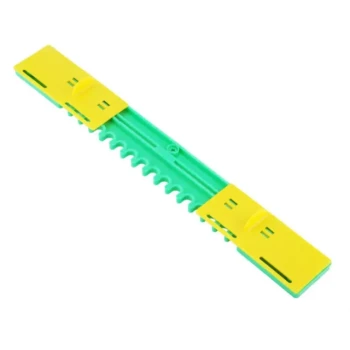
Reducing the hive entrance is critical for limiting the intake of freezing air and preventing drafts.
You can use manufactured entrance reducers or natural materials like pinecones and sticks to shrink the opening while still allowing necessary air exchange.
Hive Orientation
Physical gravity can be used as a simple tool for moisture management.
Slightly tilting the hive box forward encourages any condensation that does form to run down the walls and out the front, rather than dripping on the cluster.
Understanding the Trade-offs
The Insulation Paradox
Insulating a hive helps retain warmth, but it comes with a significant risk.
If a hive is heavily insulated (wrapped or using foam boards) without adequate ventilation, it can trap moisture, turning the hive into a damp, fatal environment.
The Hydration Balance
It is important to note that total dryness is not the goal.
Bees actually utilize a small amount of condensation as a fresh water source to dilute their stored honey for consumption and to produce brood food.
The "Chimney Effect"
Allowing warm air to rise and escape (ventilation) removes moisture but also removes heat.
The beekeeper's job is to modulate this flow so that moisture escapes without freezing the colony.
Making the Right Choice for Your Goal
Winter management is about striking a balance between insulation, ventilation, and moisture absorption.
- If your primary focus is preventing condensation drip: Prioritize internal wicking agents like burlap or moisture boxes to capture rising vapor immediately.
- If your primary focus is external weatherproofing: Install corrugated polycarbonate sheeting to ensure wind and precipitation cannot breach the hive walls.
- If your primary focus is drainage: Ensure the hive is tilted slightly forward so liquid water flows away from the bees rather than onto them.
A winter colony that remains dry has a high probability of survival, regardless of the temperature outside.
Summary Table:
| Strategy | Method | Primary Benefit |
|---|---|---|
| Internal Wicking | Burlap or Moisture Boards | Absorbs metabolic vapor to prevent 'rain' on the cluster |
| External Shielding | Corrugated Polycarbonate | Blocks wind, rain, and snow from entering the hive |
| Passive Drainage | Tilting Hive Box Forward | Redirects condensation to run down walls instead of dripping |
| Air Exchange | Entrance Reducers | Balances heat retention with moisture escape (Chimney Effect) |
| Material Choice | Breathable Insulation | Prevents damp, fatal environments caused by trapped moisture |
Maximize Overwintering Success with HONESTBEE
At HONESTBEE, we understand that 'dry and cold' is the key to a thriving apiary. Whether you are a commercial beekeeper or a large-scale distributor, we provide the high-quality tools and machinery needed to protect your colonies. From specialized hive-making machines that ensure precision ventilation to a full spectrum of beekeeping equipment and essential consumables, our wholesale offerings are designed to enhance your operational efficiency.
Ready to upgrade your winter management strategy? Contact us today to explore our comprehensive portfolio and discover how our expertise can support your business growth.
Related Products
- Stainless Steel Round Beehive Air Vents for Ventilation
- Inner Beehive Cover for Beekeeping Bee Hive Inner Cover
- Professional Reversible Beehive Hive Entrance
- Steel Round Disc Entrance Reducer for Flexzion Bee Hive Nuc Box Gate
- Professional Insulated Plastic Bee Hives
People Also Ask
- How does ventilation affect colony health, and how should it be managed seasonally? A Guide to Preventing Moisture & Overheating
- Why is proper ventilation important in a beehive? Prevent Mold, Regulate Temperature, and Boost Colony Health
- How can a beekeeper provide proper ventilation for a beehive throughout the year? Seasonal Strategies for Bee Health
- How can ventilation be added to a beehive without using an inner cover? Simple, Effective Solutions for Healthy Hives
- Why is good ventilation crucial when transporting beehives? Protect Your Colony from Lethal Overheating