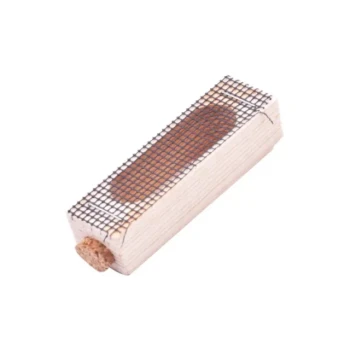
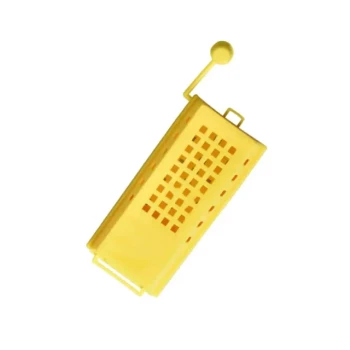
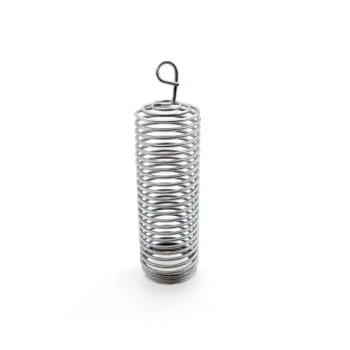
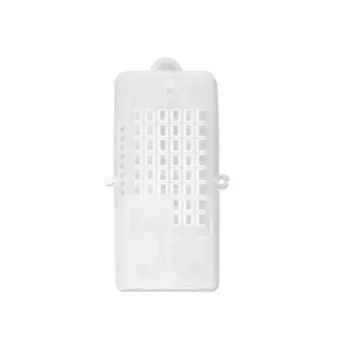
Physical barriers and specialized consumables offer a mechanical alternative to chemical treatments by directly manipulating the reproductive environment of the hive. By utilizing tools such as queen cages and trap combs, you can regulate the colony's biological state to suppress Varroa mite populations below the economic injury threshold.
The core value of physical interference consumables is their ability to decouple pest control from chemical toxicity. By physically disrupting pest reproduction, you eliminate the evolutionary pressure that drives resistance to synthetic acaricides, enabling a transition to a sustainable, organic management model.
The Mechanics of Physical Intervention
Regulating the Biological State
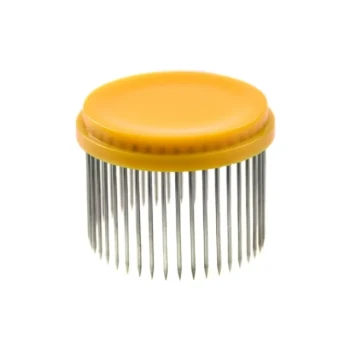
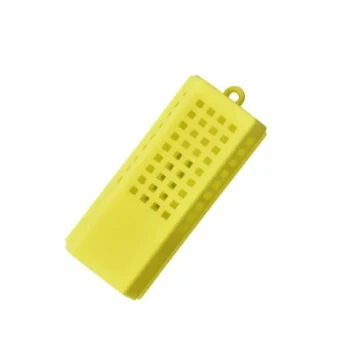
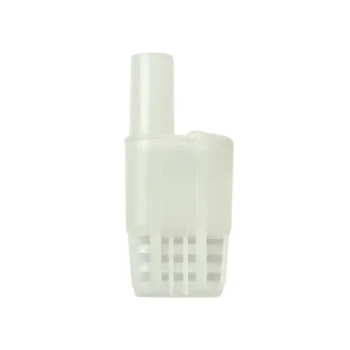
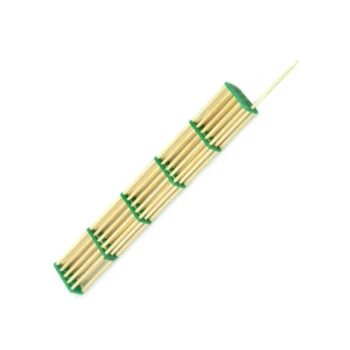
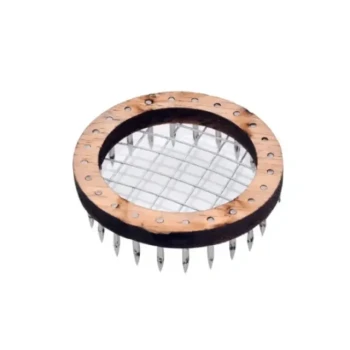
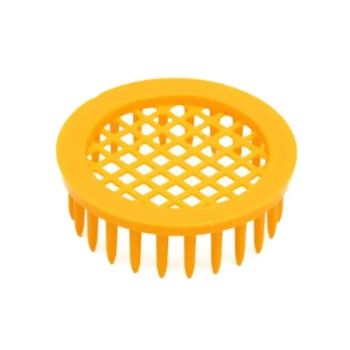
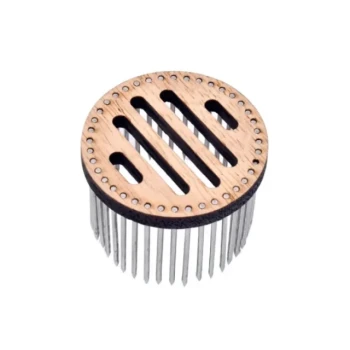
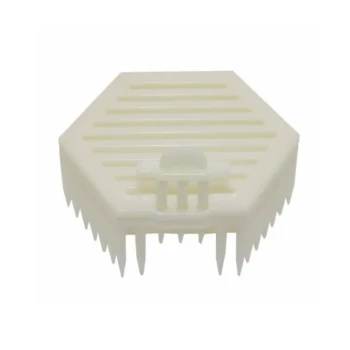
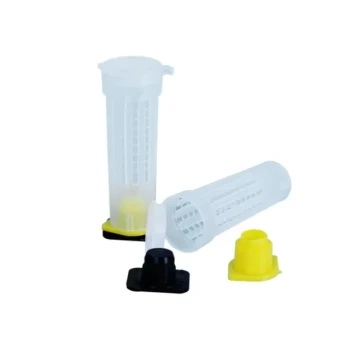
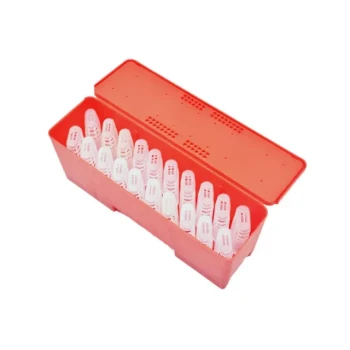
The primary mechanism of these tools is the precise regulation of the colony's biological functions. By using queen cages, you can temporarily halt egg-laying.
This creates a brood-less period, depriving Varroa mites of the developing larvae they require to reproduce. This mechanical interruption breaks the pest's life cycle without introducing foreign substances into the hive.
utilizing Trap Combs with Foundation
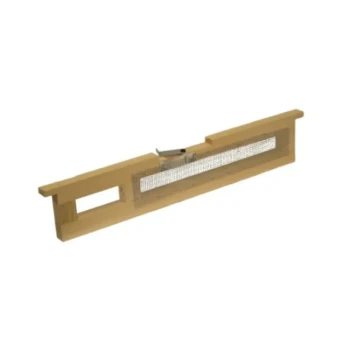
Trap combs leverage the pest's natural behavior against itself. Beekeepers insert specialized frames with foundation that are highly attractive to mites for reproduction.
Once the mites enter the cells to breed, the comb is removed before the bees emerge. This effectively traps and removes a significant portion of the mite population physically.
Reducing Chemical Dependence
Addressing the Economic Injury Threshold
The goal of Integrated Pest Management (IPM) is not necessarily the total eradication of pests, but keeping them below the economic injury threshold.
Physical consumables allow you to manage mite loads so they never reach a level that threatens the colony's productivity or survival. This maintenance allows for a reduction in harsh interventions.
Mitigating Resistance Issues
Heavy reliance on synthetic chemicals like amitraz or fluvalinate has led to widespread pest resistance. Mites eventually evolve to survive these treatments.
Physical barriers do not trigger this resistance mechanism. By substituting chemical treatments with physical tools, you preserve the efficacy of your management system and protect the long-term health of the apiary.
Understanding the Trade-offs
Operational Complexity
While effective, physical intervention requires a higher degree of active management than chemical strips.
You must understand the precise biological timing of the colony to deploy queen cages or trap combs effectively. A miscalculation in timing can reduce efficacy or disrupt colony growth.
The Transition Period
Moving from a chemical-heavy model to a physical barrier model is a process, not an instant switch.
It requires a shift in mindset toward sustainable management. You must be prepared to monitor colonies more closely as you wean them off synthetic support.
Making the Right Choice for Your Goal
To effectively integrate these tools into your operation, consider your specific management objectives:
- If your primary focus is Resistance Management: Use physical barriers to create breaks in chemical treatments, preventing mites from developing tolerance to amitraz or fluvalinate.
- If your primary focus is Organic Certification: Utilize queen cages and trap combs as your primary defense to completely eliminate synthetic inputs.
By mastering the use of physical interference tools, you regain control over your apiary’s biology and secure a sustainable future for your colonies.
Summary Table:
| Tool/Method | Core Mechanism | Primary Benefit | Operational Focus |
|---|---|---|---|
| Queen Cages | Halts egg-laying / Brood-less period | Breaks mite reproductive cycle | Precise biological timing |
| Trap Combs | Strategic mite extraction | Removes mites without chemicals | Timely removal of frames |
| Physical Barriers | Mechanical environment manipulation | Prevents acaricide resistance | Sustainable colony health |
| IPM Integration | Threshold-based management | Reduces synthetic inputs | Regular colony monitoring |
Elevate Your Apiary Management with HONESTBEE
Transitioning to a sustainable, IPM-focused model requires more than just knowledge—it requires the right tools. At HONESTBEE, we specialize in supporting commercial apiaries and distributors with a comprehensive range of high-quality beekeeping machinery and specialized consumables.
Whether you are looking for precision queen cages, trap comb foundations, or advanced hive-making and honey-filling machinery, our portfolio is designed to enhance your operational efficiency and honey quality. Our team understands the unique needs of large-scale beekeepers and global distributors, offering wholesale solutions that bridge the gap between traditional practices and modern, organic-compliant management.
Ready to reduce chemical reliance and scale your business? Contact HONESTBEE today to explore our full equipment catalog.
References
- Teresina Mancuso, Monica Vercelli. Total Brood Removal and Other Biotechniques for the Sustainable Control of Varroa Mites in Honey Bee Colonies: Economic Impact in Beekeeping Farm Case Studies in Northwestern Italy. DOI: 10.3390/su12062302
This article is also based on technical information from HonestBee Knowledge Base .
Related Products
- Professional Queen Bee Introduction and Transport Cage
- Classic Wooden and Mesh California Queen Cage
- Professional Queen Cage with Sliding Gate and Feeder Plug
- Durable Galvanized Steel Spring Queen Bee Cage
- Professional Multi-Functional Queen Bee Cage
People Also Ask
- Why are specialized queen bee cages used for the banking of mated queen bees? Maximize Commercial Apiary Storage Efficiency
- What is the mechanism of action for using temporary queen bee cages? Master Successful Queen Introduction
- How is a queen bee released from a queen cage? Ensure Safe Colony Integration & Hive Success
- What materials are required to install a queen bee's cage into a hive? Essential Tools for Successful Queen Integration
- How long should a queen bee stay in the cage before being released? Ensure a Successful Introduction