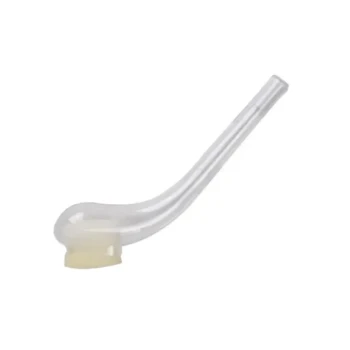
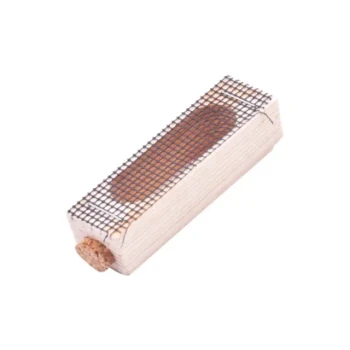
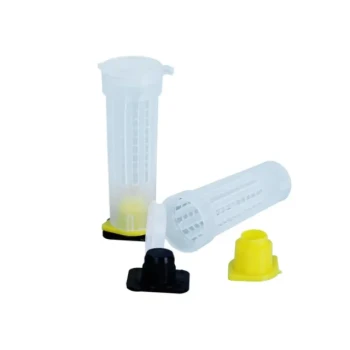
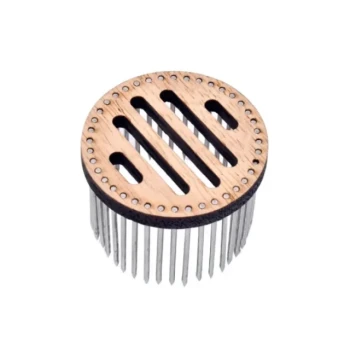
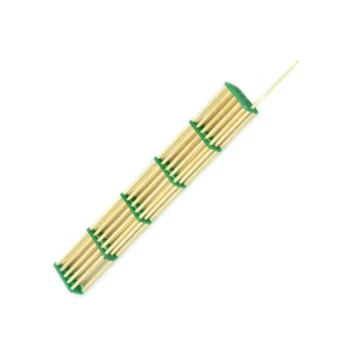
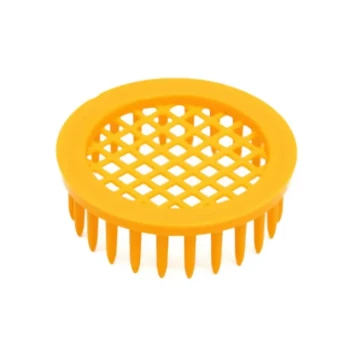
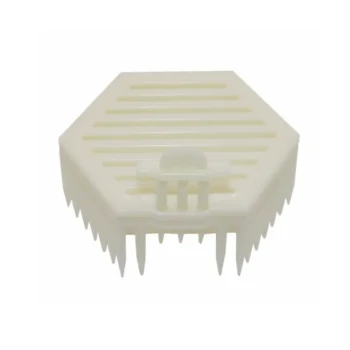
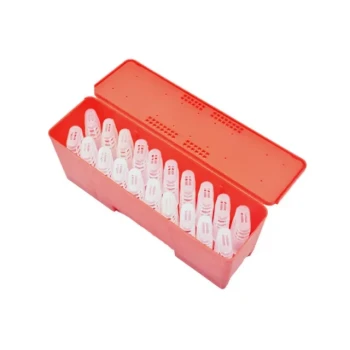
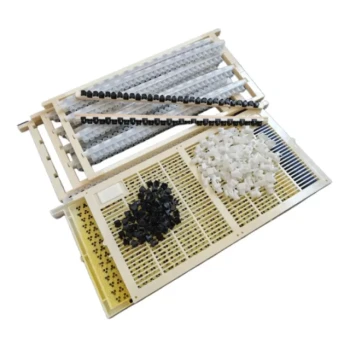
Queen management equipment can support biological control of bacterial and viral brood diseases by creating a controlled brood break. A queen cage temporarily prevents the queen from laying, reducing the supply of susceptible larvae for diseases such as European foulbrood (EFB) and sacbrood virus (SBV). When combined with removal of infected comb, adequate feeding, sanitation, and—where appropriate—requeening, this approach can help commercial colonies recover without relying on a single intervention.
Queen caging is a disease-management tool, not a standalone cure. Its value comes from interrupting brood production while workers remove compromised material and the beekeeper corrects the underlying colony problem.
How Queen Caging Interrupts Brood Disease
Creating an intentional brood break
A queen cage restricts egg-laying for a planned period, commonly four to ten days according to the primary reference and operating conditions. This creates a period with fewer newly developing larvae, which are the susceptible hosts required for many brood pathogens to persist and spread.
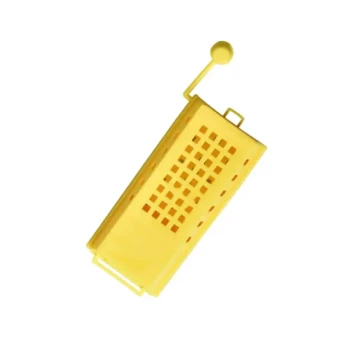
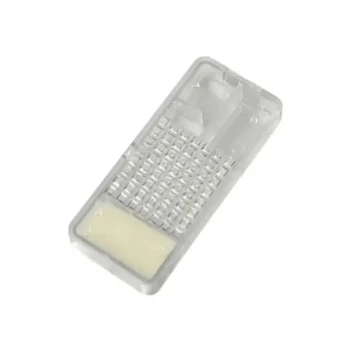
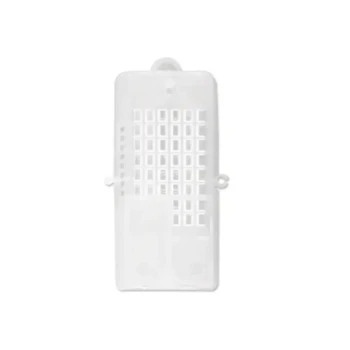
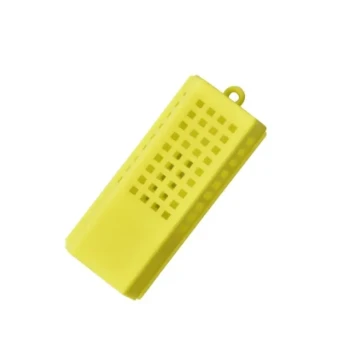
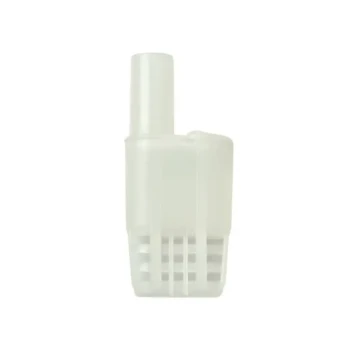
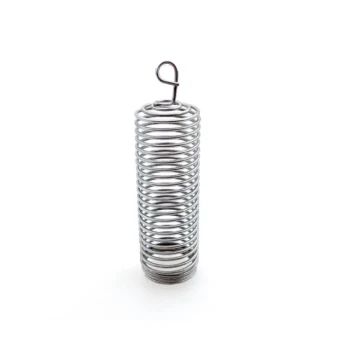
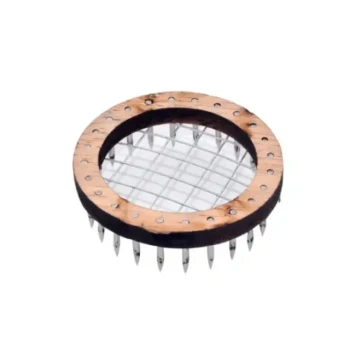
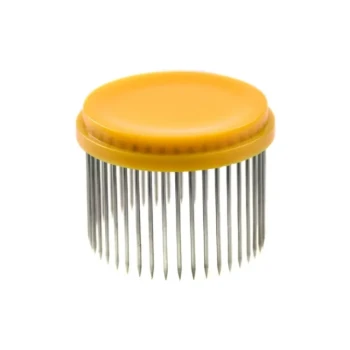
The cage should permit workers to care for and feed the queen while preventing normal egg-laying. Commercial operators should select equipment that is secure, well ventilated, easy to inspect, and appropriate for the queen’s safe confinement.
Reducing the pathogen’s opportunity to spread
In EFB and sacbrood, infected or vulnerable brood contributes to pathogen circulation within the colony. A brood break does not directly sterilize the hive, but it reduces the continuous supply of susceptible brood and gives worker bees time to remove diseased material.
The result is a managed recovery window rather than an uncontrolled cycle of new infections.
Supporting worker cleaning behavior
With fewer larvae requiring routine care, workers can concentrate more effort on hygienic behavior, including removing dead, diseased, or weakened brood. This is especially important when the colony has enough adult bees, food, and suitable comb to sustain its cleaning response.
Queen caging therefore works best as part of a coordinated intervention, not as a substitute for inspection and sanitation.
Applying the Method in Commercial Colonies
Inspect before placing the cage
Confirm that symptoms are consistent with the suspected disease and assess colony strength before intervention. Look for abnormal brood patterns, discolored or displaced larvae, uncapped cells, larval remains, and other signs that may distinguish EFB, sacbrood, starvation, pests, or more serious brood diseases.
Accurate diagnosis matters because not every brood disorder should be managed with queen caging alone. Suspected American foulbrood, for example, requires prompt specialist or regulatory guidance because equipment and colony movement may be subject to local rules.
Remove heavily affected comb
Remove frames with significant infected brood or visibly contaminated material where practical and permitted. This lowers the amount of pathogen-containing debris that workers must process during the broodless period.
Comb removal should be performed carefully to avoid spreading contaminated material between colonies. Dedicated inspection tools, gloves, frame handling procedures, and equipment sanitation are important in commercial apiaries.
Maintain food availability
Use internal hive feeders to provide sugar syrup when forage is inadequate or the colony is under nutritional stress. Adequate nutrition supports adult bee function, brood care, and hygienic cleaning behavior during recovery.
Feeding should be adjusted to local conditions and honey-handling requirements. Commercial operators must also prevent robbing, which can transfer pathogens between colonies.
Release and reassess the queen
After the planned caging period, release the queen and inspect the colony at appropriate intervals. Look for renewed egg-laying, improved brood pattern, removal of diseased material, and sufficient adult bee population.
A failed or poorly performing queen can prolong disease pressure. If recovery is incomplete, requeening with healthy, appropriately selected stock may be more effective than extending confinement indefinitely.
Where Queen Cages Fit in a Broader Equipment Program
Queen cages and replacement queens
Queen cages are also used to introduce replacement queens gradually, reducing the risk that workers will reject or attack the new queen. This supports disease-management programs when requeening is used to improve colony performance or introduce stock selected for hygienic or disease-tolerant traits.
For distributors and commercial buyers, this means queen management equipment should be treated as part of a broader package that includes replacement queens, feeders, hive tools, frames, and inspection supplies.
Queen cages and Varroa management
A brood break can also move Varroa mites from capped brood onto adult bees, where approved treatments can reach them more effectively. This is a separate pest-management benefit, but it can be operationally coordinated with brood-disease interventions.
The timing and treatment choice must follow the product label, local regulations, and honey-production requirements. Queen caging should not be presented as a replacement for a complete Varroa monitoring and control program.
Queen cages and fungal brood diseases
The same brood-interruption principle may help reduce the reproductive opportunity of brood-associated fungi such as Ascosphaera apis. However, the user’s primary concern is bacterial and viral brood disease, so fungal disease should be treated as a related but distinct application.
Ventilation, moisture management, nutrition, and colony strength remain essential because confinement alone does not correct environmental contributors.
Understanding the Trade-offs
Caging does not kill pathogens directly
A queen cage stops or reduces egg-laying; it does not disinfect comb, equipment, adult bees, or hive surfaces. Infected material may remain a source of exposure unless workers remove it or the beekeeper takes appropriate sanitation measures.
This is why caging should be combined with frame management, inspection, and hygienic handling.
Timing can reduce colony productivity
A brood break temporarily reduces the production of replacement workers. If applied during a period of rapid population growth, poor weather, or a major nectar flow, it may reduce short-term colony strength or honey-gathering capacity.
Commercial managers should schedule treatment around local brood cycles, forage availability, queen condition, and production targets.
Excessive confinement creates risks
The queen must remain safe, attended, and properly accepted by the colony. Poorly designed or incorrectly installed cages can injure the queen, limit access by workers, or complicate release.
Operators should use equipment from reliable suppliers, provide clear installation instructions, and maintain rapid access to replacement cages and queens when working across large apiaries.
Disease identification remains essential
Brood symptoms can overlap among bacterial, viral, fungal, nutritional, and chemical-stress conditions. Treating an incorrectly diagnosed problem with queen caging can delay the action required for a regulated or more destructive disease.
When symptoms are severe, unusual, or persistent, obtain laboratory or veterinary-apiary guidance before moving colonies, frames, or equipment.
How to Apply This to Your Apiary or Product Program
Queen caging is most effective when it is integrated into a repeatable commercial disease-management workflow.
- If your primary focus is EFB control: Use a planned four-to-ten-day brood interruption alongside removal of heavily affected comb, nutritional support, sanitation, and follow-up inspection.
- If your primary focus is sacbrood virus: Reduce new larval production with queen caging while supporting worker hygienic behavior and correcting stress factors such as poor nutrition or weak colony condition.
- If your primary focus is long-term colony resilience: Consider requeening with healthy stock selected for strong performance and hygienic traits, while treating the cage as part of the introduction process rather than the entire disease solution.
- If your primary focus is commercial supply and fulfillment: Source compatible queen cages, feeders, hive tools, replacement queens, and sanitation supplies as a coordinated equipment portfolio with dependable technical support and fast replenishment.
- If your primary focus is treatment efficiency: Coordinate the brood break with approved Varroa-management procedures, but keep parasite control and brood-disease control as separately monitored parts of the apiary program.
Used correctly, queen management equipment gives commercial beekeepers a practical way to interrupt brood-disease cycles while improving inspection, sanitation, requeening, and colony recovery decisions.
Summary Table:
| Aspect | Key Information |
|---|---|
| Purpose | Create a brood break to reduce susceptible larvae for disease control |
| Duration | Typically 4 to 10 days |
| Benefits | Reduces disease spread, supports hygienic behavior, aids Varroa management |
| Limitations | Not a cure; requires comb removal, nutrition, and sanitation |
| Application | Effective for EFB and sacbrood; not for American foulbrood (requires regulatory control) |
| Considerations | Schedule around forage and production; ensure queen safety and proper equipment |
Ready to optimize your apiary operations? HONESTBEE offers a comprehensive range of queen management equipment, including queen cages, along with full-spectrum beekeeping supplies, machinery, and commercial-grade tools. Benefit from our one-stop sourcing, rapid response, and expert support. For distributors and commercial beekeepers seeking reliable supply chains and premium trading services, we provide OEM/ODM support, certifications, and fast fulfillment. Contact us today to secure your supply and enhance your disease management program. Get in touch now.
Related Products
- Professional Queen Cage with Sliding Gate and Feeder Plug
- Professional Queen Bee Introduction and Transport Cage
- Professional Multi-Functional Queen Bee Cage
- Professional Multi-Compartment Queen Cage with Sliding Lid
- Multi-Function Queen Roller Cage and Catcher
People Also Ask
- Why are specialized queen bee cages used for the banking of mated queen bees? Maximize Commercial Apiary Storage Efficiency
- What is the mechanism of action for using temporary queen bee cages? Master Successful Queen Introduction
- How is a queen bee released from a queen cage? Ensure Safe Colony Integration & Hive Success
- What is the step-by-step process for installing a queen bee's cage onto a frame? Ensure Hive Acceptance Safely
- What technical precaution must be taken regarding the mesh or grill side of a queen bee cage? Ensure Queen Survival